Polycrystalline Fiber Modules for Industrial Furnace Insulation
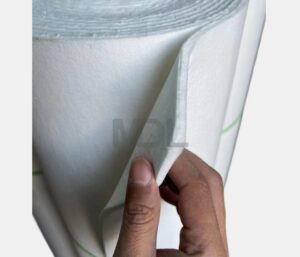
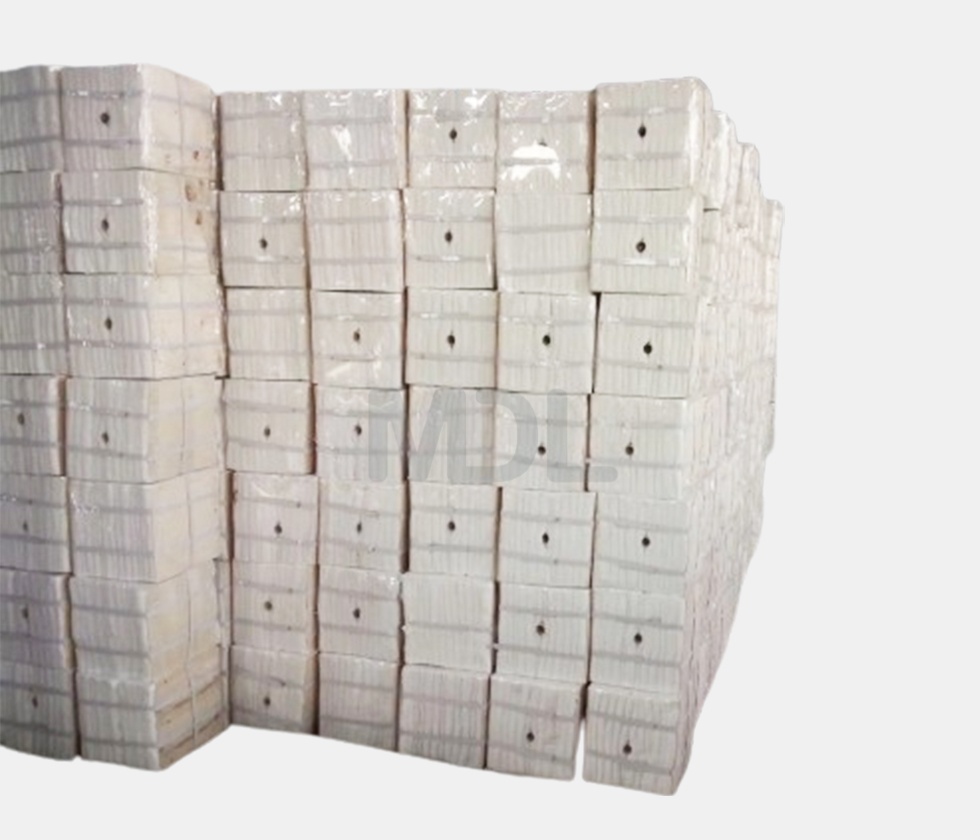
A polycrystalline fiber module is a high-temperature insulation product designed for selected industrial furnace and thermal processing applications. Manufactured from polycrystalline fiber materials, these modules provide a prefabricated insulation solution for furnace lining systems where the specified material grade must withstand demanding thermal conditions.
For furnace manufacturers, refractory contractors, industrial maintenance companies and insulation distributors, choosing the right polycrystalline fiber module supplier involves more than comparing prices. Material grade, operating temperature, module design, installation requirements and technical documentation all affect product selection.
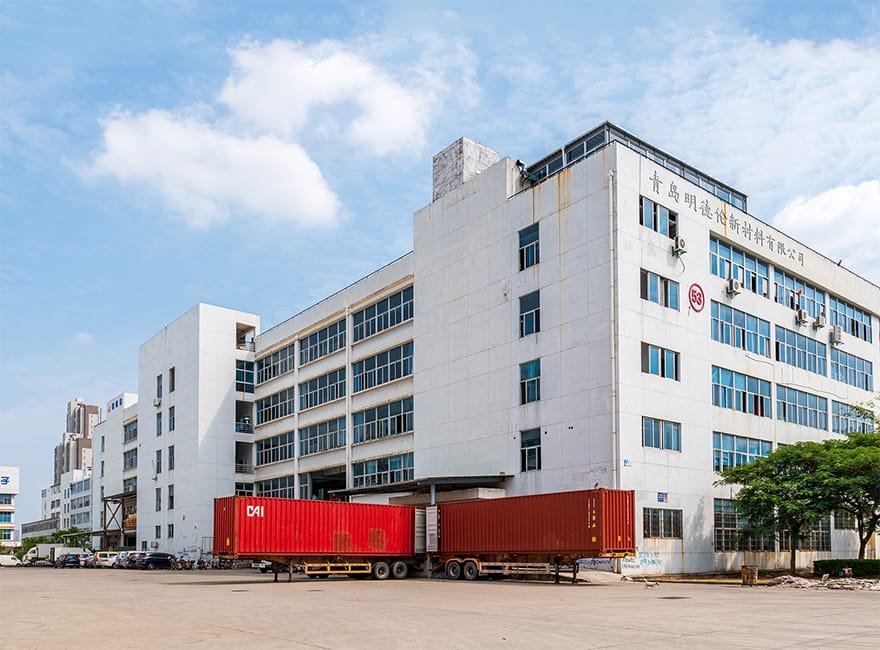
Mindelun supplies industrial thermal insulation materials for different applications. Buyers sourcing polycrystalline fiber modules should confirm product availability, technical specifications and project requirements before ordering.
What Is a Polycrystalline Fiber Module?
Polycrystalline fiber modules, also called PCW fiber modules or polycrystalline mullite fiber modules, are made from polycrystalline refractory fibers formed into module configurations for furnace lining applications.
Unlike conventional ceramic fiber modules, PCW modules use a different fiber material designed for demanding high-temperature service. However, performance varies by grade, manufacturing process and operating conditions. Product classification temperature should not be treated as the recommended continuous operating temperature.
When evaluating a polycrystalline fiber module for an industrial project, buyers should review the applicable technical data sheet and confirm that the material matches the intended service conditions.
Key Factors When Choosing a Polycrystalline Fiber Module Supplier
1. Temperature Rating and Service Conditions
The required insulation grade depends on the furnace’s normal operating temperature, maximum temperature, heating and cooling cycles, atmosphere and service life expectations.
A reliable polycrystalline fiber module supplier should provide product-specific technical information to help buyers assess suitability. Classification temperature alone is not sufficient to determine the recommended continuous operating limit.
2. Module Dimensions and Lining Design
Module dimensions, lining thickness, compression, installation direction and anchoring arrangements must be compatible with the furnace design.
For replacement projects, buyers should provide the existing lining dimensions and installation details. For new installations, furnace drawings and lining specifications can help establish the required module configuration.
3. Material Specifications and Quality Control
Before placing an order, request the technical data relevant to the selected product, such as:
- Fiber type and material composition
- Density and dimensional tolerances
- Classification temperature and recommended service conditions
- Linear shrinkage data at specified test conditions
- Installation recommendations and applicable quality documents
These details help engineering teams compare products on a consistent basis rather than relying on headline temperature ratings alone.
4. Customization and Project Support
For industrial furnace projects, standard module sizes may not meet every design requirement. A polycrystalline fiber module manufacturer or qualified supplier should review the requested dimensions, module arrangement and anchoring requirements before confirming customization.
Buyers should also confirm production lead time, order quantity, packaging and delivery arrangements during quotation.
Applications of Polycrystalline Fiber Modules
Depending on the material grade and furnace design, polycrystalline fiber modules may be considered for:
- High-temperature industrial furnaces: Selected furnace lining and thermal insulation systems.
- Heat-treatment furnaces: Insulation for suitable high-temperature processing equipment.
- Ceramic and advanced-material kilns: Furnace insulation selected according to firing conditions.
- Specialized thermal processing equipment: Custom insulation configurations for specific engineering requirements.
The correct material depends on actual operating conditions. Not every furnace requires polycrystalline fiber insulation; conventional ceramic fiber modules or other refractory insulation materials may be more suitable for some applications.
For additional information about furnace insulation systems, visit Mindelun’s Industrial Furnace Insulation page.
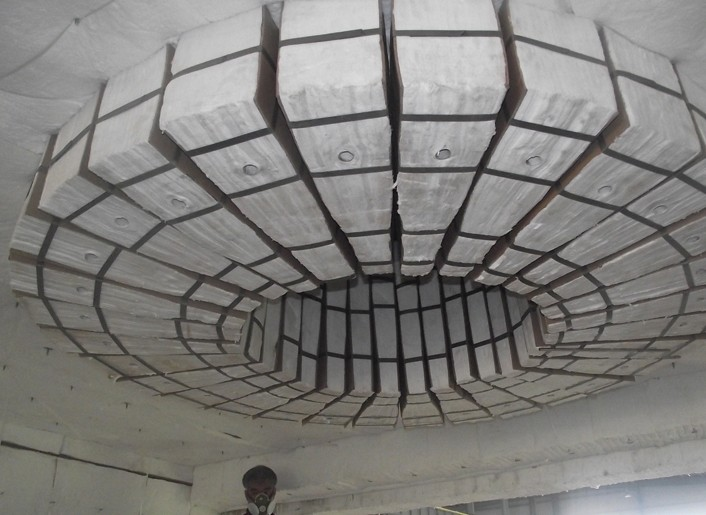
Polycrystalline Fiber Module vs. Ceramic Fiber Module
Polycrystalline fiber modules and conventional ceramic fiber modules are both used in industrial thermal insulation, but they differ in fiber composition and potential service-temperature range.
Polycrystalline fiber products are generally considered for demanding high-temperature applications, while conventional ceramic fiber modules are used in many industrial furnace and kiln systems across a range of operating conditions.
The choice should be based on the specific product’s technical data, operating temperature, atmosphere, thermal cycling and lining design—not simply the product name.
Explore Mindelun’s Ceramic Fiber Module page for conventional ceramic fiber module options, or review our Ceramic Fiber Board and Ceramic Thermal Insulation Blanket pages for other insulation formats.
How to Request a Quote for Polycrystalline Fiber Modules
To help a supplier evaluate your requirements and prepare a more accurate quotation, provide the following information:
- Application: Furnace type and industrial process.
- Temperature: Normal operating temperature, maximum temperature and operating cycle.
- Dimensions: Required module size, lining thickness and total coverage area.
- Installation: Module arrangement, fixing method and anchoring requirements.
- Quantity: Estimated order quantity and project schedule.
- Delivery: Destination, packaging requirements and requested shipping terms.
Drawings, existing product specifications and technical requirements are helpful when available. The supplier can then review the requested configuration and confirm product suitability, availability and quotation details.
Source Industrial Insulation Materials from Mindelun
Mindelun provides thermal insulation materials for industrial buyers, distributors, contractors and equipment manufacturers. Our product range includes ceramic fiber insulation products and other materials for industrial furnace and thermal processing applications.
For projects requiring polycrystalline fiber modules, contact Mindelun to discuss sourcing requirements, technical specifications and product availability. If another insulation material is more appropriate for your operating conditions, our team can also review suitable alternatives from our insulation range.
Contact Mindelun with your furnace temperature, lining dimensions, application details and required quantity to discuss your industrial insulation project.
Frequently Asked Questions
What is a polycrystalline fiber module used for?
A polycrystalline fiber module is used in selected high-temperature furnace lining and thermal processing insulation systems. Its suitability depends on the fiber grade, operating conditions and installation design.
What is a PCW fiber module?
PCW stands for polycrystalline wool. A PCW fiber module is a prefabricated insulation component made from polycrystalline refractory fibers for appropriate high-temperature applications.
What is the difference between polycrystalline and ceramic fiber modules?
They use different fiber materials and may have different service-temperature capabilities. The correct option depends on the product specifications and the actual furnace operating conditions.
Does a 1600°C classification temperature mean continuous operation at 1600°C?
No. Classification temperature is not necessarily the recommended continuous operating temperature. Always check the technical documentation for the specific product and application.
What information is needed to order custom polycrystalline fiber modules?
Provide the furnace application, operating temperature, module dimensions, lining thickness, installation and anchoring details, required quantity and delivery destination. Drawings and technical specifications can help the supplier assess feasibility.
How can I choose a reliable polycrystalline fiber module supplier?
Compare technical documentation, product consistency, quality control, customization capability, delivery arrangements and the supplier’s ability to confirm material suitability for your operating conditions.