Calcium Silicate Board Density: How to Choose the Right Grade
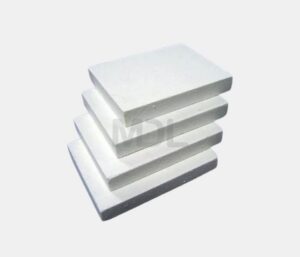
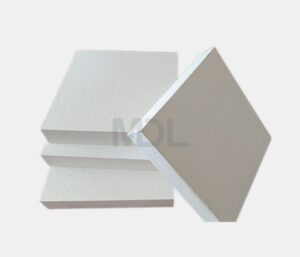
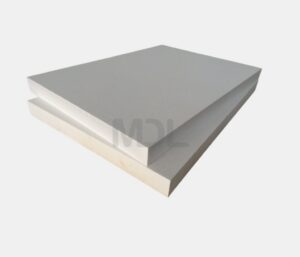
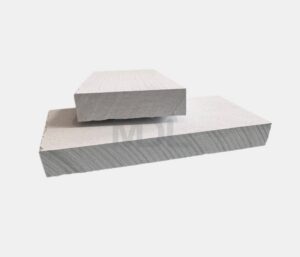
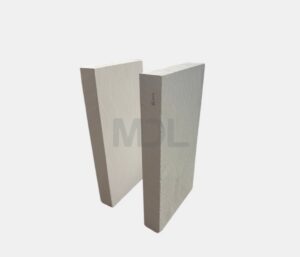
Calcium silicate board density is a key consideration when selecting insulation and fire-protection materials for industrial equipment and building applications. It affects board weight, mechanical strength and handling characteristics, while thermal performance also depends on product formulation and operating temperature.
For distributors, contractors and industrial buyers, understanding the differences between low, medium and high density calcium silicate board helps improve material selection and control project costs.
As a calcium silicate board supplier, MDLINSULATION supports B2B customers with insulation solutions, customized dimensions and product specifications tailored to project requirements.
What Is Calcium Silicate Board Density?
Calcium silicate board density refers to the mass of a board per unit volume, typically expressed in kg/m³. It is useful for comparing product grades and evaluating weight and mechanical requirements.
However, density alone cannot determine whether a board provides better thermal insulation or is suitable for a particular application. Buyers should also review thermal conductivity, compressive strength, service temperature, dimensional stability and installation conditions.
The density ranges below are general purchasing references. Actual product classifications vary by manufacturer, formulation and intended use.
Types of Calcium Silicate Board Density
1. Low-Density Calcium Silicate Board: 170–650 kg/m³
Low density calcium silicate board is generally considered when lightweight construction and thermal insulation are priorities. Depending on its formulation and temperature rating, it may be suitable for selected industrial insulation systems.
Typical applications:
- Industrial furnaces and kilns
- Boilers and process equipment
- Suitable backup insulation layers
- Thermal insulation systems where reducing installed weight is important
When choosing a low density calcium silicate board, check thermal conductivity at the relevant mean temperature, recommended service temperature, compressive strength and dimensional stability.
2. Medium-Density Calcium Silicate Board: 650–800 kg/m³
Medium density calcium silicate board can offer a balance between weight and mechanical performance. Depending on the product grade, it may be used in selected building systems and industrial applications.
Potential applications:
- Architectural partitions and wall systems
- General building applications
- Selected fire-protection assemblies
- Industrial projects requiring moderate mechanical strength
For fire-rated walls and partitions, verify the fire-resistance rating of the complete tested assembly. Board density alone does not establish a fire rating.
3. High-Density Calcium Silicate Board: 800–1,200 kg/m³
High density calcium silicate board is generally selected where higher mechanical strength, compressive strength or dimensional stability is required. Its suitability for high-temperature or specialized industrial service depends on the specific product formulation.
Potential applications:
- Industrial equipment requiring mechanically robust boards
- Selected structural fire-protection systems using appropriately tested products
- Applications requiring machining or improved handling strength
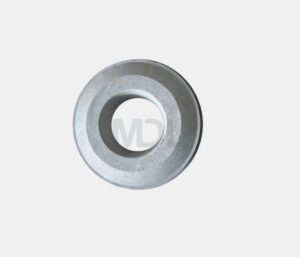
- Specialized aluminum processing equipment, where the board is specifically designed and qualified for the service conditions
Not every high density calcium silicate board is suitable for direct contact with molten metal. For aluminum transfer launders, casting spouts and similar equipment, confirm chemical compatibility, thermal-shock resistance and application suitability with the manufacturer.
Low-Density vs. Medium-Density vs. High-Density Calcium Silicate Board
| Property | Low Density | Medium Density | High Density |
|---|---|---|---|
| Reference density | 170–650 kg/m³ | 650–800 kg/m³ | 800–1,200 kg/m³ |
| Main consideration | Lightweight insulation | Balance of weight and strength | Mechanical strength and stability |
| Relative board weight | Generally lower | Intermediate | Generally higher |
| Potential applications | Furnaces, kilns and suitable backup insulation | Selected partitions and general building applications | Mechanically demanding and specialized applications |
| Key specifications | Conductivity and service temperature | Strength and application requirements | Compressive strength and product suitability |
These ranges are indicative, not universal industry standards. Always confirm the actual density and performance data for the selected product grade.
How to Choose the Right Calcium Silicate Board Density
Choosing the right calcium silicate board requires more than comparing density or price per sheet. Consider the following technical parameters before purchasing.
1. Bulk density
Confirm the nominal density and its tolerance in kg/m³. If density is a project requirement, request the manufacturer’s technical data sheet and relevant inspection information.
2. Thermal conductivity
Compare thermal conductivity values measured at comparable mean temperatures and under consistent test methods. A higher-density board does not automatically provide better or worse insulation.
3. Compressive strength
For equipment insulation, load-bearing applications or demanding installation conditions, check compressive strength and any other required mechanical properties.
4. Service temperature
Confirm the recommended continuous operating temperature and applicable limitations. A classification temperature should not automatically be treated as the continuous service temperature.
5. Thickness and dimensions
Specify the required thickness, length, width, tolerances and any cutting, drilling or machining requirements. Custom dimensions may help reduce on-site processing and material waste.
6. Reinforcement and composition
Reinforced calcium silicate board may be appropriate for applications requiring specific mechanical properties. Confirm the reinforcement type, technical performance and suitability for the intended environment.
Reinforced Calcium Silicate Board: What Buyers Should Know
Reinforced calcium silicate board is designed for applications where additional mechanical performance is required. Depending on its composition and reinforcement, it may offer improved handling strength or dimensional stability.
When sourcing reinforced calcium silicate board, buyers should confirm density, thickness, compressive strength, service temperature and reinforcement details. For specialized industrial uses, request application-specific technical information rather than selecting a product based on density alone.
For customized projects, provide the operating conditions and installation requirements so the supplier can assess the appropriate product specification.
How to Choose a Reliable Calcium Silicate Board Supplier
For wholesale orders and industrial projects, a reliable calcium silicate board supplier should offer more than a competitive quotation.
- Technical documentation: Clear specifications for density, thermal conductivity, strength and temperature limits.
- Suitable product grades: Options selected according to insulation, mechanical and installation requirements.
- Customized processing: Available dimensions, thicknesses and cut-to-size services, subject to production capability.
- Quality control: Defined inspection procedures and documentation for ordered products.
- OEM and ODM support: Custom specifications, packaging and private-label options where available.
- Export coordination: Clear information on packaging, minimum order quantity, lead time and shipping arrangements.
MDLINSULATION serves B2B buyers seeking thermal insulation materials for industrial and construction applications. Explore our Ceramic Fiber Blanket and Industrial Furnace Insulation pages for related insulation solutions, or contact us to discuss your project requirements.
Frequently Asked Questions
What is the standard density of calcium silicate board?
There is no single density range that applies to every calcium silicate board. Available grades vary by manufacturer and application. The ranges in this guide are reference categories; verify the exact specification with the supplier.
Is high density calcium silicate board better than low density board?
Not necessarily. High density grades are often selected for mechanical strength, while low density grades may be preferred when lightweight insulation is important. The right choice depends on the application and required performance.
Does higher density mean better thermal insulation?
No. Thermal conductivity depends on formulation, pore structure and test temperature, among other factors. Compare technical data measured under comparable conditions instead of using density as the sole indicator.
What is reinforced calcium silicate board used for?
It is used in applications requiring the mechanical properties provided by its particular formulation and reinforcement. Confirm product specifications and suitability for the intended operating conditions.
What information is needed for a calcium silicate board quotation?
Provide the required density or grade, thickness, dimensions, application, operating temperature, order quantity and destination country. If the required density is unknown, share the project conditions so the supplier can help identify suitable options.
Request a Calcium Silicate Board Quote
Looking for a calcium silicate board supplier for your next project? Contact MDLINSULATION with your required dimensions, density, operating temperature and order quantity.
Our team can discuss available product grades, customized specifications and OEM/ODM options according to your business requirements.