How to Choose the Right Polycrystalline Mullite Fiber Board for High-Temperature Furnaces?
Choosing the right insulation material is essential for improving thermal efficiency, reducing heat loss, and maintaining stable furnace operation. Polycrystalline mullite fiber board is a specialized high-temperature insulation material designed for demanding industrial applications where conventional ceramic fiber products may not provide sufficient thermal stability.
For furnace manufacturers, refractory contractors, and industrial insulation distributors, understanding temperature ratings, thermal conductivity, dimensional stability, and customization options is essential when selecting the right product.
What Is Polycrystalline Mullite Fiber Board?
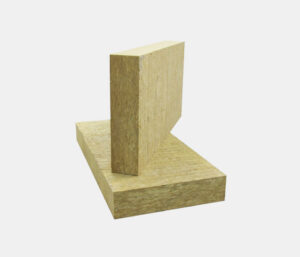
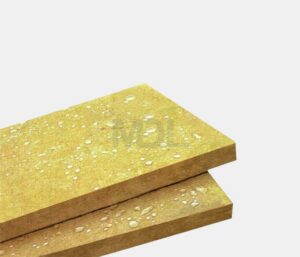
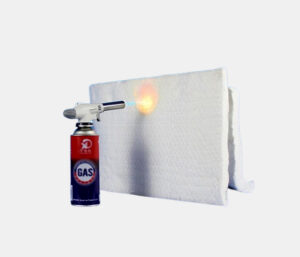
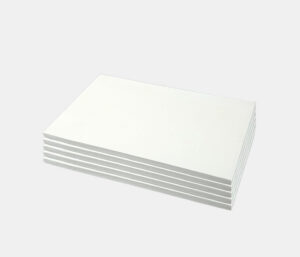
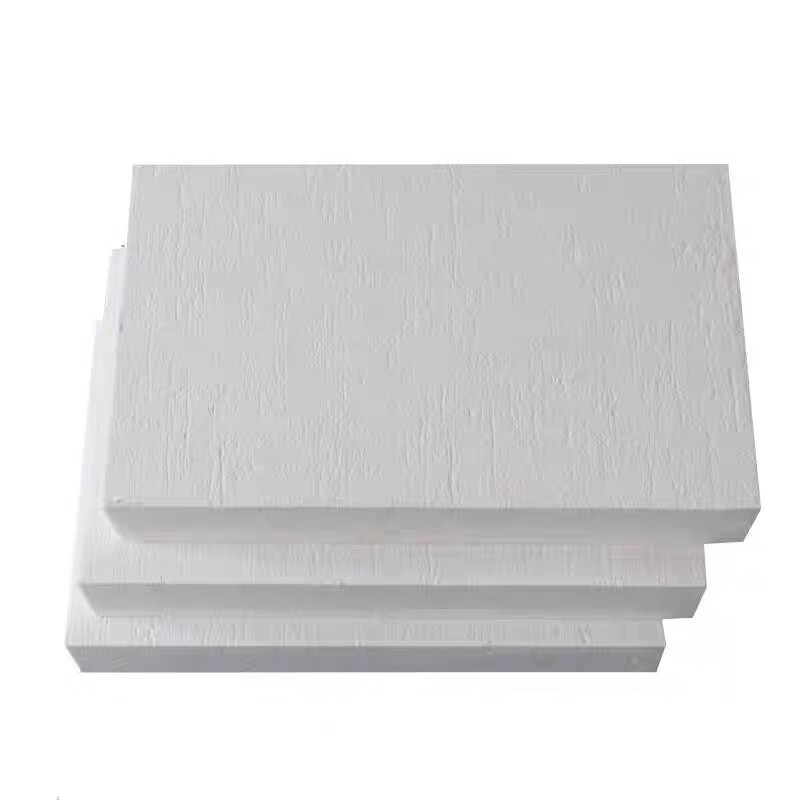
Polycrystalline mullite fiber board is a rigid insulation material made primarily from polycrystalline mullite fibers. Its crystalline fiber structure provides excellent high-temperature stability and makes it suitable for selected ultra-high-temperature applications.
Compared with conventional ceramic fiber boards, polycrystalline mullite boards are designed for more demanding thermal conditions, depending on the product grade and operating environment.
Key properties include:
- High-temperature stability: Suitable for selected high-temperature furnace applications.
- Low thermal conductivity: Helps reduce heat transfer and improve insulation efficiency.
- Dimensional stability: Helps minimize shrinkage under specified operating conditions.
- Thermal shock resistance: Supports performance during heating and cooling cycles.
- Rigid structure: Allows precision cutting and customized dimensions for furnace linings.
Actual performance depends on fiber composition, manufacturing quality, density, and operating conditions. Product-specific technical data should always be checked before selection.
Where Are Polycrystalline Mullite Boards Used?
Polycrystalline mullite boards are suitable for selected industrial processes that require reliable insulation at elevated temperatures.
1. Industrial Furnaces and Heat Treatment Equipment
These boards can be used in designated furnace lining and insulation layers to help reduce heat loss and maintain stable thermal conditions.
2. Ceramic Kilns and Sintering Equipment
Ceramic firing, powder sintering, and advanced material processing often require insulation with good dimensional stability during prolonged heating cycles.
3. Metallurgical and Specialized Thermal Equipment
Depending on the grade and installation design, polycrystalline mullite fiber rigid board can be considered for selected high-temperature processing equipment where thermal stability and precise fabrication are important.
For other industrial insulation requirements, explore our industrial furnace insulation solutions and ceramic fiber board products.
How to Select the Right Polycrystalline Mullite Fiber Rigid Board
Selecting a suitable board requires more than comparing maximum temperature ratings. The following factors should be evaluated together.
1. Temperature Rating
Check both the classification temperature and the recommended continuous service temperature. These values are not interchangeable.
Actual service limits depend on the temperature profile, exposure duration, furnace atmosphere, and installation conditions. Direct flame exposure and corrosive gases may also affect product suitability.
2. Density and Mechanical Strength
Density influences thermal performance, rigidity, and handling characteristics. The appropriate grade should match the installation method, structural requirements, and potential mechanical loads.
3. Thickness and Custom Dimensions
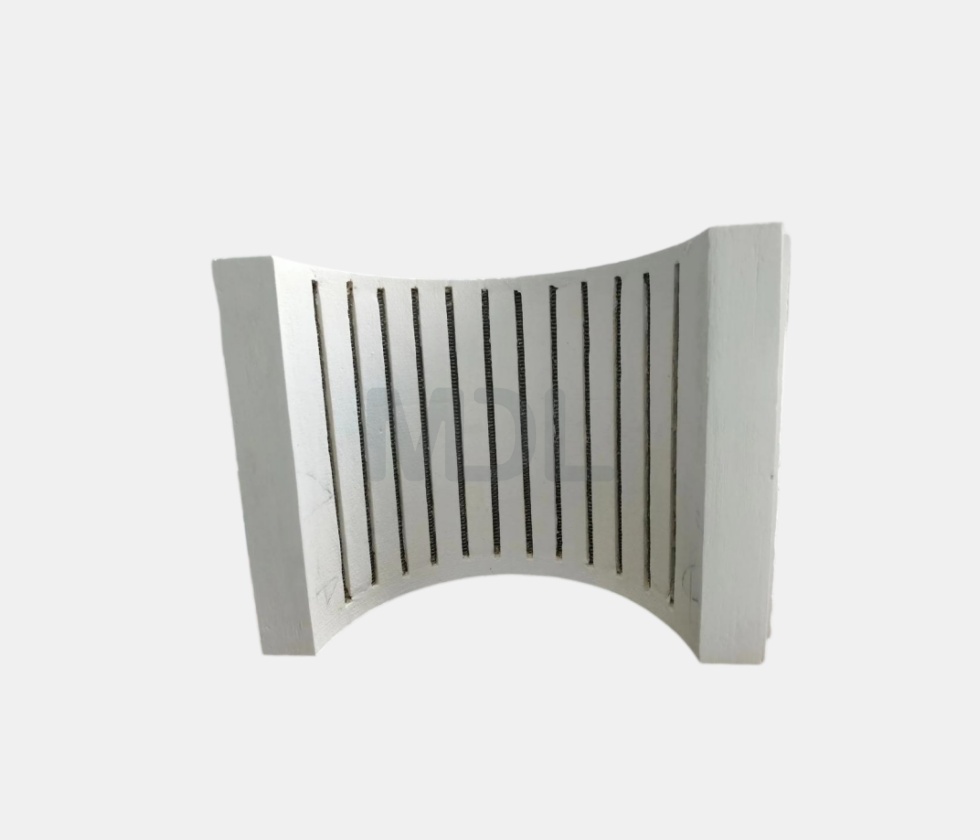
Board thickness affects insulation performance and available installation space. Custom lengths, widths, thicknesses, and machined shapes can help meet specific furnace design requirements and reduce on-site cutting.
When requesting a quotation, provide drawings or detailed dimensions whenever possible.
4. Thermal Conductivity and Shrinkage
Compare thermal conductivity at relevant mean temperatures rather than relying solely on room-temperature values. Permanent linear change data should also be reviewed at the specified test temperature and duration.
These parameters help engineers evaluate insulation efficiency and dimensional stability during prolonged operation.
5. Operating Atmosphere
Chemical vapors, corrosive gases, airflow, and mechanical impact can influence service life. Confirm compatibility with the actual working environment, particularly when the board will be installed near the hot face.
How to Choose a Reliable Polycrystalline Mullite Fiber Board Supplier
For international B2B buyers, choosing a suitable polycrystalline mullite fiber board supplier involves evaluating technical support, product consistency, customization, and delivery arrangements.
Before placing an order, confirm the following:
- Available grades and recommended continuous service temperatures.
- Density, thermal conductivity, and permanent linear change data.
- Standard sizes and customized machining capabilities.
- Quality inspection procedures and technical documentation.
- Sample availability, minimum order quantity, and production lead time.
- Export packaging and shipping arrangements.
For distributors, furnace manufacturers, and refractory contractors, matching the insulation material to the actual application can help reduce material waste, installation issues, and unnecessary procurement costs.
At MDL, we provide thermal insulation solutions for industrial applications. Contact our team to discuss your project requirements, confirm suitable product specifications, and explore customized supply options.
Frequently Asked Questions
What is the difference between polycrystalline mullite fiber board and conventional ceramic fiber board?
Polycrystalline mullite fiber board is designed for more demanding high-temperature applications, while conventional ceramic fiber board serves a broad range of industrial insulation requirements at lower temperature ratings. The appropriate choice depends on service temperature, atmosphere, dimensional stability, and installation conditions.
What temperature can polycrystalline mullite boards withstand?
Temperature ratings vary by product grade. Some specialized products are classified for temperatures of 1600°C or higher, but the actual continuous service temperature may be lower. Always confirm the manufacturer’s technical specifications before use.
Can polycrystalline mullite fiber rigid board be customized?
Customized thicknesses, dimensions, and machined shapes may be available depending on the manufacturer’s production capabilities. Buyers should provide drawings, dimensional tolerances, and quantity requirements when requesting a quotation.
What information is needed to request a quotation?
Prepare the required dimensions, quantity, operating temperature, application, installation conditions, and any available technical specifications. This information helps the supplier recommend a suitable product and provide a more accurate quotation.
Conclusion
Polycrystalline mullite fiber board offers a specialized insulation solution for selected ultra-high-temperature industrial applications. Careful evaluation of temperature ratings, density, thermal conductivity, shrinkage, and operating atmosphere helps ensure the material meets the requirements of the intended equipment.
If you are sourcing high-temperature insulation for industrial furnaces, ceramic kilns, or specialized thermal processing equipment, contact MDL to discuss your requirements and identify suitable insulation solutions.