How to Choose the Right Ceramic Fiber Cloth for Your Furnace
Choosing the right ceramic fiber cloth is important for high-temperature furnace insulation, thermal protection and industrial equipment maintenance. The correct fabric depends on furnace operating temperature, reinforcement material, thickness, mechanical requirements and installation conditions.
For furnace manufacturers, refractory contractors, insulation distributors and industrial buyers, understanding these factors helps reduce specification mismatches and improve purchasing decisions. This guide explains how to select ceramic fiber cloth for furnace insulation, compare common product specifications and evaluate a reliable ceramic fiber cloth supplier.
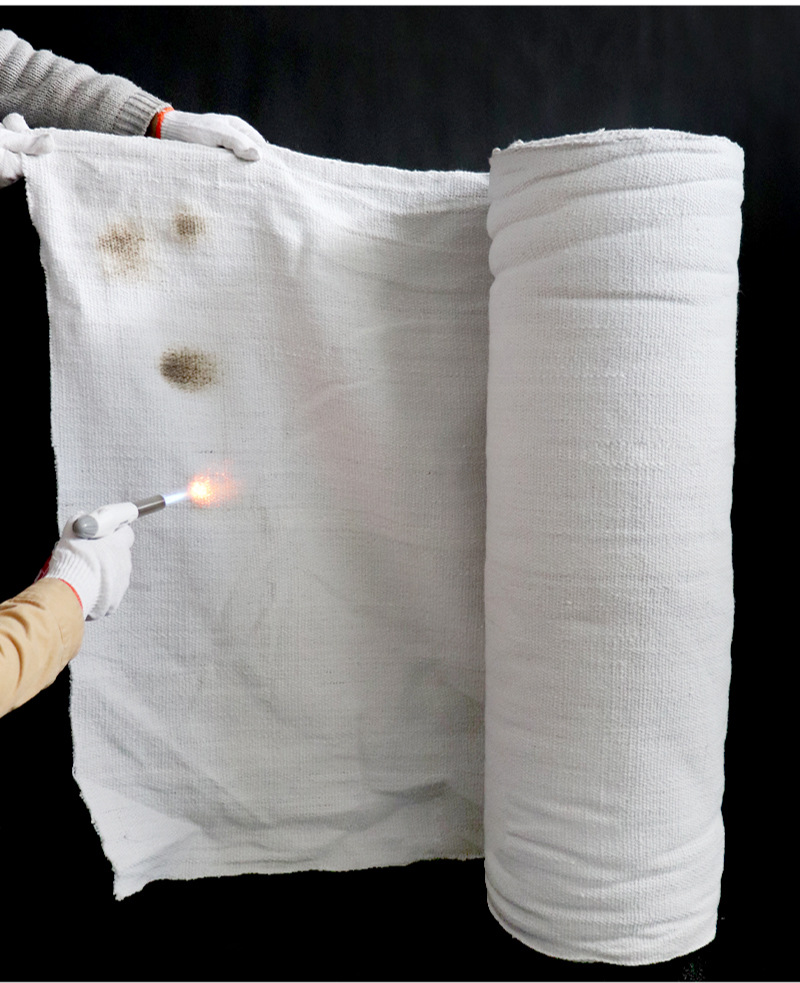
1. What Is Ceramic Fiber Cloth?
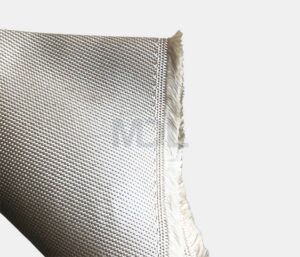
Ceramic fiber cloth is a woven high-temperature textile made from ceramic fiber yarn. Depending on the product construction, it may incorporate glass filament or stainless steel wire reinforcement to improve handling and mechanical strength.
Unlike rigid refractory insulation products, ceramic fiber cloth is flexible and can be cut, wrapped or fabricated into selected thermal barriers, protective covers and insulation components.
Common applications of high-temperature ceramic fiber fabric include:
- Industrial furnace and kiln thermal protection
- Furnace door and access panel insulation assemblies
- High-temperature equipment covers
- Thermal barriers for selected pipes and ducts
- Removable insulation covers and fabricated textile components
- Selected industrial sealing and protection applications
The appropriate product depends on the actual operating environment and the technical limits of the complete fabric.
2. How to Select the Right Ceramic Fiber Cloth Temperature Rating
The ceramic fiber cloth temperature rating is one of the most important specifications to review before purchasing.
Ceramic fiber cloth is available in different temperature classifications depending on fiber composition and construction. However, the classification temperature does not necessarily represent the recommended continuous operating temperature of the finished fabric.
Reinforcement materials, organic components, furnace atmosphere and exposure duration can affect actual service suitability.
Before selecting ceramic fiber cloth for furnace insulation, confirm:
- Normal furnace operating temperature
- Maximum temperature and exposure duration
- Continuous or intermittent heating conditions
- Oxidizing or reducing atmosphere
- Potential chemical exposure and mechanical wear
- Manufacturer’s recommended service temperature
For applications involving sustained high temperatures, request the technical data sheet for the specific ceramic fiber cloth grade and reinforcement type.
3. Glass Fiber vs. Stainless Steel Reinforced Ceramic Fiber Cloth
The reinforcement material influences the mechanical properties and temperature limitations of ceramic fiber fabric.
Glass Fiber Reinforced Ceramic Fiber Cloth
Glass filament reinforcement can support textile handling and fabrication. This construction may be suitable when its temperature limitations and mechanical properties meet the intended application requirements.
However, glass reinforcement can limit the service temperature of the complete fabric. Buyers should verify its suitability for the actual furnace temperature rather than selecting it by the ceramic fiber classification alone.
Stainless Steel Reinforced Ceramic Fiber Cloth
Stainless steel wire reinforced ceramic fiber cloth can provide additional mechanical strength and may be appropriate for certain demanding industrial applications.
Its temperature suitability depends on the wire grade, fabric construction, atmosphere and duration of exposure. Stainless steel reinforcement does not automatically make a product suitable for every high-temperature furnace.
When comparing reinforced ceramic fiber cloth suppliers, specify the required reinforcement type and ask for confirmation of the recommended operating conditions.
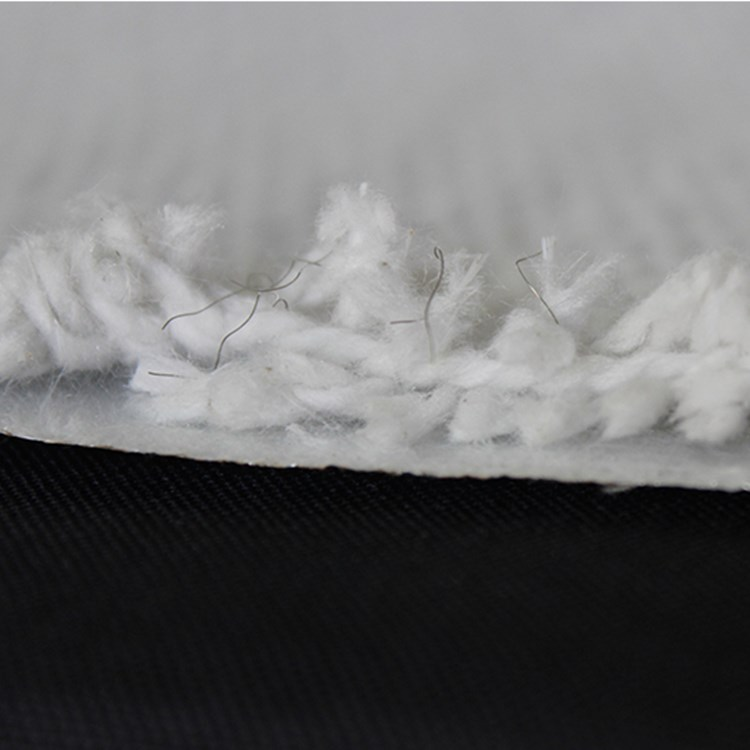
4. How to Choose Ceramic Fiber Cloth Thickness and Width
Selecting the correct ceramic fiber cloth thickness and width helps ensure that the material can be fabricated and installed as intended.
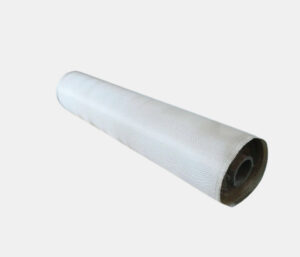
Mindelun lists ceramic fiber cloth options in 2 mm, 3 mm, 4 mm and 5 mm thicknesses, with a listed width of 1000 mm. Available roll lengths and specification combinations should be confirmed for the selected product grade.
Consider the following factors when specifying dimensions:
- Thermal protection: Determine the required insulation performance and available installation space.
- Flexibility: Confirm that the fabric can accommodate the intended wrapping or fabrication method.
- Mechanical requirements: Consider handling, abrasion and repeated movement.
- Fabrication: Specify the finished width, roll length and cutting requirements.
- Installation design: Confirm whether the fabric will be used alone or as part of a larger insulation assembly.
Thickness alone does not determine insulation performance. Compare the complete product specifications and verify the material’s suitability for the intended operating conditions.
View our ceramic fiber cloth products for product details and available specifications.
5. Ceramic Fiber Cloth Applications in Industrial Furnaces
Ceramic Fiber Cloth for Furnace Doors
Ceramic fiber cloth may be incorporated into selected furnace door insulation assemblies, protective covers and thermal barriers. The design should account for opening frequency, abrasion, mechanical handling and temperature exposure.
Ceramic Fiber Cloth for Furnace Maintenance
For maintenance contractors, flexible ceramic fiber fabric can be useful when fabricating or replacing selected thermal protection components. The required reinforcement and dimensions should match the installation conditions.
Ceramic Fiber Cloth for High-Temperature Equipment Covers
Ceramic fiber cloth can be fabricated into removable covers for suitable equipment and components. Additional outer protection may be required where the fabric is exposed to abrasion, impact or environmental conditions.
Ceramic Fiber Cloth for Thermal Barriers
In suitable applications, ceramic fiber cloth can serve as a flexible thermal barrier around selected furnace-related components. Confirm the complete assembly’s temperature suitability and performance requirements before installation.
Ceramic Fiber Fabric for Pipes and Ducts
Flexible ceramic fiber fabric may be used in selected equipment protection and insulation assemblies associated with hot pipes and ducts. The final design should consider the operating temperature, mechanical protection and exposure environment.
For broader project requirements, explore our industrial furnace insulation solutions.
6. Ceramic Fiber Cloth vs. Ceramic Fiber Blanket, Board and Rope
Ceramic fiber cloth is not interchangeable with every other ceramic fiber insulation product. Each format serves different installation requirements.
| Product | Typical Use |
|---|---|
| Ceramic fiber cloth | Flexible thermal barriers, covers and fabricated textile components |
| Ceramic fiber blanket | Flexible furnace linings and layered insulation |
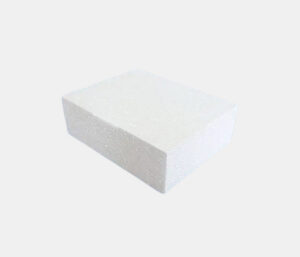
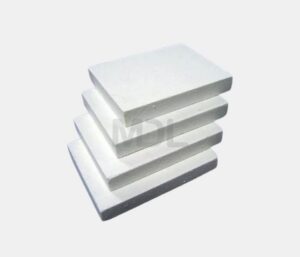
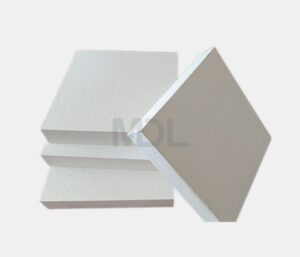
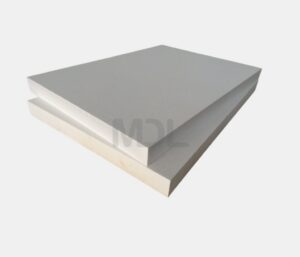
| Ceramic fiber board | Rigid insulation components and flat surfaces |
| Ceramic fiber rope | Selected gaps, joints and sealing arrangements |
The correct product depends on equipment geometry, mechanical requirements, installation method and operating temperature.
Explore our ceramic fiber blanket for flexible bulk insulation, or our ceramic fiber board for rigid insulation applications.
7. How to Evaluate a Ceramic Fiber Cloth Manufacturer or Supplier
When sourcing ceramic fiber cloth for industrial furnaces, buyers should evaluate technical suitability as well as price, documentation and delivery requirements.
A reliable ceramic fiber cloth manufacturer or wholesale supplier should be able to clarify:
- Fiber and reinforcement construction
- Temperature classification and recommended service temperature
- Available thickness, width and roll length
- Technical data sheets and applicable safety documentation
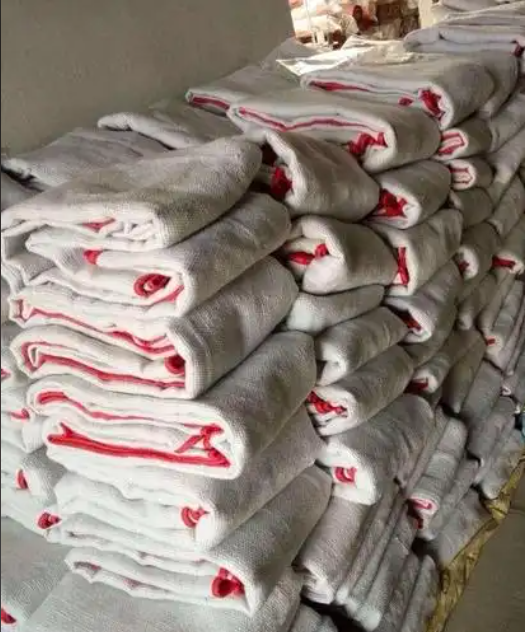
- Packaging requirements for storage and transportation
- Custom specifications, subject to production capability
- Order quantity, lead time and shipping terms
For bulk ceramic fiber cloth purchasing, compare quotations based on equivalent product construction and specifications. A lower price may reflect differences in reinforcement, dimensions, grade or commercial terms.
Providing a complete technical specification helps reduce misunderstandings and supports more accurate quotations.
8. What Information Should You Provide When Requesting a Quotation?
To obtain a suitable quotation from a ceramic fiber cloth supplier, prepare the following information:
- Required temperature classification and actual operating temperature
- Preferred reinforcement material
- Required thickness and width
- Roll length or finished component dimensions
- Application and installation conditions
- Order quantity and packaging requirements
- Destination port and preferred shipping terms
For customized ceramic fiber fabric, provide drawings or photographs when possible. This helps the supplier understand the intended use and determine whether the requested construction is available.
Frequently Asked Questions About Ceramic Fiber Cloth
What is ceramic fiber cloth used for?
Ceramic fiber cloth is used in selected high-temperature thermal protection, insulation covers, thermal barriers and fabricated industrial textile components. Application suitability depends on the product construction and operating environment.
What temperature can ceramic fiber cloth withstand?
The suitable service temperature varies with fiber composition, reinforcement material and exposure conditions. Classification temperature should not be treated as a guaranteed continuous operating temperature.
Is stainless steel reinforced ceramic fiber cloth suitable for high-temperature furnaces?
It may be suitable for certain applications requiring additional mechanical strength. The correct grade must be evaluated against the actual temperature, atmosphere and exposure duration.
What thicknesses are available for ceramic fiber cloth?
Mindelun lists 2 mm, 3 mm, 4 mm and 5 mm options. Confirm the available dimensions and reinforcement combinations for your required product.
Can I buy ceramic fiber cloth in bulk?
Bulk supply may be available depending on product specifications, order quantity and production requirements. Provide your required dimensions and quantity when requesting a quotation.
How do I choose a ceramic fiber cloth supplier?
Compare the product construction, temperature suitability, technical documentation, dimensions, packaging and delivery terms. Ensure that all quotations refer to equivalent specifications.
What is the difference between ceramic fiber cloth and ceramic fiber blanket?
Ceramic fiber cloth is a woven textile for selected thermal barriers, covers and fabricated components. Ceramic fiber blanket is a flexible bulk insulation material commonly used in furnace linings and layered insulation systems.
Request a Ceramic Fiber Cloth Quotation from Mindelun
Looking for a ceramic fiber cloth supplier for furnace insulation or a wholesale source for industrial thermal protection materials?
Mindelun supplies ceramic fiber insulation products for furnace manufacturers, refractory contractors, industrial users and distributors. Share your required temperature grade, reinforcement type, dimensions and order quantity to discuss suitable product options.
Contact Mindelun to request a ceramic fiber cloth quotation for your industrial furnace project.