How to Choose Ceramic Fiber Paper for High-Temperature Insulation and Gaskets?
Ceramic fiber paper is a lightweight, flexible insulation material used in industrial furnaces, kilns, thermal equipment, and selected high-temperature sealing applications. Its low thermal conductivity, low heat storage, and uniform thickness make it suitable for applications requiring thin insulation layers or flexible refractory components.
For industrial buyers, choosing the right ceramic fiber paper involves more than comparing temperature ratings. Fiber grade, thickness, binder content, operating conditions, and fabrication requirements all influence product performance.
Whether you are sourcing high temperature paper for furnace insulation or ceramic gasket paper for industrial equipment, understanding these factors helps you select a suitable material and control procurement costs.
What Is Ceramic Fiber Paper?
Ceramic fiber paper is typically manufactured from refractory fibers, commonly alumina-silica based, using a papermaking process. It is available in different grades and thicknesses to meet various thermal insulation requirements.
Compared with rigid insulation boards, ceramic fiber paper is thinner, more flexible, and easier to cut into strips, washers, and custom shapes.
Key advantages include:
- High-temperature resistance: Suitable for applications within the specified temperature limits of the selected grade.
- Low thermal conductivity: Helps reduce heat transfer through thin insulation layers.
- Low heat storage: Supports efficient heating and cooling in suitable processes.
- Flexible fabrication: Can be cut into strips, sheets, and selected gasket shapes.
- Uniform thickness: Helps provide consistent insulation when properly installed.
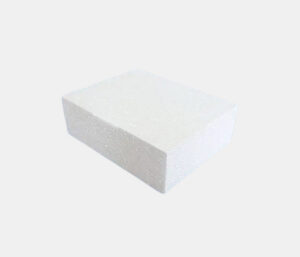
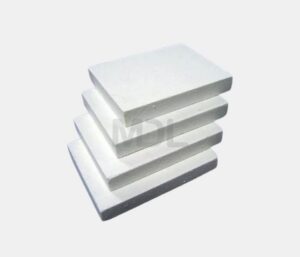
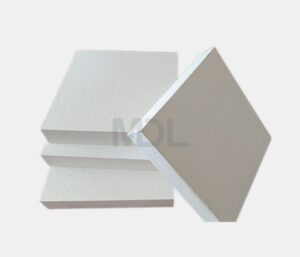
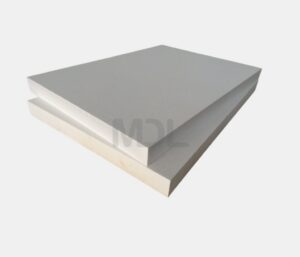
For related products, explore our ceramic fiber paper and ceramic fiber board solutions.
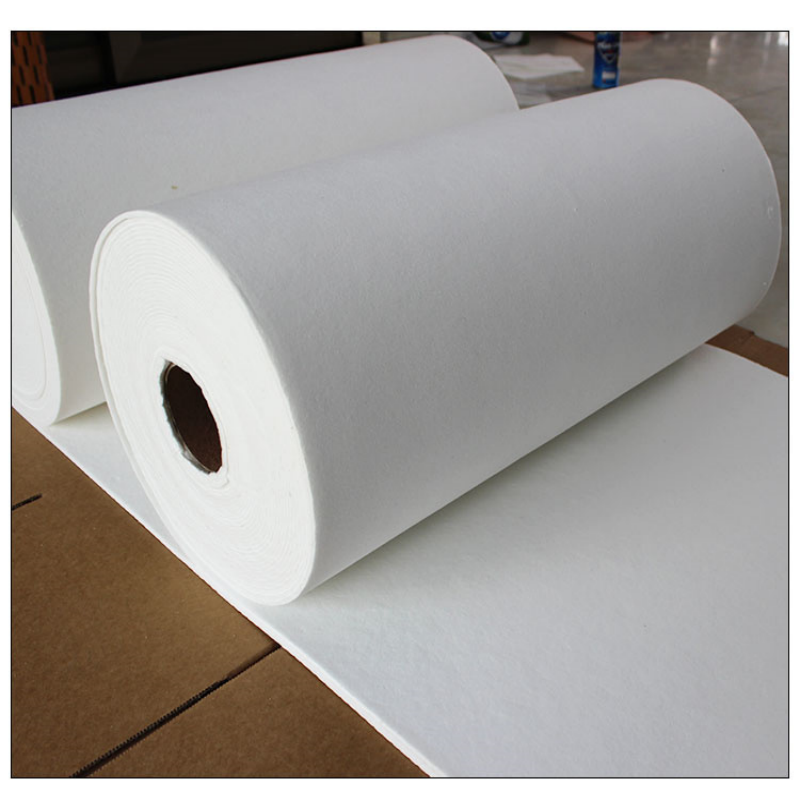
What Are the Main Applications of Ceramic Fiber Paper?
1. Industrial Furnace and Kiln Insulation
Ceramic fiber paper can serve as a thin insulation layer, joint filler, or backing material in selected furnace and kiln applications. Its flexibility makes it useful around furnace doors, inspection openings, expansion joints, and other areas where rigid insulation is difficult to install.
2. Ceramic Gasket Paper for High-Temperature Sealing
Ceramic gasket paper is used to fabricate thermal seals and gaskets for suitable high-temperature equipment. Depending on the grade and design, it can help reduce heat leakage and accommodate minor surface irregularities.
Typical applications include furnace door seals, inspection covers, and selected thermal equipment joints.
For pressure-containing or gas-tight connections, the gasket must be evaluated for pressure, media compatibility, compression, and leakage requirements. Standard ceramic fiber paper should not automatically be considered a replacement for a qualified industrial sealing gasket.
3. Ceramic Fiber Paper Gasket Sheet and Custom Components
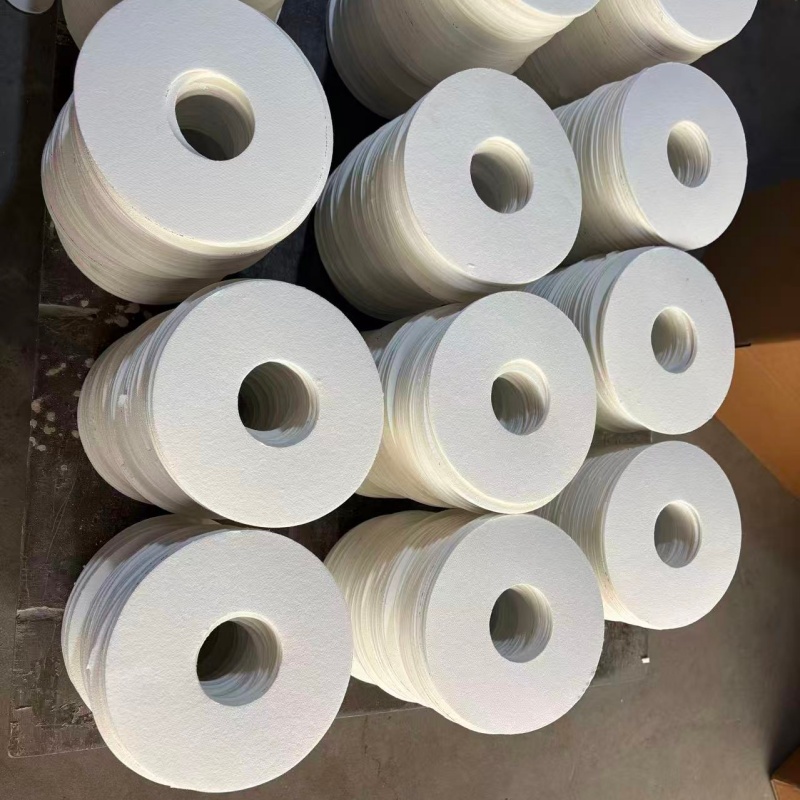
A ceramic fiber paper gasket sheet can be cut or die-cut into shapes required for industrial assembly. Depending on the supplier’s processing capabilities, custom components may include rings, strips, washers, and irregular profiles.
When requesting a ceramic fiber gasket sheet, provide the drawing, thickness, dimensions, tolerances, operating temperature, and expected compression conditions.
4. Thermal Barriers and Separation Layers
High temperature paper can also be used as a thin thermal barrier or separation layer in selected metalworking, casting, and thermal processing applications.
Material selection should account for the operating atmosphere, direct contact conditions, binder system, and exposure duration.
How to Choose the Right Ceramic Fiber Paper
1. Check the Temperature Rating
Confirm both the classification temperature and the recommended continuous service temperature. These values are not interchangeable.
Actual performance depends on exposure time, temperature fluctuations, furnace atmosphere, and installation conditions. Do not select a product based solely on its maximum advertised temperature.
2. Select the Correct Thickness
Common ceramic fiber paper thicknesses may include 1 mm, 2 mm, 3 mm, and 5 mm, depending on the product range.
Thinner grades can suit compact gaps and thin thermal barriers, while thicker grades may be appropriate where more insulation thickness is required. For gasket applications, consider the available space, compression, and sealing design.
Confirm available thicknesses, widths, roll lengths, and custom dimensions before ordering.
3. Evaluate Binder Content
Some ceramic fiber papers contain organic binders to improve handling strength. These binders may burn out during initial heating, potentially generating temporary smoke or fumes.
For applications requiring reduced organic content, a binderless or low-organic-content grade may be suitable. Confirm the binder specification and first-heating requirements with the manufacturer.
4. Consider Mechanical and Environmental Conditions
Density, tensile strength, flexibility, and surface uniformity affect handling and installation. Chemical exposure, moisture, direct flame, airflow, and abrasion may also influence service life.
For gasket applications, evaluate compressibility, recovery, joint geometry, and the required sealing performance rather than relying on thermal resistance alone.
How to Choose a Reliable Ceramic Fiber Paper Supplier
When comparing a ceramic fiber paper supplier, ceramic fiber paper factory, or ceramic fiber paper manufacturer, buyers should assess product consistency, technical support, customization, and delivery arrangements.
Before placing an order, confirm:
- Available grades and recommended service temperatures.
- Thickness, width, roll length, and sheet dimensions.
- Thermal conductivity and permanent linear change data, where applicable.
- Binder content and relevant technical documentation.
- Custom cutting, die-cutting, and OEM options, where available.
- Quality inspection, production lead time, and export packaging.
For distributors, industrial equipment manufacturers, and refractory contractors, accurate specifications and suitable customization can help reduce material waste and simplify installation.
Contact MDL with your required dimensions, quantity, operating temperature, and application details to discuss suitable ceramic fiber paper options and quotation requirements.
Frequently Asked Questions
What is the difference between ceramic fiber paper and ceramic gasket paper?
Ceramic fiber paper is the base insulation material. Ceramic gasket paper generally refers to paper selected and fabricated for a particular sealing application. The finished gasket must meet the required temperature, compression, compatibility, and sealing conditions.
Can ceramic fiber paper be used as a high-temperature gasket sheet?
Selected grades can be fabricated into gasket sheets for suitable high-temperature applications. However, pressure, chemical compatibility, compression, and leakage requirements must be assessed before use.
What thicknesses are available?
Available thicknesses depend on the grade and manufacturer. Options may include 1 mm, 2 mm, 3 mm, and 5 mm. Confirm the current product range and customization options before ordering.
How do I choose a ceramic fiber paper manufacturer?
Compare technical specifications, quality control, available grades, customization capabilities, documentation, and delivery arrangements. Providing the intended application and operating conditions helps the supplier assess suitability.
Can ceramic fiber paper be customized into gasket shapes?
Custom cutting and die-cutting may be available depending on the manufacturer’s capabilities. Provide drawings, dimensions, tolerances, thickness, and quantity when requesting a quotation.
Conclusion
Ceramic fiber paper is a versatile material for thin thermal insulation, furnace joint filling, and selected high-temperature gasket applications. The right choice depends on temperature limits, thickness, binder content, mechanical requirements, and operating conditions.
If you are sourcing ceramic fiber paper for industrial insulation or customized gasket applications, contact MDL to discuss your specifications and explore suitable material options.