Ceramic Fiber Rope: Types, Benefits and Industrial Uses
Ceramic fiber rope is a flexible refractory insulation material used for high-temperature sealing, thermal insulation, and industrial equipment maintenance. It is commonly applied in industrial furnaces, ceramic kilns, boilers, and heat-treatment systems where flexible sealing and reduced heat loss are required.
For insulation distributors, industrial contractors, and equipment manufacturers, choosing the right ceramic fiber rope helps improve sealing performance and simplify installation. Understanding its benefits, construction types, and operating conditions is essential when sourcing high temperature ceramic fiber rope for industrial applications.
1. Key Benefits of Ceramic Fiber Rope
High-Temperature Resistance
Refractory ceramic fiber rope is designed for demanding thermal environments. Depending on the fiber grade, construction, and reinforcement, different products are suitable for different temperature ranges.
Some ceramic fiber materials have classification temperatures up to 1260°C. However, classification temperature is not the same as continuous operating temperature. Buyers should confirm the recommended service temperature of the finished rope, especially when selecting reinforced ceramic fiber rope for industrial furnaces.
Thermal Insulation and Reduced Heat Loss
Ceramic fiber rope provides a flexible insulating barrier around suitable openings, joints, and equipment connections. When correctly selected and installed, it can help reduce heat leakage around furnace doors, inspection ports, and other sealing points.
For industrial operators, effective sealing can support more stable operating conditions and improve overall thermal efficiency.
Flexibility and Easy Installation
Unlike rigid refractory components, ceramic fiber rope can conform to suitable gaps and sealing channels. This flexibility makes it useful for furnace door seals, kiln sealing applications, and selected high-temperature packing requirements.
The appropriate rope diameter and compression characteristics should be matched to the equipment design to achieve reliable sealing.
Reinforcement Options
Ceramic fiber rope may be supplied with fiberglass filament or stainless steel wire reinforcement, depending on the product design.
Fiberglass reinforcement is suitable only within its specified temperature range. Stainless steel reinforcement may provide additional mechanical support for certain high-temperature applications. The maximum service temperature of the complete rope assembly must be verified with the manufacturer.
2. Common Types of Ceramic Fiber Rope
Selecting the correct construction helps match the sealing material to the application.
Twisted Ceramic Fiber Rope
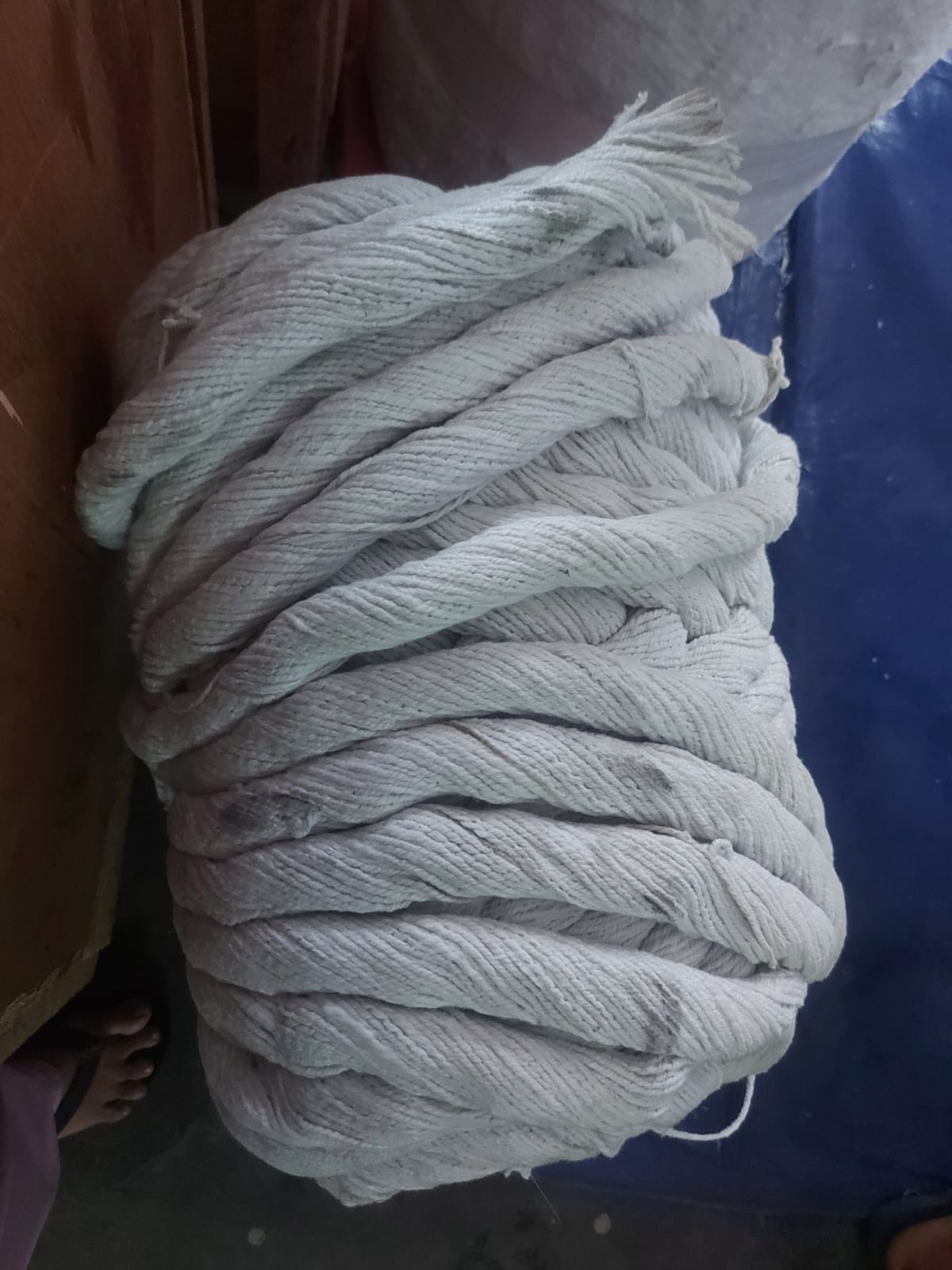
Twisted ceramic fiber rope is manufactured by twisting ceramic fiber yarns together. It is used for general high-temperature insulation, packing, and suitable sealing applications where a flexible rope structure is required.
Round Braided Ceramic Fiber Rope
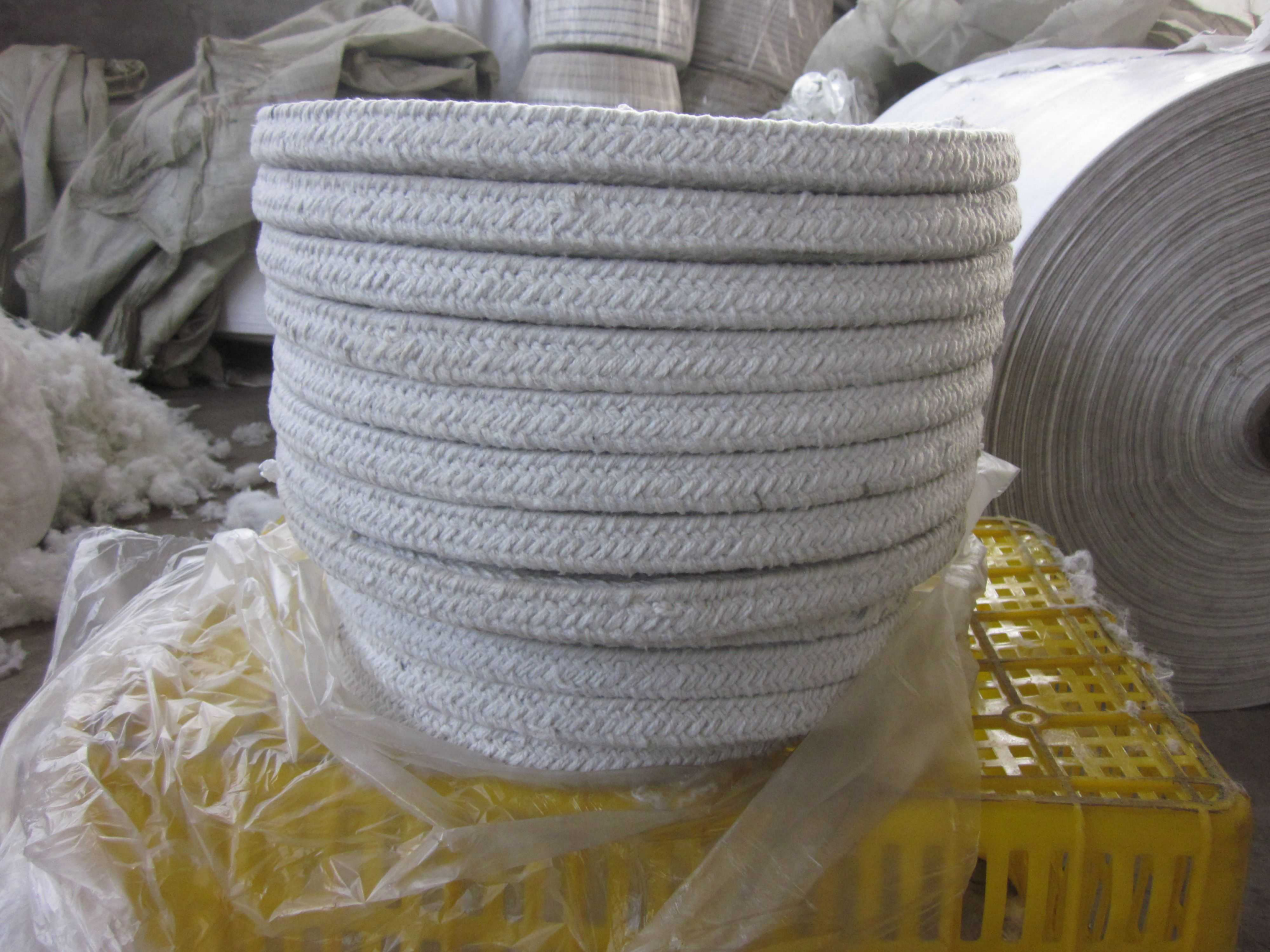
Round braided ceramic fiber rope features a cylindrical cross-section. It is commonly considered for furnace door seals, boiler access openings, and other sealing channels designed for round-section packing.
Square Braided Ceramic Fiber Rope
Square braided ceramic fiber rope has a square cross-section that can fit grooves designed for square-section sealing materials. It may be suitable for selected furnace doors, equipment access panels, and industrial gasket applications.
Reinforced Ceramic Fiber Rope
Reinforced ceramic fiber rope incorporates suitable reinforcing materials to improve handling strength and structural integrity. The choice of reinforcement depends on operating temperature, mechanical requirements, and the service environment.
When purchasing ceramic fiber rope in bulk, buyers should specify the rope construction, dimensions, reinforcement, and required service conditions before requesting a quotation.
3. Industrial Applications of Ceramic Fiber Rope
Industrial Furnace Door Seals
Ceramic fiber rope for furnace door seals helps insulate the contact area between a furnace body and its door. Correctly selected sealing rope can reduce heat leakage and help maintain stable furnace operating conditions.
Ceramic Kilns and Heat-Treatment Equipment
In ceramic kilns and heat-treatment systems, ceramic fiber rope can be used at suitable joints, access openings, and selected sealing points. The rope must be compatible with the equipment’s operating temperature and thermal cycling conditions.
Boiler Doors and Inspection Openings
Ceramic fiber rope gasket materials may be used around suitable boiler doors and inspection openings. Selection should account for temperature, pressure, movement, and exposure to steam or process media. Not every ceramic fiber rope is suitable for pressure-containing joints.
High-Temperature Pipes and Expansion Joints
Ceramic fiber rope may serve as insulation packing in selected hot-pipe connections and thermal expansion areas. For moving joints or pressure-containing systems, the complete joint design must be evaluated to ensure that the material is appropriate for the application.
4. How to Choose the Right Ceramic Fiber Rope Supplier
When sourcing ceramic fiber rope from a manufacturer or supplier, consider these essential factors:
- Operating temperature: Specify both continuous working temperature and peak exposure.
- Rope construction: Choose twisted, round braided, or square braided rope according to the sealing design.
- Dimensions: Provide the required diameter or cross-sectional dimensions and the sealing gap or groove size.
- Reinforcement: Confirm whether fiberglass or stainless steel reinforcement is required.
- Service environment: Consider thermal cycling, vibration, abrasion, moisture, and chemical exposure.
- Order quantity and packaging: Provide your estimated quantity, packaging preferences, and delivery destination.
- Technical documentation: Request the applicable product specifications and service-temperature recommendations.
These details help a ceramic fiber rope supplier evaluate product suitability and prepare a more accurate quotation for industrial projects, wholesale orders, and distribution requirements.
5. Source Related Ceramic Fiber Insulation Products from Mindelun
Mindelun supplies ceramic fiber insulation materials for industrial thermal insulation and high-temperature applications. Our product range includes ceramic fiber yarn, ceramic fiber cloth, ceramic fiber tape, and other industrial insulation products.
For insulation distributors, wholesalers, maintenance contractors, and industrial equipment manufacturers, sourcing related materials from one supplier can simplify procurement and product coordination.
Contact Mindelun with your application, required dimensions, operating temperature, reinforcement requirements, and estimated order quantity to discuss suitable insulation materials for your project.
Frequently Asked Questions
What is ceramic fiber rope used for?
Ceramic fiber rope is used for suitable high-temperature sealing and insulation applications, including furnace door seals, kiln sealing, boiler access openings, and selected industrial equipment joints.
What temperature can ceramic fiber rope withstand?
The temperature limit depends on the fiber grade, rope construction, reinforcement, and service conditions. Some ceramic fiber materials have classification temperatures up to 1260°C, but the continuous working temperature of a finished rope may be lower. Always confirm the technical data for the specific product.
What is the difference between twisted and braided ceramic fiber rope?
Twisted rope is made by twisting ceramic fiber yarns together. Braided rope uses an interlaced construction and may have a round or square cross-section. The appropriate type depends on the sealing channel, compression requirements, and equipment design.
Is reinforced ceramic fiber rope suitable for every high-temperature application?
No. Reinforcement materials have their own temperature and performance limitations. Buyers should evaluate the complete rope assembly, including reinforcing components, and confirm suitability with the manufacturer.
How can I order ceramic fiber rope in bulk?
Provide the supplier with the required rope type, dimensions, service temperature, reinforcement, quantity, and delivery destination. These specifications help the supplier recommend a suitable product and prepare a quotation.
Contact Mindelun for Industrial Insulation Solutions
Looking for reliable insulation materials for your industrial project or distribution business? Contact Mindelun to discuss your technical requirements and explore suitable ceramic fiber insulation products for your application.