Polycrystalline Fiber Loose Fill for High-Temperature Industrial Insulation
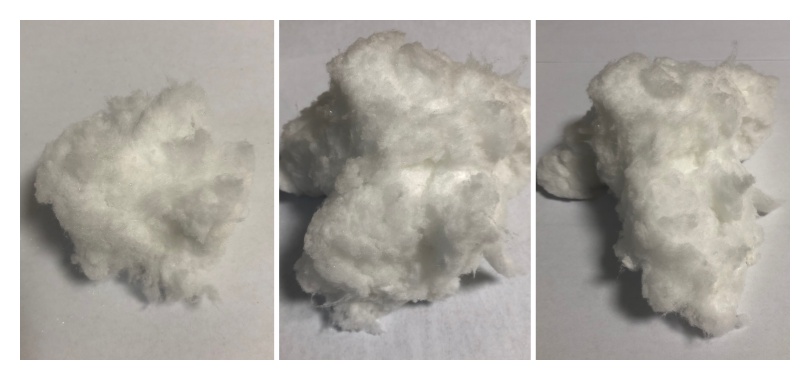
Polycrystalline fiber loose fill is a specialized refractory fiber material used in selected high-temperature insulation and fiber-processing applications. Also known as polycrystalline fiber bulk or PCW bulk fiber, it is supplied in an unformed, loose-fiber state for applications where the material grade and processing method meet the required service conditions.
For industrial furnace manufacturers, refractory contractors, equipment manufacturers and insulation distributors, choosing a suitable polycrystalline fiber loose fill supplier requires evaluating material specifications, operating conditions, intended use and supply consistency.
What Is Polycrystalline Fiber Loose Fill?
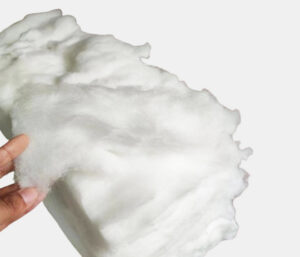
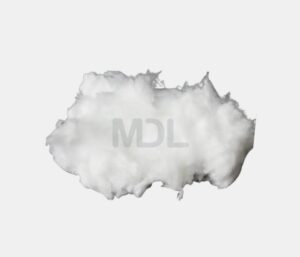
Polycrystalline fiber loose fill consists of loose polycrystalline refractory fibers, commonly based on alumina-silica or mullite-related compositions. Unlike preformed insulation products, it is not supplied as a finished blanket, board or module.
Depending on the specific grade and manufacturing process, polycrystalline fiber bulk may be considered for selected filling applications or used as a raw material for producing specialized fiber components.
Its suitability depends on fiber composition, temperature requirements, chemical environment and processing conditions. Buyers should review product-specific technical documentation before selecting a grade for industrial use.
Key Properties of Polycrystalline Fiber Bulk
1. High-Temperature Capability
Polycrystalline fiber materials are developed for demanding thermal environments. The appropriate grade depends on the operating temperature, furnace atmosphere, thermal cycling and recommended service conditions.
When comparing products, distinguish between classification temperature and continuous operating temperature. A classification rating alone does not establish the maximum safe service temperature for every application.
2. Thermal Insulation Performance
Thermal conductivity is an important consideration when evaluating high-temperature insulation materials. Actual performance varies with material composition, temperature and product characteristics.
For engineering applications, request relevant technical data and confirm that the reported test conditions are appropriate for the intended operating range.
3. Dimensional and Processing Requirements
Loose fiber differs from preformed insulation because the material must be suitable for its intended installation or manufacturing process. Buyers should explain whether the fiber will be used for filling, packing or producing formed components.
For engineered parts, processing suitability and the requirements of the forming method should be confirmed before bulk quantities are ordered.
4. Material Compatibility
High-temperature service involves more than heat alone. Furnace atmosphere, chemical exposure, gas flow, vibration and mechanical contact may influence material suitability.
A supplier should assess the application against the product’s documented specifications rather than recommend a grade based only on its temperature classification.
Applications of Polycrystalline Fiber Loose Fill
Depending on the fiber grade and the installation or manufacturing method, polycrystalline fiber bulk may be considered for:
- Specialized furnace insulation: Selected filling applications within high-temperature equipment.
- Insulation component manufacturing: Raw material for certain formed or engineered fiber products.
- Thermal processing equipment: Applications where the specified fiber grade meets operating requirements.
- Industrial maintenance: Supplementary or replacement fiber material for approved uses.
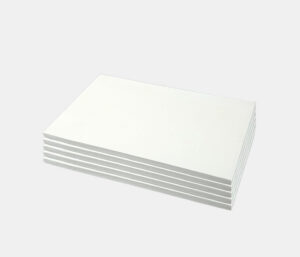
Loose fill is not automatically interchangeable with ceramic fiber blanket, board or module products. Where a project requires a preformed insulation shape, the appropriate finished product may provide a more suitable installation solution.
For more information about insulation solutions for industrial furnace systems, visit Mindelun’s Industrial Furnace Insulation page.
Polycrystalline Fiber Loose Fill vs. Ceramic Fiber Bulk
Polycrystalline fiber bulk and conventional ceramic fiber bulk are both supplied as loose fiber materials, but their compositions and temperature capabilities may differ.
Polycrystalline fiber is generally considered for demanding high-temperature conditions, while conventional ceramic fiber bulk is used in many industrial insulation applications. The correct selection depends on the specific grade and service conditions.
Before purchasing, compare:
- Fiber type and chemical composition
- Classification temperature and recommended continuous service temperature
- Thermal conductivity and shrinkage data under stated test conditions
- Compatibility with the operating atmosphere
- Processing requirements and intended use
- Packaging, quantity and total supply cost
For applications that require preformed insulation rather than loose fiber, explore Mindelun’s Ceramic Thermal Insulation Blanket and Ceramic Fiber Board options.
How to Choose a Polycrystalline Fiber Loose Fill Supplier
When sourcing polycrystalline fiber loose fill for industrial insulation, buyers should evaluate the following factors.
Technical documentation: Request the material grade, chemical composition, temperature classification, recommended service conditions and relevant performance data.
Application support: Explain the intended use, operating temperature, atmosphere and processing method so the supplier can assess product suitability.
Material consistency: Confirm the applicable quality inspection requirements and whether the supplier can provide the documentation needed for your project.
Packaging and logistics: Discuss order quantity, packaging, lead time, delivery destination and export documentation before confirming the purchase.
Quotation accuracy: Provide clear technical requirements so suppliers can quote comparable material grades and quantities.
These checks help buyers compare suppliers on suitability and supply capability rather than price alone.
Request a Quote for Polycrystalline Fiber Loose Fill
To help a supplier evaluate your requirements, prepare the following information:
- Intended application and equipment type
- Normal operating temperature and maximum temperature
- Furnace atmosphere and operating cycle
- Intended use: filling, packing or component manufacturing
- Required quantity and packaging requirements
- Delivery destination and requested schedule
Technical drawings, existing material specifications and application details are helpful when available. The supplier can then review the requirements and confirm product availability, technical suitability and quotation conditions.
Mindelun supplies thermal insulation materials for industrial and commercial buyers. If you are sourcing polycrystalline fiber loose fill for high-temperature industrial insulation, contact Mindelun to discuss your application and product requirements.
Frequently Asked Questions
What is polycrystalline fiber loose fill used for?
It is used in selected high-temperature filling and fiber-processing applications, depending on the material grade and intended installation or manufacturing method.
Is polycrystalline fiber loose fill the same as PCW bulk fiber?
These terms are commonly used to describe loose polycrystalline wool fiber material. Buyers should confirm the exact grade, composition and technical specifications with the supplier.
What is the difference between polycrystalline fiber bulk and ceramic fiber bulk?
They may differ in fiber composition and temperature capability. The appropriate material depends on the documented specifications and actual operating conditions.
Can polycrystalline fiber loose fill be used to manufacture insulation components?
It may be suitable as a raw material for selected formed or engineered fiber components. Compatibility depends on the fiber grade and manufacturing process.
What information is required for a quotation?
Provide the intended application, operating temperature, processing method, required quantity and delivery destination. Technical data and drawings are useful when available.
How can I select a reliable polycrystalline fiber loose fill supplier?
Compare technical documentation, material consistency, application support, packaging, lead time and the supplier’s ability to confirm suitability for your intended use.