Polycrystalline Fiber Board: Applications, Benefits and Factory Selection
Polycrystalline fiber board is a high-temperature insulation material developed for demanding industrial thermal applications. Manufactured from polycrystalline fibers and suitable bonding components, it is available in rigid board forms designed for applications requiring thermal stability, insulation performance and dimensional control.
For industrial furnace manufacturers, refractory contractors, distributors and thermal equipment producers, selecting the right polycrystalline mullite fiber board requires evaluating operating temperature, thermal conductivity, shrinkage, mechanical properties and installation conditions.
MDLINSULATION supplies industrial thermal insulation materials for B2B customers seeking product selection support, customized specifications and OEM/ODM solutions, subject to product availability and manufacturing requirements.
What Is Polycrystalline Fiber Board?
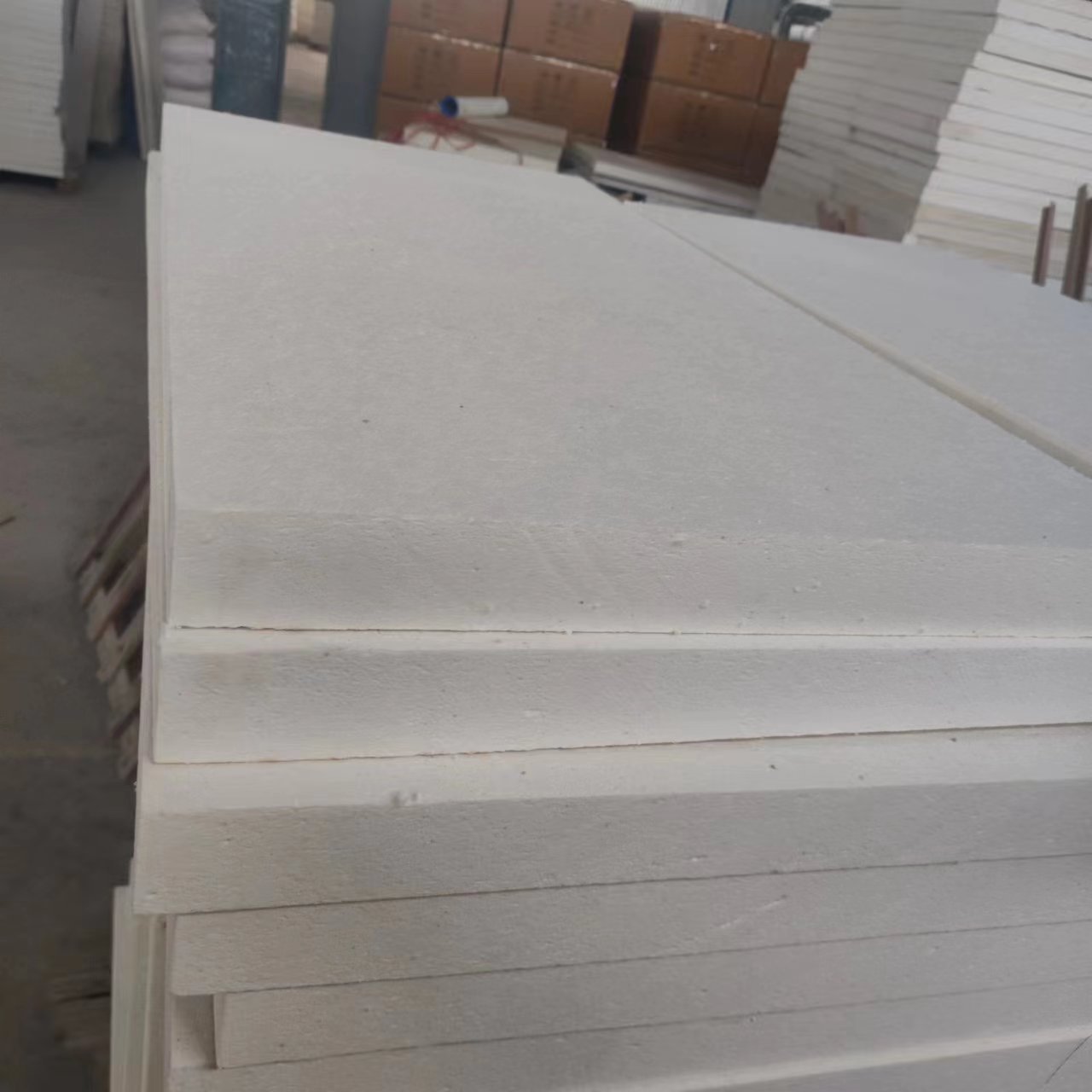
Polycrystalline fiber board is a rigid insulation product made from polycrystalline fibers. Depending on the composition and manufacturing process, products may be described as polycrystalline mullite boards or polycrystalline mullite fiber board.
These materials are designed for specialized high-temperature applications where conventional insulation products may not meet the required operating conditions.
Key properties to evaluate include:
- High-temperature stability
- Thermal conductivity at relevant operating temperatures
- Permanent linear change after heating
- Mechanical strength and handling characteristics
- Dimensional accuracy and machining capability
Actual performance varies by grade. Buyers should verify the manufacturer’s technical data sheet rather than assume all polycrystalline fiber products have identical properties.
For comparison with other rigid insulation products, see our Ceramic Fiber Board page.
Key Benefits of Polycrystalline Mullite Boards
1. High-Temperature Thermal Insulation
Polycrystalline mullite boards are designed for demanding thermal environments. Depending on the grade, they may be suitable for selected industrial furnaces, ceramic kilns and heat-treatment equipment.
When comparing products, distinguish between classification temperature and recommended continuous service temperature. The appropriate operating limit depends on the material grade, furnace atmosphere, thermal cycling and installation conditions.
2. Thermal Efficiency
Thermal conductivity is a critical factor in furnace insulation design. Selecting a suitable polycrystalline mullite fiber board can help reduce heat transfer through a lining and support efficient thermal operation.
For accurate product comparisons, request thermal conductivity values measured at comparable mean temperatures and under consistent test conditions.
3. Dimensional Stability
High-temperature exposure can cause permanent dimensional changes in insulation materials. For demanding applications, buyers should review permanent linear change data and confirm that the selected board is suitable for the intended heating cycle.
Low shrinkage should be verified through product-specific test data rather than assumed from the material name alone.
4. Custom Dimensions and Machining
Depending on the grade and manufacturer’s capabilities, polycrystalline fiber board may be supplied in different thicknesses and dimensions or processed into selected shapes.
Custom processing can help equipment manufacturers and refractory contractors fit insulation components to specific furnace geometries and installation requirements.
Polycrystalline Fiber Board Applications
Polycrystalline fiber board may be used in specialized high-temperature systems where its verified thermal and mechanical properties meet the application requirements.
Typical applications include:
- Industrial furnaces: Selected lining and insulation components.
- Ceramic kilns: Insulation components for suitable kiln designs.
- Heat-treatment equipment: Thermal insulation for compatible heating systems.
- Metallurgical equipment: Selected high-temperature components subject to application review.
- Laboratory and electric furnaces: Insulation parts designed for the required temperature and operating conditions.
The correct product depends on operating temperature, atmosphere, gas velocity, thermal cycling, mechanical loading and installation design. Not every polycrystalline fiber board is suitable for every application.
For broader furnace insulation solutions, explore our Industrial Furnace Insulation page.
Polycrystalline Fiber Board vs. Polycrystalline Wool Module
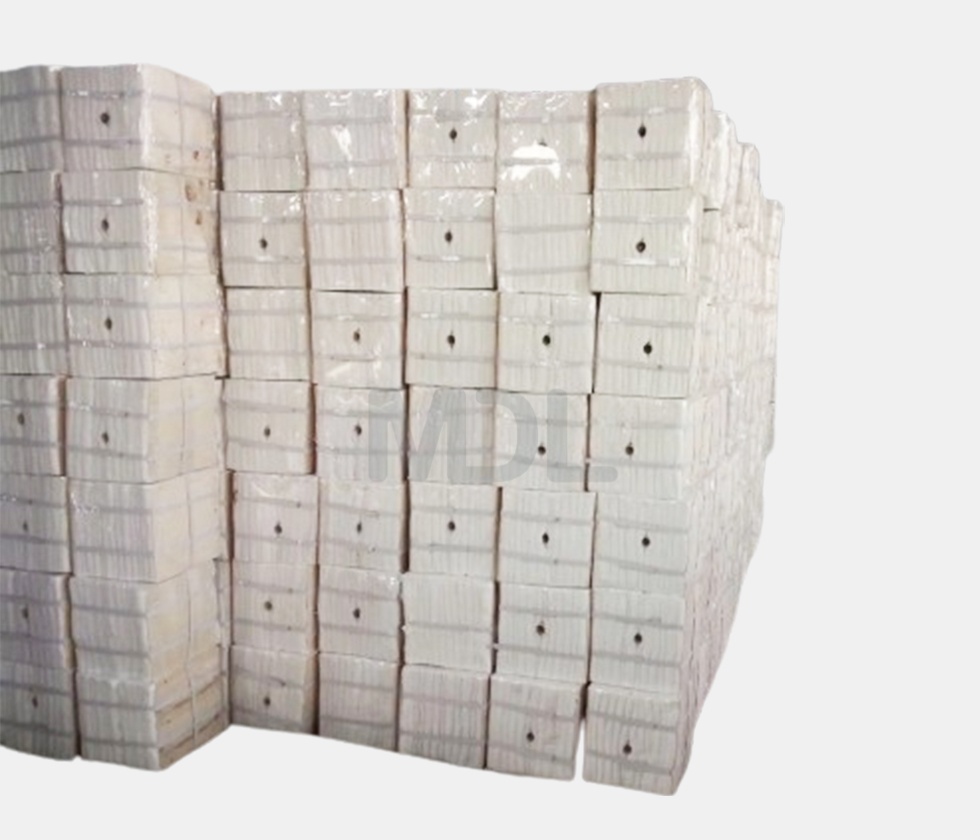
Polycrystalline fiber board and polycrystalline wool modules are different product forms. Although they may use related high-temperature fiber technologies, their installation methods and intended functions differ.
| Feature | Polycrystalline Fiber Board | Polycrystalline Wool Module |
|---|---|---|
| Product form | Rigid board | Preformed module |
| Main consideration | Flat panels and shaped insulation parts | Modular furnace lining |
| Installation | Fitted and secured according to the design | Installed as part of a designed module lining system |
| Customization | Board dimensions, thickness and selected shapes | Module dimensions and anchoring configuration, depending on the system |
| Selection priority | Thermal properties, strength and geometry | Lining design, installation and operating conditions |
A rigid board may be appropriate when flat or machined insulation components are required. A module may be better suited to a furnace designed for modular lining installation.
The two products should not be treated as interchangeable without reviewing the furnace design and manufacturer’s recommendations.
For related product information, visit our Ceramic Fiber Module page.
How to Select Polycrystalline Fiber Wool Board
When purchasing polycrystalline fiber wool board, industrial buyers should evaluate the following parameters.
1. Temperature rating
Confirm the classification temperature and recommended continuous service temperature for the specific grade.
2. Density
Check the nominal density and tolerance. Density affects board weight and may influence mechanical and thermal properties, but it should not be used as the sole measure of product quality.
3. Thermal conductivity
Request values at the mean temperatures relevant to the intended application. Compare data obtained under similar test conditions.
4. Permanent linear change
Review shrinkage or dimensional-change data after heating under specified test conditions, particularly for applications involving prolonged high-temperature exposure.
5. Mechanical properties
If the board must withstand handling, fixing or mechanical loads, confirm the relevant strength data and installation limitations.
6. Dimensions and tolerances
Specify thickness, length, width, dimensional tolerances and any machining requirements. Drawings are recommended for custom-shaped components.
How to Choose a Polycrystalline Fiber Board Factory
Choosing a reliable polycrystalline fiber board factory involves evaluating technical support, quality control and the ability to meet project specifications—not simply comparing unit prices.
For B2B procurement, consider the following:
- Technical documentation: Request data covering temperature rating, density, thermal conductivity and dimensional change.
- Product consistency: Confirm the manufacturer’s inspection procedures and batch documentation.
- Custom processing: Verify available dimensions, tolerances and machining capabilities.
- OEM and ODM options: Discuss custom specifications, packaging and private labeling where available.
- Export support: Confirm minimum order quantities, packaging, lead time and shipping arrangements.
- Application support: Provide the operating conditions so the supplier can assess product suitability.
MDLINSULATION supports B2B customers sourcing industrial thermal insulation materials. Share your project requirements to discuss available products, customization options and quotation details.
Frequently Asked Questions
What is polycrystalline mullite fiber board used for?
It is used in selected high-temperature insulation applications, including industrial furnaces, ceramic kilns and heat-treatment equipment. Suitability depends on the product grade and operating conditions.
Are polycrystalline fiber board and polycrystalline mullite boards the same?
The terms may overlap in commercial product descriptions, but product composition and specifications can vary. Confirm the fiber composition, temperature rating and technical data sheet before comparing products.
What does polycrystalline wool mean?
Polycrystalline wool generally refers to the fibrous insulation material, while a polycrystalline fiber board is a rigid product manufactured from fibers and suitable bonding components. A polycrystalline wool module is a different product form designed for modular installation.
Can polycrystalline fiber board be customized?
Customization depends on the manufacturer’s production capabilities. Ask about available thicknesses, dimensions, tolerances and machining options. Provide a drawing when a non-standard shape is required.
What information is needed for a quotation?
Provide the intended application, operating temperature, required product form, dimensions, quantity, destination country and any specific technical requirements. Include drawings for custom-shaped products where applicable.
Request a Polycrystalline Fiber Board Quote
Looking for a polycrystalline fiber board supplier for your industrial insulation project?
Contact MDLINSULATION with your application details, operating conditions, required dimensions and order quantity. Our team can discuss available insulation products, customized specifications and OEM/ODM options for your business.