Ceramic Fiber vs. Bio-Soluble Fiber: Key Differences, Applications, and Selection Guide
Choosing the right high-temperature insulation material is essential for industrial energy efficiency, equipment protection, and workplace safety. Ceramic fiber and bio-soluble fiber are both used in thermal insulation applications, but they differ in composition, biological persistence, temperature capabilities, and suitable operating conditions.
For industrial insulation contractors, equipment manufacturers, distributors, and refractory material buyers, understanding these differences helps identify suitable insulation solutions for furnaces, kilns, boilers, and other high-temperature equipment.
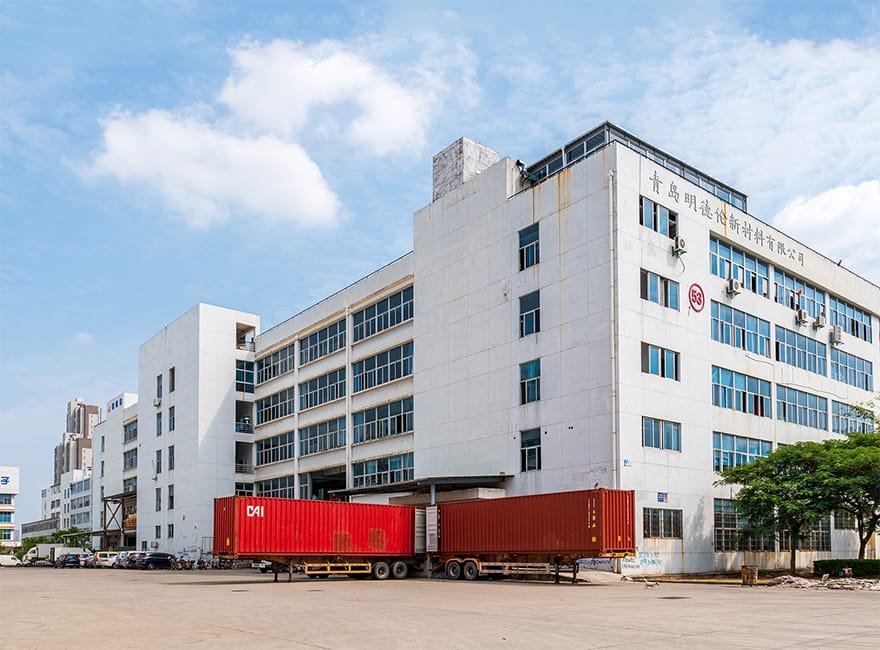
Mindelun supplies ceramic fiber insulation and related thermal insulation materials for industrial applications. This guide compares ceramic fiber and bio-soluble fiber to help buyers make informed material selection decisions.
1. What Is Ceramic Fiber?
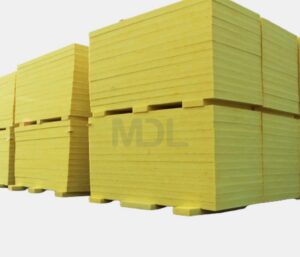
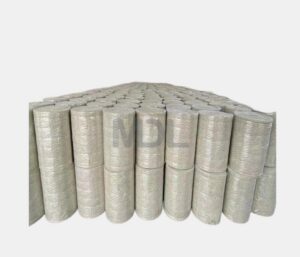
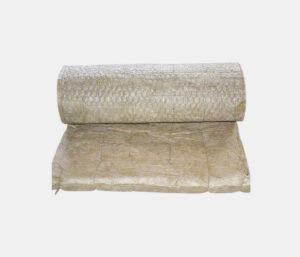
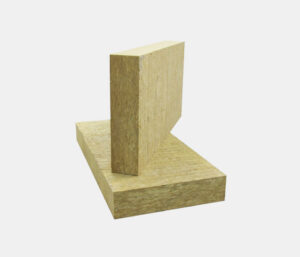
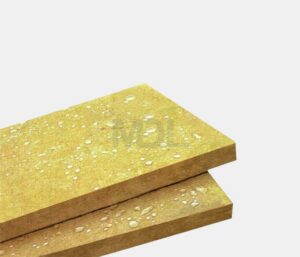
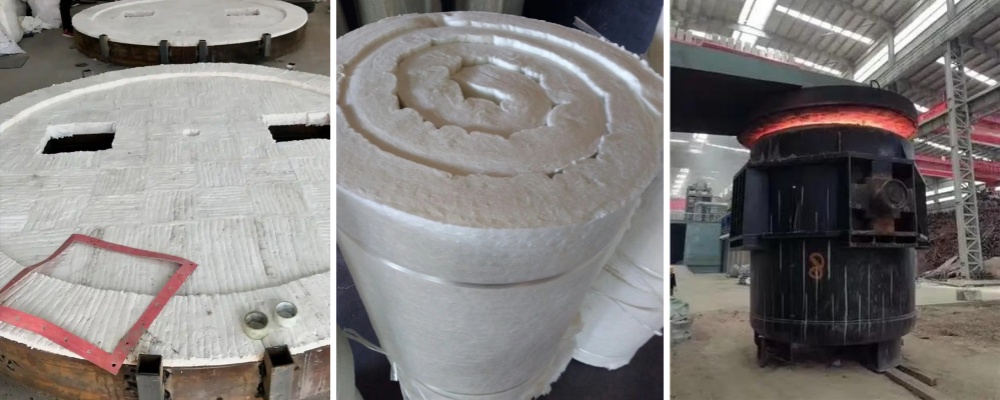
Ceramic fiber, commonly referring to refractory ceramic fiber (RCF), is a high-temperature insulation material typically based on alumina and silica. It is available in different product forms, including ceramic fiber blanket, ceramic fiber board, paper, modules, and bulk fiber.
Key characteristics include:
- Low thermal conductivity and low heat storage, depending on product grade and installation conditions.
- Lightweight construction for furnace and kiln insulation.
- Flexible or rigid product forms for different lining designs.
- Availability in grades with different classification temperatures and physical properties.
Ceramic fiber insulation is widely used in industrial furnaces, kilns, heat-treatment equipment, boilers, and other high-temperature systems. The appropriate grade depends on operating temperature, furnace atmosphere, thermal cycling, and mechanical conditions.
2. What Is Bio-Soluble Fiber?
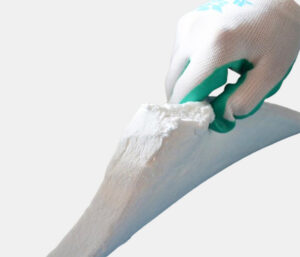
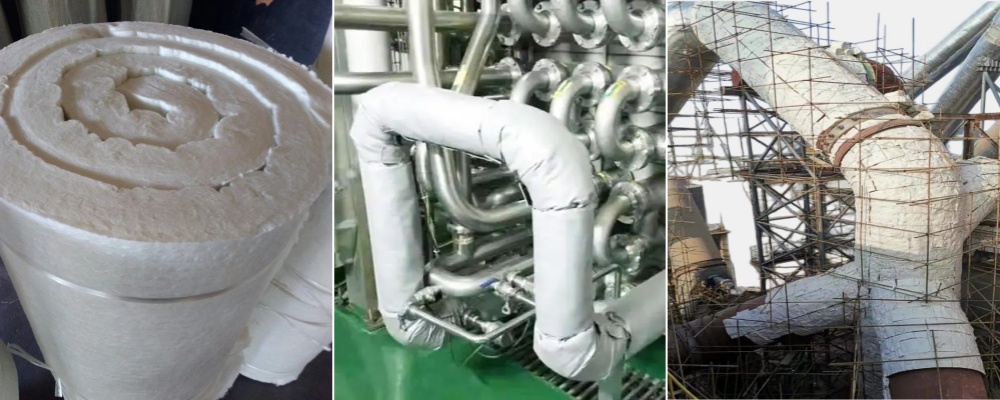
Bio-soluble fiber, also known as biosoluble fiber or bio-soluble fiber insulation, is designed to have greater dissolution in biological fluids under specified test conditions than conventional refractory ceramic fiber.
Some bio-soluble insulation products are based on alkaline earth silicate (AES) compositions. Their properties and temperature capabilities vary according to formulation and product grade.
Common characteristics may include:
- Low thermal conductivity for suitable insulation applications.
- Lightweight construction and convenient installation.
- Availability in blanket, paper, and other product forms, depending on the manufacturer.
- Reduced biopersistence compared with conventional RCF under relevant test conditions.
Bio-soluble fiber may be considered for selected industrial equipment, appliances, exhaust systems, and other thermal insulation applications. Buyers should verify the product’s temperature rating, classification, technical documentation, and suitability for the intended use.
3. Ceramic Fiber vs. Bio-Soluble Fiber: Key Differences
| Comparison | Ceramic Fiber (RCF) | Bio-Soluble Fiber |
|---|---|---|
| Material composition | Typically alumina-silica based | Often based on alkaline earth silicate, depending on product |
| Biological persistence | Generally more biopersistent than bio-soluble alternatives | Designed for greater dissolution under specified biological test conditions |
| Temperature capability | Available in grades for demanding high-temperature applications | Depends on formulation and specific product grade |
| Product forms | Blanket, board, paper, module, bulk, and other products | Blanket, paper, and other forms depending on availability |
| Typical applications | Furnaces, kilns, heat-treatment equipment, and high-temperature linings | Selected industrial equipment, appliances, exhaust systems, and thermal insulation applications |
| Selection factors | Temperature, atmosphere, thermal cycling, mechanical conditions, and exposure controls | Temperature limits, biological test data, application conditions, and exposure controls |
Neither material should be selected solely by its generic name. Actual performance depends on the product composition, density, dimensions, installation method, and operating environment.
4. Temperature Resistance and Thermal Performance
Temperature capability is one of the most important factors when comparing ceramic fiber insulation and bio-soluble fiber insulation. Conventional refractory ceramic fiber is available in grades intended for demanding high-temperature service, while bio-soluble fiber products also vary in their classification temperatures and recommended service conditions.
When evaluating an insulation product, buyers should distinguish between:
- Classification temperature: A temperature associated with a specified material test or classification.
- Continuous service temperature: The recommended operating limit under defined conditions.
- Actual application temperature: The temperature experienced by the insulation in the installed system.
Long-term exposure, thermal cycling, furnace atmosphere, shrinkage, and installation details can affect insulation performance. Always consult the manufacturer’s technical data before selecting a grade.
For furnace and kiln projects, explore Mindelun’s industrial furnace insulation solutions to learn more about insulation requirements for high-temperature equipment.
5. Health, Safety, and Material Selection
Health and safety considerations are important when choosing industrial insulation materials. Conventional RCF is generally more biopersistent than bio-soluble alternatives, but the actual risk depends on fiber type, exposure conditions, applicable classification, and workplace controls.
Bio-soluble fiber is designed to dissolve more readily under specified biological test conditions. However, this does not mean every product is harmless or that normal handling precautions are unnecessary.
For responsible material selection, buyers and project engineers should:
- Review the product’s safety data sheet (SDS).
- Confirm the exact fiber classification and available test documentation.
- Follow applicable occupational exposure limits and installation procedures.
- Use suitable dust-control measures and personal protective equipment where required.
- Follow local regulations for handling, maintenance, and disposal.
Product-specific documentation and applicable regulations should guide the final decision.
6. How to Choose the Right High-Temperature Insulation Material
The choice between ceramic fiber and bio-soluble fiber should be based on project requirements rather than assuming that one material is universally better than the other.
Operating temperature: Confirm the continuous operating temperature, peak temperatures, and thermal cycling conditions.
Equipment design: Determine whether the project requires a blanket, board, paper, module, or another product form.
Mechanical and environmental conditions: Evaluate vibration, airflow, chemical exposure, abrasion, and installation constraints.
Health and safety requirements: Review fiber classification, SDS information, workplace exposure controls, and applicable regulations.
Procurement requirements: Compare dimensions, density, packaging, availability, customization options, and total installed cost.
For different industrial installation requirements, buyers can compare Mindelun’s ceramic fiber blanket with ceramic fiber board. Flexible blankets and rigid boards serve different installation needs, so the appropriate choice depends on equipment design and project specifications.
7. Frequently Asked Questions
What is the main difference between ceramic fiber and bio-soluble fiber?
The main differences are composition, biological persistence, and product-specific temperature capabilities. Conventional RCF is generally more biopersistent, while bio-soluble fiber is designed for greater dissolution under specified biological test conditions.
Is bio-soluble fiber suitable for high-temperature furnaces?
Some bio-soluble fiber products are suitable for selected high-temperature applications. Suitability depends on the specific grade, continuous service temperature, furnace atmosphere, and mechanical conditions.
Which material has better temperature resistance?
There is no universal answer. Conventional RCF and bio-soluble fiber are available in different grades. Buyers should compare the classification temperature and recommended continuous service temperature of the actual products.
What forms of ceramic fiber insulation are available?
Depending on the supplier’s product range, ceramic fiber insulation is available as blanket, board, paper, module, bulk fiber, and other fabricated products.
What documents should buyers request before purchasing?
Request the technical data sheet, safety data sheet, product classification, temperature recommendations, and relevant test reports or certifications. These documents help verify the product’s suitability for the intended application.
Conclusion: Select Insulation Based on Application Requirements
Ceramic fiber and bio-soluble fiber both serve important roles in industrial thermal insulation. The right choice depends on operating temperature, equipment design, mechanical conditions, safety requirements, and the specifications of the individual product.
Mindelun supplies ceramic fiber insulation and related thermal insulation materials for industrial applications. Contact our team with your operating conditions, required product form, dimensions, and estimated quantity to discuss a suitable solution for your project.