Ceramic Fiber Board for Kiln: Selection, Cutting and Installation Guide
Ceramic fiber board is used in selected industrial kilns and furnaces where rigid thermal insulation, dimensional stability and convenient fabrication are required. Choosing the right board grade and installation method is essential for reliable insulation performance and long-term service.
For kiln manufacturers, refractory contractors, maintenance engineers and industrial buyers, understanding ceramic fiber board selection and installation can help reduce fitting problems, material waste and unnecessary maintenance.
1. How to Select Ceramic Fiber Board for Kiln Lining
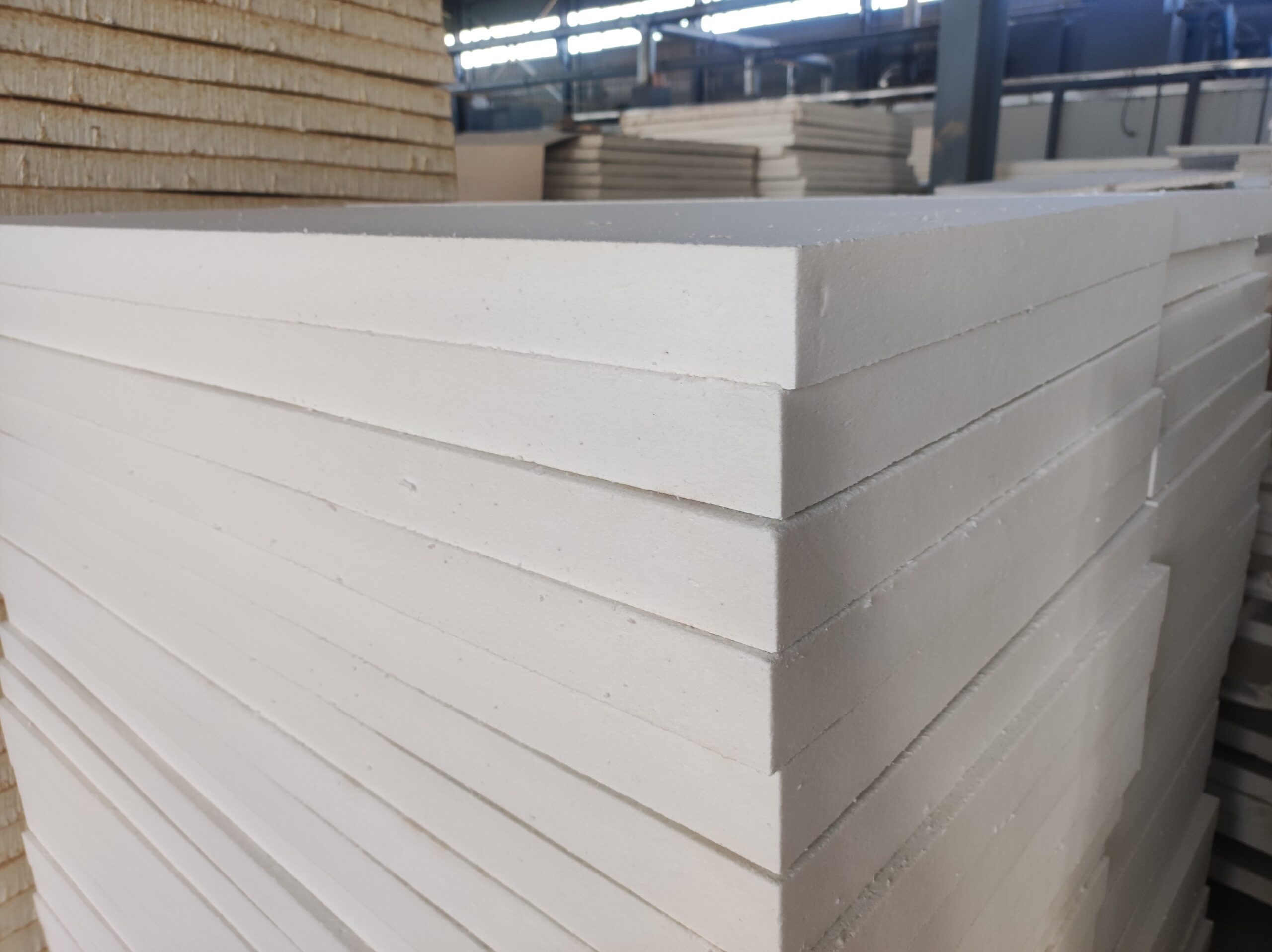
Selecting ceramic fiber board for kiln lining requires more than checking the maximum temperature rating. Buyers should consider the actual operating environment, mechanical requirements and installation design.
Operating Temperature
Choose a ceramic fiber board grade suitable for the intended service conditions. Consider continuous operating temperature, thermal cycling, local hot spots and the surrounding atmosphere.
Classification temperature is not necessarily the recommended continuous service temperature. Always confirm the manufacturer’s technical datasheet.
Density, Thickness and Mechanical Properties
Density, thickness and mechanical properties affect the suitability of ceramic fiber board for different applications. Required thickness should be determined according to the thermal design, while mechanical strength and support requirements must be reviewed for areas exposed to contact or loading.
Chemical and Atmospheric Conditions
Some kiln environments contain process vapors, alkalis or other substances that may affect refractory insulation materials. Confirm material compatibility before specifying a board for specialized industrial processes.
For product details, explore Mindelun’s Ceramic Fiber Board page.
2. Common Applications of Ceramic Fiber Board in Kilns
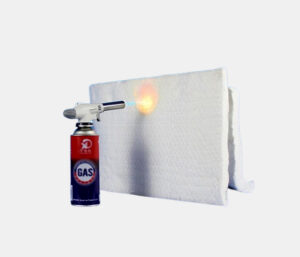
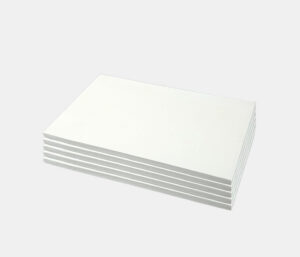
Ceramic fiber board can be used in selected kiln and furnace components where rigid insulation is appropriate.
- Kiln doors: Insulation panels fitted to suitable door structures.
- Furnace walls: Rigid insulation sections where the lining design permits board installation.
- Heating equipment: Selected burner surrounds and equipment insulation components.
- Custom insulation parts: Cut-to-size components manufactured to confirmed dimensions.
The suitability of ceramic fiber board depends on the specific location. Areas exposed to direct flame, high-velocity gas flow, severe abrasion or heavy mechanical loads may require additional protection or a different refractory lining design.
3. How to Cut Ceramic Fiber Board for Kiln Installation
Accurate cutting helps improve fit, reduce gaps and minimize material waste.
- Measure and mark: Confirm dimensions, openings and joint locations against the installation drawing.
- Choose suitable tools: Use cutting or machining equipment appropriate for the board grade and thickness.
- Cut carefully: Support the board and avoid excessive force that could damage edges or corners.
- Control dust: Follow the product safety data sheet and workplace risk assessment. Use suitable ventilation, dust extraction and personal protective equipment.
- Inspect finished parts: Check dimensions, edges and visible damage before installation.
For projects requiring custom dimensions or profiles, contact Mindelun to discuss the feasibility of custom ceramic fiber insulation components.
4. Ceramic Fiber Board Installation Methods
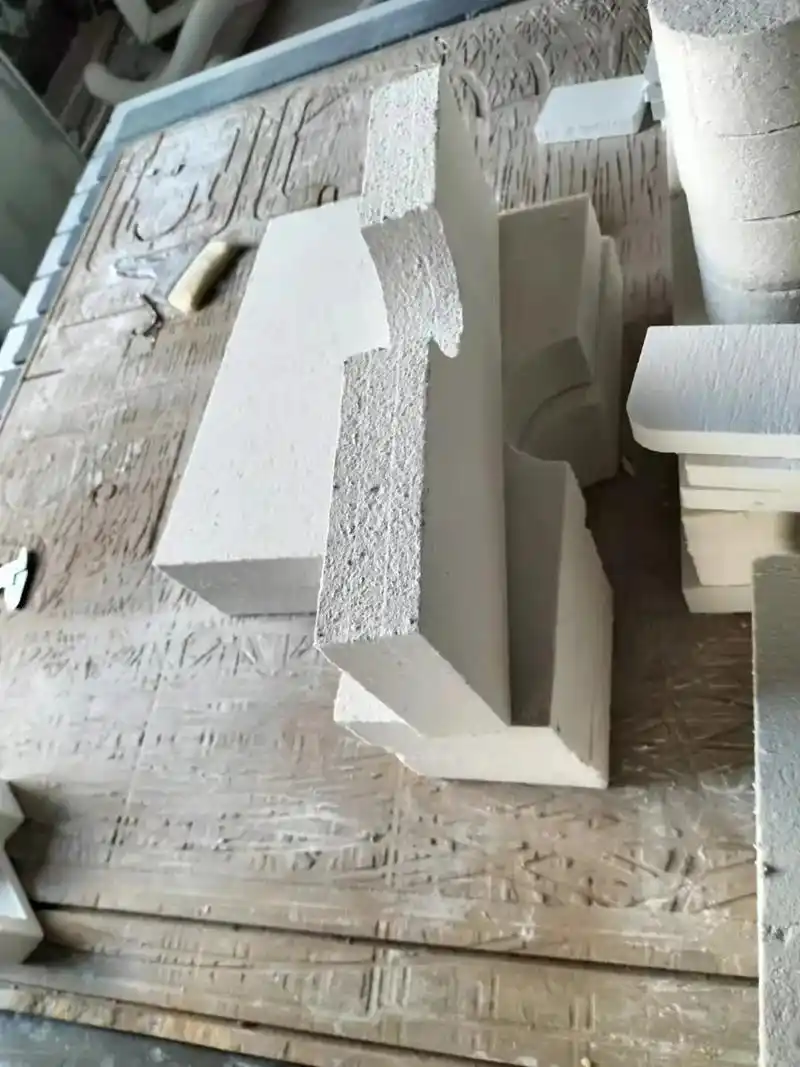
The appropriate installation method depends on the kiln structure, board location, temperature and mechanical conditions.
Mechanical Fixing
Mechanical fixing systems may be used where boards must be secured to a supporting structure. The fixing material, design and spacing should be specified for the actual service conditions.
High-Temperature Adhesives
Compatible high-temperature adhesives may be suitable for certain applications. Check the adhesive’s temperature rating, substrate compatibility, curing requirements and resistance to thermal cycling before use.
Multilayer Installation
Where a multilayer board system is specified, offsetting joints between adjacent layers can help reduce direct heat paths through aligned gaps.
The number of layers, total thickness, joint arrangement and fixing method should follow the approved insulation design rather than a universal installation rule.
5. Common Ceramic Fiber Board Installation Problems
| Problem | Possible Cause | Recommended Action |
|---|---|---|
| Cracked edges | Rough handling or cutting damage | Improve handling and inspect cut pieces |
| Gaps between boards | Incorrect dimensions or poor fitting | Check measurements and joint layout |
| Board detachment | Unsuitable fixing or inadequate support | Review the fixing design and installation quality |
| Shrinkage or deformation | Grade unsuitable for service conditions | Review temperature limits and technical data |
| Poor insulation performance | Insufficient thickness or gaps in the lining | Review the thermal design and inspect the installation |
These problems do not automatically indicate a manufacturing defect. Diagnosis should consider material specifications, installation quality and actual operating conditions.
6. Ceramic Fiber Board vs Ceramic Fiber Blanket for Kilns
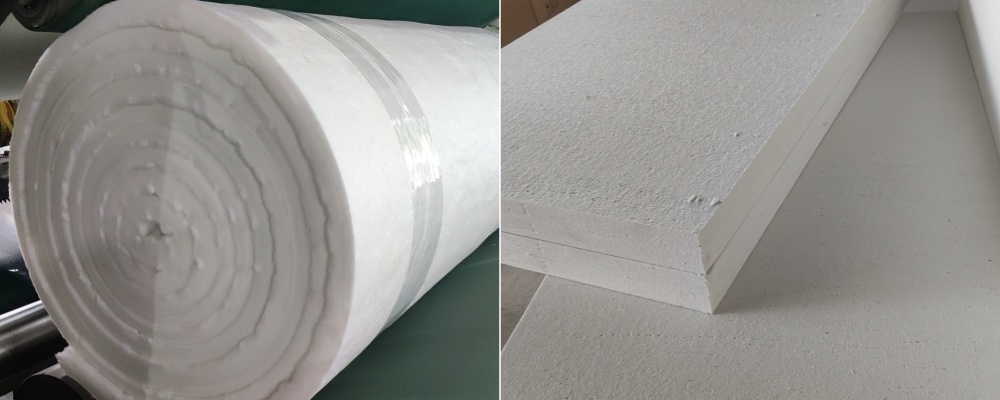
Ceramic fiber board and ceramic fiber blanket serve different insulation requirements.
| Feature | Ceramic Fiber Board | Ceramic Fiber Blanket |
|---|---|---|
| Form | Rigid panel | Flexible blanket |
| Main Advantage | Shape retention | Adaptability to suitable surfaces |
| Typical Applications | Panels and rigid insulation components | Large surfaces and flexible lining systems |
| Installation | Cutting, fitting and securing | Cutting, wrapping and suitable fixing |
Some engineered insulation systems use both materials in different areas. The final arrangement should be determined by the operating conditions and lining design.
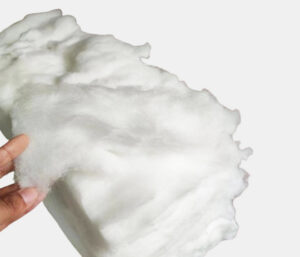
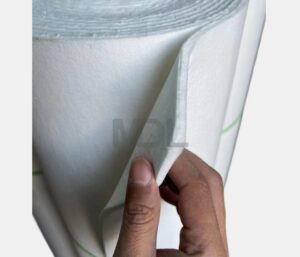
Learn more about Mindelun’s Ceramic Fiber Blanket for flexible insulation applications.
7. How to Order Ceramic Fiber Board for Kiln Projects
For industrial buyers, providing complete specifications helps suppliers assess product suitability and prepare accurate quotations.
When requesting a quotation for ceramic fiber board, provide:
- Application and kiln location
- Operating temperature and exposure conditions
- Required board grade, density and thickness
- Dimensions, cutouts and drawings
- Estimated order quantity
- Delivery destination and packaging requirements
Mindelun supplies ceramic fiber insulation materials for industrial buyers, distributors, refractory contractors and equipment manufacturers. Contact our team to discuss your project specifications and available product options.
Frequently Asked Questions
What ceramic fiber board is suitable for kiln lining?
The appropriate grade depends on temperature, mechanical requirements, atmosphere and installation location. Review the technical datasheet before selecting a product.
Can ceramic fiber board be cut on site?
Yes, provided suitable tools and workplace safety controls are available. Control dust exposure and inspect cut edges before installation.
Can ceramic fiber board be installed with adhesive?
Some applications permit compatible high-temperature adhesives. Suitability depends on the adhesive rating, substrate, thermal cycling and mechanical conditions.
Should joints be staggered in multilayer insulation?
Staggered joints are commonly used in multilayer systems to reduce direct heat paths through aligned gaps. Follow the approved lining design.
Can Mindelun supply custom ceramic fiber board?
Mindelun can review project requirements based on the specified grade, dimensions, drawings, quantity and manufacturing feasibility.
Conclusion
Successful ceramic fiber board kiln installation starts with selecting a suitable grade and continues through accurate cutting, appropriate fixing and careful inspection. Matching the board specifications to the actual operating conditions helps improve installation quality and insulation reliability.
Looking for a ceramic fiber board supplier for your kiln project? Contact Mindelun with your application, operating temperature, required dimensions and estimated quantity to discuss suitable product options and request a quotation.
Related Products