How to Select Ceramic Fiber Modules for Industrial Furnace Insulation
Ceramic fiber modules are widely used in industrial furnaces and kilns that require lightweight, high-temperature insulation. Manufactured by folding or stacking ceramic fiber blankets and compressing them into prefabricated units, these modules help create an insulating lining while simplifying installation.
For industrial buyers, selecting the right ceramic fiber modules involves more than comparing prices or temperature ratings. Fiber grade, module dimensions, anchoring design, and operating conditions all influence insulation performance and service reliability.
What Are Ceramic Fiber Modules?
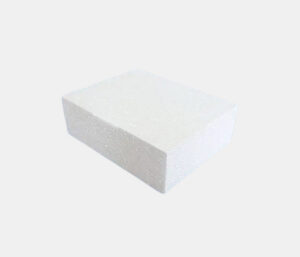
Ceramic fiber modules are prefabricated insulation units made from ceramic fiber blankets arranged in folded or layered configurations. The blankets are compressed into blocks designed for installation on suitable furnace walls, roofs, and other lining sections.
Compared with installing individual blanket layers directly on site, prefabricated ceramic fiber blanket modules can help simplify lining work and create a more organized insulation structure.
Module dimensions, compression, and installation arrangements should be selected according to furnace geometry, anchoring requirements, and project specifications.
Key Benefits of Folded Ceramic Fiber Modules
Effective thermal insulation
Ceramic fiber materials offer low thermal conductivity under suitable operating conditions, helping reduce heat transfer through industrial furnace linings.
Low heat storage
Compared with many heavier refractory lining systems, lightweight ceramic fiber linings can store less heat. This may help reduce lining heat-up time, depending on the overall furnace design and operating conditions.
Convenient installation
Prefabricated folded ceramic fiber modules can reduce the need to assemble multiple blanket layers individually on site. Correct module arrangement and installation are essential for reliable lining performance.
Flexible configurations
Module dimensions, fiber grades, densities, and anchoring arrangements can be selected according to equipment geometry and project requirements.
Maintenance flexibility
Where the lining design permits, individual modules can be replaced during maintenance without rebuilding the entire lining.
Actual performance depends on material grade, operating temperature, furnace atmosphere, thermal cycling, gas velocity, installation quality, and mechanical exposure.
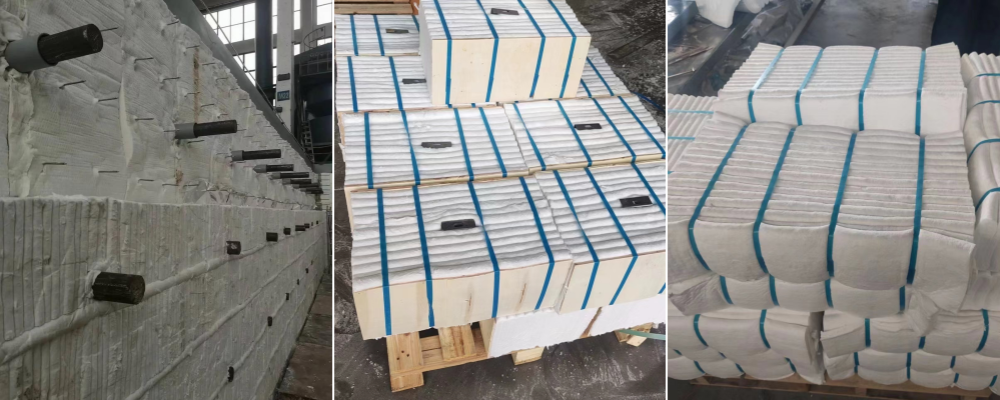
Applications of Ceramic Fiber Modules for Industrial Furnaces
Ceramic fiber modules are used in suitable high-temperature applications across several industries:
- Steel production: Reheating furnaces and heat-treatment equipment.
- Petrochemical processing: Suitable process heaters and furnace lining sections.
- Ceramic manufacturing: Kilns and thermal processing equipment.
- General industry: Selected industrial ovens, boilers, and other high-temperature systems.
Before selecting a ceramic fiber furnace lining, buyers should evaluate operating temperature, temperature fluctuations, furnace atmosphere, gas velocity, abrasion, and mechanical loading. Not every module configuration is suitable for every application.
How to Choose a Ceramic Fiber Module Supplier
When sourcing ceramic fiber modules for industrial furnace insulation, procurement teams should consider the following factors.
1. Fiber grade and temperature rating
Select a suitable fiber grade for the actual operating environment. Confirm the classification temperature and recommended continuous service temperature separately, as they are not interchangeable.
2. Module dimensions and density
Confirm module dimensions, density, compression, and installation orientation against furnace drawings and project specifications.
3. Anchoring system
The anchoring arrangement must be compatible with the furnace structure, installation sequence, and operating conditions. Anchor material and placement should be evaluated as part of the complete lining design.
4. Operating conditions
Consider temperature fluctuations, furnace atmosphere, gas flow, abrasion, and other service conditions that may affect insulation performance.
5. Installation and maintenance requirements
Discuss module layout, joint arrangement, installation instructions, and potential replacement requirements with the supplier before ordering.
Providing furnace drawings, operating parameters, and estimated order quantities helps the supplier assess the appropriate ceramic fiber insulation specification.
Frequently Asked Questions About Ceramic Fiber Modules
1. What Are Ceramic Fiber Modules Used For?
Ceramic fiber modules are used to insulate suitable industrial furnaces, kilns, process heaters, and other high-temperature equipment. Folded or layered ceramic fiber blanket modules provide a prefabricated lining solution when matched to the equipment design and operating conditions.
2. What Is the Difference Between Folded and Layered Ceramic Fiber Modules?
Folded modules are made by folding ceramic fiber blankets into a compressed module configuration, while layered modules are assembled from stacked blanket layers. The specific structure depends on the manufacturer’s production method and module design. Buyers should confirm the actual construction before ordering.
3. How Do You Choose the Right Ceramic Fiber Module Temperature Rating?
Consider the actual operating temperature, temperature fluctuations, furnace atmosphere, and other service conditions. Check both the fiber’s classification temperature and its recommended continuous service temperature. The higher classification temperature alone does not guarantee suitability for continuous operation.
4. What Should Buyers Check Before Ordering Ceramic Fiber Modules?
Buyers should confirm fiber grade, module dimensions, density, anchoring arrangement, installation direction, operating conditions, packaging, and delivery requirements. Providing furnace drawings and technical specifications helps the supplier assess the required configuration.
5. Can Ceramic Fiber Modules Be Customized?
Module dimensions and configurations may be customized according to the manufacturer’s capabilities and project requirements. Buyers should provide drawings, required quantities, installation details, and operating conditions to confirm feasibility with the supplier.
Mindelun Ceramic Fiber Insulation Solutions
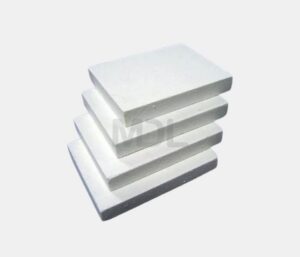
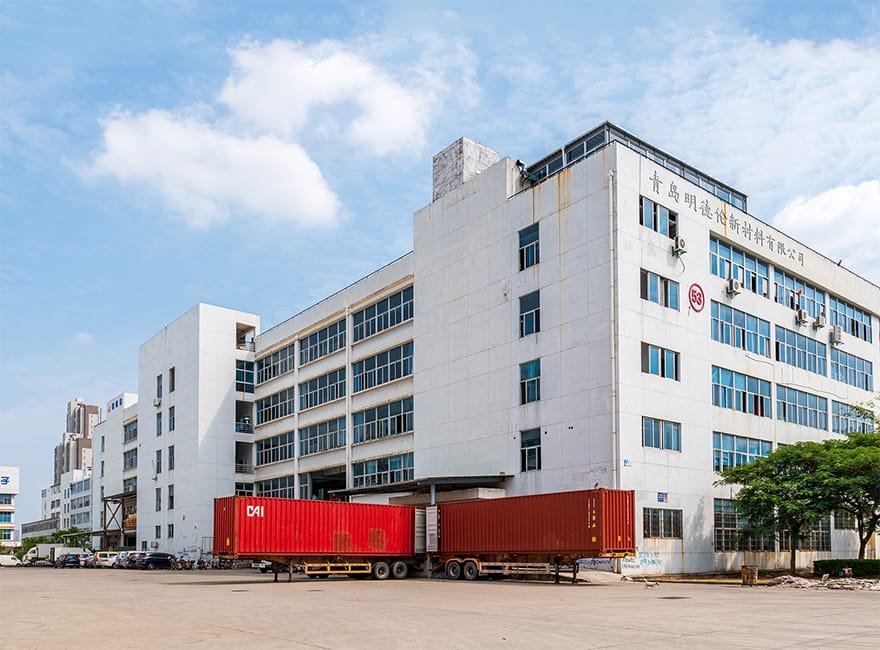
Mindelun supplies ceramic fiber insulation materials for industrial thermal applications, including ceramic fiber blankets, boards, and modules for suitable furnace insulation projects.
We support product selection according to project specifications, equipment requirements, and installation conditions. Contact our team to discuss ceramic fiber modules for your next industrial furnace insulation project.
Explore our related products and solutions: