How to Choose the Right Ceramic Fiber Textile for High-Temperature Insulation?
Ceramic fiber textile is a flexible high-temperature insulation material widely used in industrial furnaces, kilns, pipelines, and thermal protection systems. Made from alumina-silica ceramic fibers, it offers excellent heat resistance, low thermal conductivity, and good flexibility.
Available in different forms, including ceramic fiber cloth, tape, rope, and sleeving, ceramic fiber textiles provide effective solutions for thermal insulation, sealing, and fire protection.
But how do you choose the right ceramic fabric for your application? This guide covers the main types, properties, specifications, and industrial uses of ceramic fiber textiles.
1. What Is Ceramic Fiber Textile?
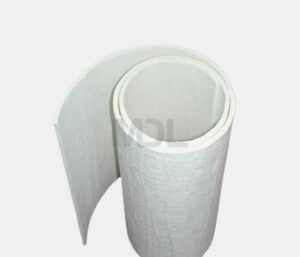
Ceramic fiber textile is manufactured by spinning ceramic fibers into yarn and weaving or processing the yarn into flexible insulation products. Depending on the production process, it is available in several forms:
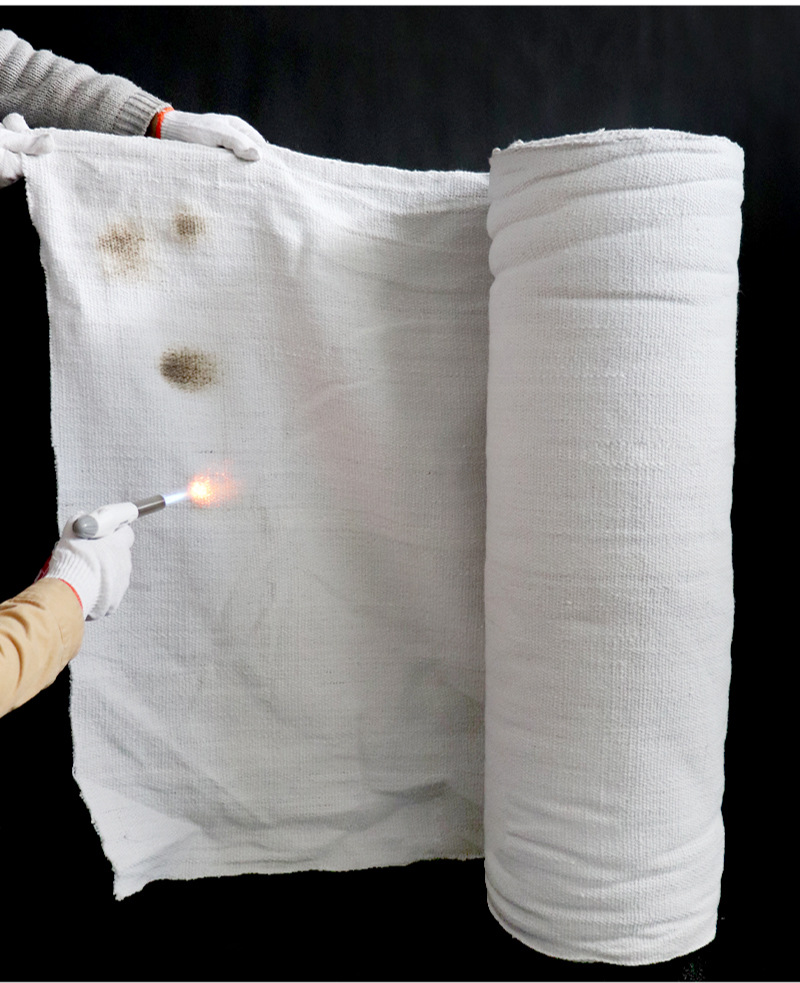
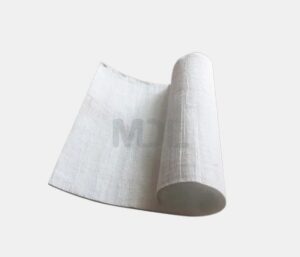
- Ceramic Fiber Cloth: A woven ceramic fabric used for thermal insulation, welding blankets, fire curtains, and heat protection. Explore Mindelun Ceramic Fiber Cloth.
- Ceramic Fiber Tape: A narrow, flexible textile designed for pipe wrapping, flange sealing, and insulation of irregular surfaces.
- Ceramic Fiber Rope: Available in twisted, round, and square forms for furnace door seals, expansion joints, and high-temperature gaps.
- Ceramic Fiber Sleeving: A tubular insulation product designed to protect cables, wires, and pipes from heat exposure.
To improve mechanical strength, ceramic fiber fabrics can be reinforced with fiberglass filament or stainless steel wire. The reinforcement type affects the product’s temperature resistance and mechanical properties.
2. Key Features of Ceramic Fiber Cloth
Ceramic fiber cloth is one of the most widely used products in the ceramic fiber textile category. Its woven structure combines flexibility with thermal protection, making it suitable for various industrial applications.
High Temperature Resistance
Made from alumina-silica ceramic fibers, ceramic fiber cloth provides excellent heat resistance. Actual operating temperatures depend on fiber grade, reinforcement, and exposure conditions.
Low Thermal Conductivity
Ceramic cloth insulation helps reduce heat transfer, minimize energy loss, and protect surrounding equipment from high temperatures.
Good Thermal Shock Resistance
Ceramic fiber fabrics can withstand repeated heating and cooling cycles, making them suitable for furnaces and other equipment with fluctuating operating temperatures.
Flexible and Easy to Install
The flexible woven structure allows ceramic fabric cloth to be cut, wrapped, and fitted around pipes, valves, furnace doors, and irregular surfaces.
Chemical Stability
Ceramic fiber textiles offer good resistance to oxidation and many industrial chemicals. However, direct exposure to hydrofluoric acid, phosphoric acid, and concentrated alkalis should be avoided.
For other flexible high-temperature insulation requirements, explore Mindelun’s Ceramic Fiber Blanket and Ceramic Fiber Paper products.
3. Ceramic Fiber Textile Specifications
Ceramic fiber textile products are available in different thicknesses, widths, structures, and reinforcement options to meet specific insulation requirements.
| Product | Typical Specifications |
|---|---|
| Ceramic Fiber Cloth | Width: 1,000–1,500 mm |
| Cloth Thickness | 2, 3, 5, 6 mm |
| Ceramic Fiber Tape | Width: 10–150 mm |
| Tape Thickness | 2–10 mm |
| Ceramic Fiber Rope | Diameter: 3–50 mm |
| Reinforcement | Fiberglass filament or stainless steel wire |
| Standard RCF Fiber Classification | Commonly 1260°C |
Note: Specifications are representative options and can vary by manufacturer. Fiber classification temperature is not the same as the continuous service temperature of the finished textile. Actual performance depends on reinforcement, product construction, and working conditions.
4. Applications of Ceramic Cloth Insulation
Ceramic cloth insulation is widely used in industries requiring flexible thermal protection and high-temperature sealing.
Industrial Furnaces and Kilns
Used for furnace insulation, door sealing, thermal barriers, and protective covers to reduce heat loss and improve energy efficiency. Explore Mindelun’s Industrial Furnace Insulation Solutions for more high-temperature insulation materials.
Welding and Fire Protection
Ceramic fiber cloth is used to manufacture welding blankets, fire curtains, heat shields, and protective pads to protect equipment and surrounding areas from sparks and heat.
Pipelines and Thermal Equipment
Ceramic fiber cloth and tape can wrap high-temperature pipes, valves, exhaust systems, and other equipment to reduce heat transfer.
High-Temperature Sealing
Ceramic fiber textiles are suitable for furnace doors, flanges, expansion joints, burners, and heat exchangers where flexible sealing materials are required.
Power Generation and Petrochemical Industries
These products provide thermal insulation and fire protection for boilers, heating equipment, industrial pipelines, and other high-temperature systems.
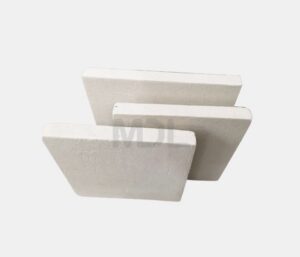
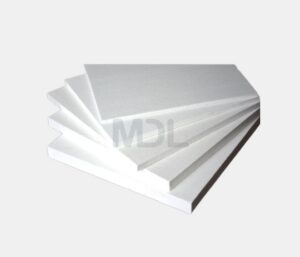
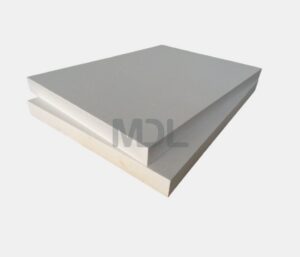
For applications requiring rigid thermal insulation, Ceramic Fiber Board is another option for industrial furnace linings and thermal equipment.
5. How to Choose the Right Ceramic Fiber Fabric?
Choosing the right ceramic fiber fabric requires consideration of the actual operating environment, installation method, and mechanical requirements.
Before purchasing, consider the following factors:
- Operating Temperature: Confirm the continuous working temperature and short-term temperature peaks.
- Reinforcement Material: Choose fiberglass filament or stainless steel wire according to temperature and mechanical requirements.
- Product Structure: Select cloth, tape, rope, or sleeving based on the equipment and insulation purpose.
- Thickness and Width: Match the dimensions to the pipe, equipment surface, or sealing gap.
- Mechanical Performance: Consider tensile strength, flexibility, abrasion resistance, and installation conditions.
For distributors, contractors, and industrial manufacturers, working with an experienced ceramic fiber cotton factory can help ensure consistent product quality, suitable specifications, and reliable supply.
6. Why Choose Mindelun for Ceramic Fiber Insulation Solutions?
Mindelun specializes in industrial thermal insulation and refractory insulation materials, providing solutions for distributors, contractors, and industrial customers worldwide.
Our product range includes ceramic fiber blankets, ceramic fiber boards, ceramic fiber papers, textiles, and calcium silicate insulation materials.
Our Advantages:
- OEM & ODM Services: Customized dimensions, specifications, packaging, and private-label solutions.
- Flexible Procurement: Support for samples, multiple specifications, and mixed-product container orders.
- Quality Control: Product inspection and specification confirmation before shipment.
- Factory-Direct Supply: Competitive sourcing solutions to help customers reduce ceramic fiber procurement costs.
- Global Delivery: Export experience and shipping support for international B2B customers.
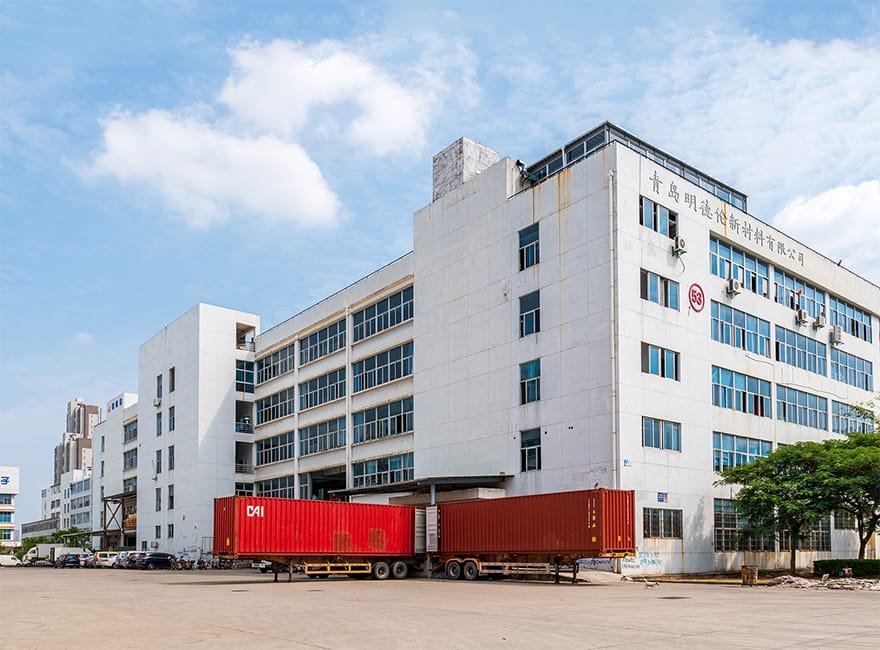
Learn more about our manufacturing facilities and production capabilities to understand how Mindelun supports customized insulation orders and global supply.
Whether you need ceramic fiber cloth, tape, rope, or other high-temperature insulation materials, Mindelun can provide suitable product recommendations based on your project requirements.
7. Frequently Asked Questions
Q1: What is the difference between ceramic fiber textile and ceramic fiber cloth?
Ceramic fiber textile is a general product category that includes cloth, tape, rope, sleeving, and yarn. Ceramic fiber cloth is one specific woven product within this category.
Q2: Is ceramic fiber cloth suitable for welding blankets?
Yes. Ceramic fiber cloth can be used in welding blankets, fire curtains, and heat protection covers. The appropriate reinforcement and fabric construction should be selected according to the working temperature and spark exposure.
Q3: What reinforcement materials are used in ceramic fiber fabrics?
Common reinforcement materials include fiberglass filament and stainless steel wire. The choice depends on the required temperature resistance, tensile strength, and application conditions.
Q4: Can ceramic fiber cloth be customized?
Yes. Width, thickness, length, reinforcement material, and packaging can be customized according to project requirements and supplier capabilities.
Q5: What information is needed for a ceramic fiber textile quotation?
Please provide the product type, operating temperature, dimensions, reinforcement requirements, application, and order quantity. This information helps suppliers recommend suitable ceramic fiber insulation products.
Contact Mindelun for Ceramic Fiber Textile Solutions
Looking for a reliable supplier of ceramic fiber textiles and high-temperature insulation materials?
Contact Mindelun for product specifications, OEM & ODM services, customized insulation solutions, and competitive quotations.
 English
 Arabic
 French
 German
 Spanish
 Portuguese
 Russian
 Indonesian