Industrial high-temperature applications require insulation materials that meet specific thermal, mechanical and fabrication requirements. Selecting the right material helps ensure compatibility with operating conditions and the design of the complete insulation system.
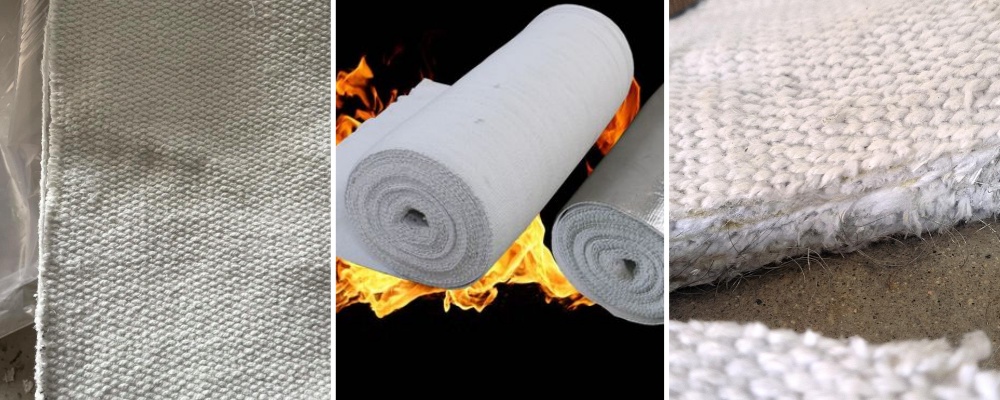
Ceramic fiber fabric is a flexible woven textile manufactured from ceramic fiber yarn. Depending on the product grade, it can be reinforced with fiberglass yarn or stainless steel wire to support different application requirements.
MDLINSULATION supplies thermal insulation materials for industrial distributors, equipment manufacturers, contractors and other B2B customers. This guide explains the key characteristics, applications and selection criteria for ceramic fiber cloth, including customized OEM and ODM supply options.
1. What Is Ceramic Fiber Fabric?
Ceramic fiber fabric is a woven high-temperature textile designed for selected thermal protection and insulation applications. Its properties depend on fiber composition, yarn construction, weaving method and reinforcement materials.
Common product configurations include:
- Fiberglass reinforced ceramic fiber fabric: Incorporates fiberglass yarn reinforcement, with performance depending on the fabric construction and operating conditions.
- Stainless steel reinforced ceramic fiber fabric: Incorporates stainless steel wire to provide a different combination of mechanical properties and handling characteristics.
Ceramic fiber cloth is used in selected furnace components, thermal covers, expansion joint assemblies and industrial sealing applications.
The correct product grade should be selected according to operating temperature, exposure duration, mechanical loading and installation conditions. The temperature classification of the base fiber should not automatically be treated as the continuous service temperature of the finished fabric.
2. Key Characteristics of High-Temperature Ceramic Fiber Cloth
High-Temperature Performance
Ceramic fiber cloth is designed for high-temperature environments. Its temperature classification and recommended operating limits depend on the fiber grade, reinforcement and product construction.
For continuous or demanding service, confirm the manufacturer’s technical data rather than relying solely on a general temperature rating.
Flexible Woven Construction
Compared with rigid insulation boards, ceramic fiber fabric can be cut and fabricated into selected flexible thermal covers, protective layers and equipment components.
Reinforcement Options
Fiberglass yarn and stainless steel wire reinforcement offer different mechanical characteristics. Selection should consider flexibility, handling, abrasion and the expected service environment.
Thermal Protection
Ceramic fiber fabric can serve as a component of an industrial thermal protection system. Actual thermal performance depends on the fabric grade, thickness, installation design and surrounding conditions.
Fabrication Versatility
Depending on the product construction, ceramic fiber cloth may be fabricated into selected wraps, sealing components, expansion joint layers and customized insulation parts.
3. Industrial Applications of Ceramic Fiber Fabric
Furnace and Kiln Components
Ceramic fiber cloth can be considered for selected furnace access covers, protective layers and auxiliary insulation components. For direct exposure to furnace temperatures or flames, verify that the complete product is suitable for the actual operating conditions.
Expansion Joints and Flexible Connections
Suitable ceramic fiber fabrics may be incorporated into expansion joint assemblies and flexible connectors. Selection depends on temperature, movement, pressure, chemical exposure and the construction of the complete assembly.
High-Temperature Gaskets and Sealing Components
Ceramic fiber fabric can be used in selected industrial sealing applications when its physical properties and service limits meet the design requirements.
The performance of a finished gasket also depends on its construction, compression, contact surfaces and operating conditions.
Removable Insulation Covers
Flexible ceramic fiber cloth can be incorporated into removable insulation covers for suitable valves, equipment and hot surfaces. Fabrication requirements, mechanical wear and maintenance access should be considered during design.
Metal Processing and Industrial Equipment
Selected grades may be used for auxiliary thermal protection in metal processing and other industrial environments. Applications involving sparks, molten-metal splash or direct flame exposure require products specifically evaluated for those hazards.
Petrochemical and Power Generation Equipment
Ceramic fiber fabric may be incorporated into selected thermal covers, flexible components and insulation assemblies. Chemical compatibility, operating temperature and mechanical loading should be verified before specification.
4. Fiberglass Reinforced vs. Stainless Steel Reinforced Ceramic Fiber Fabric
Choosing the right reinforcement is an important part of ceramic fiber fabric selection.
| Selection Factor | Fiberglass Reinforcement | Stainless Steel Wire Reinforcement |
|---|---|---|
| Reinforcement material | Fiberglass yarn | Stainless steel wire |
| Mechanical characteristics | Depend on yarn and fabric construction | Depend on wire type, diameter and fabric construction |
| Flexibility | Varies by weave and reinforcement | Varies by wire design and weave |
| Temperature suitability | Confirm complete product limits | Confirm complete product limits |
| Selection priority | Match construction to application requirements | Match construction to application requirements |
Neither reinforcement option is universally superior. The appropriate construction depends on operating temperature, mechanical stress, flexibility requirements and product availability.
5. How to Select the Right Ceramic Fiber Fabric
Before purchasing from a ceramic fiber fabric manufacturer or supplier, evaluate the following specifications.
Operating Temperature
Specify the normal operating temperature, maximum temperature and exposure duration. Confirm whether the fabric will experience continuous heat, intermittent exposure or thermal cycling.
Reinforcement Type
Identify whether fiberglass yarn or stainless steel wire reinforcement is required. Consider mechanical loading, flexibility, handling and the service environment.
Thickness and Roll Dimensions
Confirm the required thickness, width and roll length. These dimensions affect fabrication, installation and material planning. Custom sizes should be confirmed with the manufacturer.
Environmental Conditions
Evaluate abrasion, vibration, moisture, chemical contact and repeated flexing. These factors may affect fabric integrity and service performance.
Application and Installation Method
Specify whether the fabric will be used in a thermal cover, expansion joint, gasket component or another industrial assembly. The application determines which material properties are most important.
Technical Documentation
Request a technical data sheet and verify the relevant product specifications. For critical applications, ask for applicable test reports or validation under representative operating conditions.
6. OEM & ODM Ceramic Fiber Fabric Solutions
MDLINSULATION offers OEM and ODM cooperation options for eligible B2B projects, subject to product feasibility and confirmed production capabilities. These services can help distributors, private-label brands and equipment manufacturers source ceramic fiber fabric according to their business and application requirements.
OEM Ceramic Fiber Fabric Manufacturing
OEM cooperation is suitable for customers who already have defined product specifications and need a supplier to manufacture or supply products according to agreed requirements.
Potential customization options, subject to confirmation, include:
- Fabric width, thickness and roll length
- Fiberglass yarn or stainless steel wire reinforcement
- Private-label packaging and branding
- Customized product identification and packaging requirements
ODM Ceramic Fiber Cloth Development
ODM cooperation may suit customers who need support evaluating a product configuration for a specific application.
Depending on project feasibility, cooperation may include:
- Reviewing application requirements and existing specifications
- Discussing suitable fabric constructions and reinforcement options
- Evaluating required dimensions and product configurations
- Reviewing technical requirements before quotation and production
All proposed specifications should be confirmed before an order is placed. New product development, testing and special certifications are subject to separate feasibility assessment and agreement.
Customized Supply for B2B Customers
Our OEM and ODM options are intended to support insulation distributors, wholesalers, industrial contractors and equipment manufacturers seeking customized supply solutions.
When submitting an inquiry, provide your intended application, existing technical specifications or drawings, required dimensions, reinforcement preference, packaging requirements and estimated order quantity.
This information helps evaluate product suitability and determine the next steps for quotation and production.
7. Ceramic Fiber Fabric vs. Other Thermal Insulation Materials
Different ceramic fiber products serve different functions within industrial thermal systems.
| Material | Primary Function | Main Selection Considerations |
|---|---|---|
| Ceramic fiber fabric | Flexible high-temperature fabric applications | Reinforcement, flexibility and service conditions |
| Ceramic fiber blanket | Bulk thermal insulation | Classification temperature, density and thickness |
| Ceramic fiber paper | Thin insulation, separation and selected sealing applications | Thickness and installation conditions |
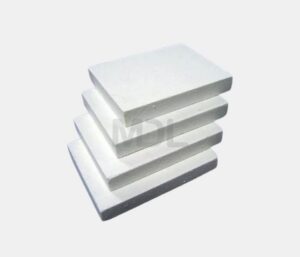
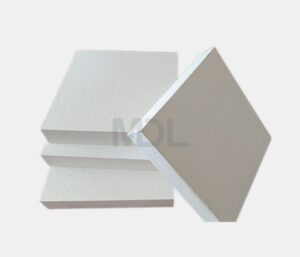
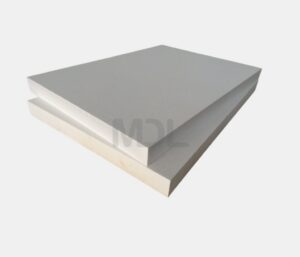
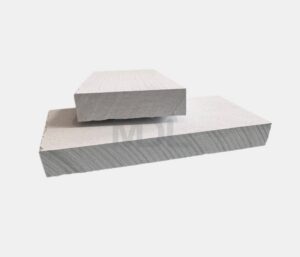
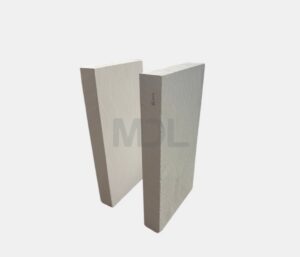
| Ceramic fiber board | Rigid insulation in suitable assemblies | Density, strength and dimensions |
| Aluminum foil laminated ceramic fiber cloth | Selected thermal protection applications with a reflective facing | Foil and bonding temperature limits |
These materials should be selected according to the application design rather than treated as direct substitutes.
Explore related products from MDLINSULATION:
8. Why Source Ceramic Fiber Fabric from MDLINSULATION?
MDLINSULATION serves industrial insulation distributors, equipment manufacturers, contractors and other B2B customers seeking thermal insulation materials for different applications.
When sourcing ceramic fiber fabric, buyers should consider product construction, technical specifications, application suitability, customization requirements and supply arrangements.
Our team can review your requirements and discuss available product options, customized specifications and OEM/ODM cooperation according to project feasibility.
To help us evaluate your inquiry, please provide:
- Intended application and installation method
- Operating temperature and exposure duration
- Required reinforcement type
- Fabric thickness, width and roll length
- OEM/ODM or private-label requirements, if applicable
- Estimated order quantity
Contact MDLINSULATION to discuss your ceramic fiber fabric sourcing requirements.
Frequently Asked Questions
What is ceramic fiber fabric used for?
Ceramic fiber fabric is used in selected furnace components, flexible thermal covers, expansion joint assemblies, industrial sealing components and other high-temperature applications.
What is the maximum temperature of ceramic fiber cloth?
The temperature classification depends on the fiber grade, reinforcement and product construction. Confirm the manufacturer’s recommended continuous service temperature and any restrictions on intermittent exposure.
Which is better: fiberglass reinforced or stainless steel reinforced ceramic fiber fabric?
Neither is universally better. The appropriate construction depends on the mechanical requirements, operating temperature, flexibility and exposure conditions of the application.
Can ceramic fiber fabric be customized?
Customization may be available for dimensions, reinforcement and packaging, depending on the product grade and production capability. Confirm the available options with the supplier before ordering.
Does MDLINSULATION provide OEM and ODM services?
OEM and ODM cooperation may be available for eligible projects. Customers should provide their product specifications, drawings, application requirements and estimated quantity so feasibility and available customization options can be reviewed.
What information is needed for a quotation?
Provide the application, operating temperature, reinforcement type, thickness, width, roll length and estimated quantity. For OEM/ODM inquiries, also include branding, packaging and any special technical requirements.
Request a Quote for Ceramic Fiber Fabric
Looking for a ceramic fiber fabric manufacturer, OEM supplier or custom ceramic fiber cloth supplier for your industrial insulation business?
Contact MDLINSULATION with your technical requirements to discuss product specifications, customization options and potential OEM/ODM cooperation.