Choosing the right thermal protection fabric requires careful evaluation of operating temperature, heat transfer conditions, mechanical requirements and material compatibility.
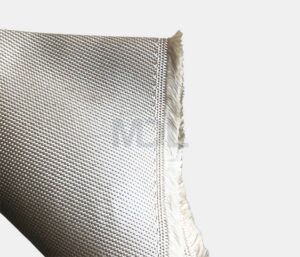
Aluminum foil laminated ceramic fiber cloth combines a ceramic fiber fabric substrate with an aluminum foil facing to support selected industrial heat shielding and insulation applications. Depending on the product grade, the fabric may incorporate fiberglass yarn or stainless steel wire reinforcement.
For insulation distributors, equipment manufacturers and engineering contractors, understanding the construction and service limitations of this composite material is essential for specifying the right product.
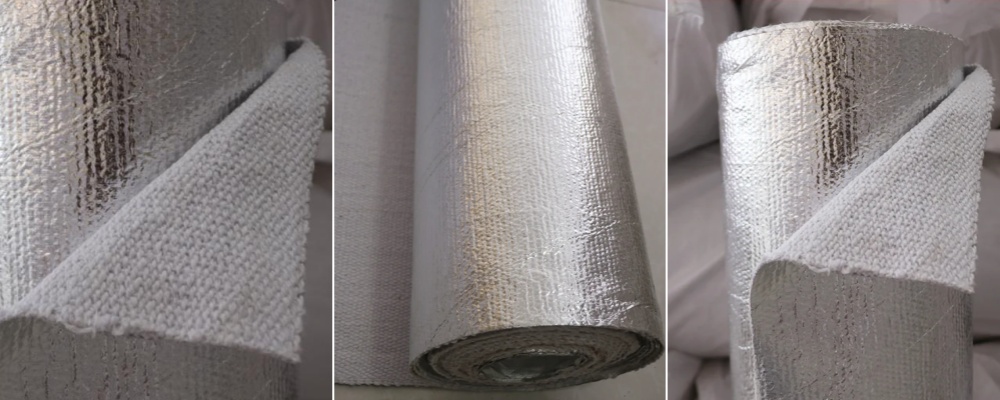
1. Construction of Aluminum Foil Laminated Ceramic Fiber Cloth
Aluminum foil faced ceramic fiber cloth consists of three main elements, depending on the product design.
- Ceramic fiber fabric: Provides the flexible fibrous substrate for thermal protection applications.
- Aluminum foil facing: Creates a reflective surface that can help reduce radiant heat transfer under suitable conditions.
- Reinforcement and bonding system: Supports fabric integrity and holds the laminate together. The materials and performance limits vary by grade.
The finished product’s performance depends on the quality of each component and the lamination process. In particular, the foil and bonding layer may have lower temperature limits than the ceramic fiber substrate.
Therefore, the temperature classification of the base fabric should not be used as the continuous service temperature of the complete aluminum foil laminated product.
2. Key Performance Considerations
Radiant Heat Reflection
The aluminum foil facing can reflect radiant heat when correctly oriented and installed. Actual performance depends on surface condition, heat source characteristics, installation geometry and surrounding surfaces.
Reflective foil does not eliminate conductive heat transfer and should not be treated as a replacement for properly designed bulk insulation.
Flexible Fabric Structure
Compared with rigid insulation boards, ceramic fiber cloth can be cut, wrapped and fabricated into selected thermal covers, protective barriers and insulation components.
Reinforcement Options
Fiberglass yarn and stainless steel wire are possible reinforcement options for different ceramic fiber cloth constructions. Selection should account for operating temperature, mechanical loading, flexibility and handling requirements.
Application-Specific Performance
The suitability of aluminum foil ceramic fiber fabric depends on the complete assembly and the environment in which it operates. Direct flame exposure, hot particles, abrasion, repeated flexing and chemical contact require specific evaluation.
3. Industrial Applications
Aluminum foil laminated ceramic fiber cloth may be considered for the following applications when the selected grade meets the required service conditions.
Industrial equipment heat shields
Used in selected shielding assemblies where radiant heat management and a flexible fabric structure are required.
Removable thermal insulation covers
May be incorporated into custom-fabricated covers and insulation components for suitable industrial equipment.
Metal processing and heat-treatment equipment
Can be considered for auxiliary thermal protection around equipment, subject to temperature limits and exposure conditions.
Petrochemical and power generation systems
May be used in selected insulation assemblies where the foil facing, bonding system and base fabric are compatible with the operating environment.
Custom thermal protection components
Suitable grades can be fabricated into components according to project dimensions and installation requirements.
Important: This material should not automatically be specified for welding curtains, direct flame barriers, molten-metal splash protection or direct furnace exposure. These applications require a product specifically tested and approved for the relevant hazards and temperatures.
4. How to Select Aluminum Foil Laminated Ceramic Fiber Cloth
Before purchasing from an aluminum foil laminated ceramic fiber cloth supplier, evaluate the following parameters.
Operating Temperature
Determine the actual temperature at the fabric substrate, foil surface and bonding layer. Request the maximum continuous service temperature of the complete laminate and confirm any short-term temperature limitations.
Reinforcement Type
Specify the required reinforcement, such as fiberglass yarn or stainless steel wire, based on mechanical requirements and temperature exposure. Confirm the available construction with the manufacturer.
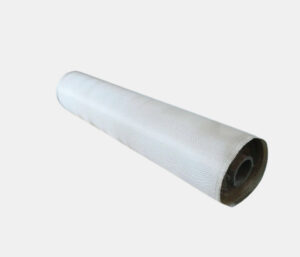
Thickness and Roll Dimensions
Define the required thickness, width and roll length according to the fabrication process and installation design. Confirm whether customized dimensions are available.
Installation Environment
Assess radiant heat, direct surface contact, vibration, abrasion, moisture and chemical exposure. These factors can affect the foil facing, bonding layer and service life.
Quality and Technical Documentation
Before placing an order, request the product technical data sheet and verify the relevant specifications. For critical applications, ask whether test reports or application-specific validation are available.
5. Technical Specifications to Confirm Before Ordering
| Specification | What to Confirm |
|---|---|
| Product construction | Aluminum foil laminated ceramic fiber cloth |
| Base fabric | Fiber type and fabric construction |
| Reinforcement | Fiberglass yarn, stainless steel wire or specified alternative |
| Foil facing | Foil specification and lamination method |
| Thickness | Nominal total thickness |
| Roll dimensions | Width and length |
| Temperature limit | Verified service temperature of the complete laminate |
| Intended application | Heat shielding, thermal covers or insulation assemblies |
| Quality documents | Technical data sheet and applicable test reports |
| Order requirements | Quantity, packaging and customization needs |
Actual values should be confirmed against the selected product grade. Buyers should avoid comparing products solely by the temperature rating of the ceramic fiber substrate.
6. Aluminum Foil Laminated Ceramic Fiber Cloth vs. Other Insulation Materials
| Material | Primary Function | Main Selection Factor |
|---|---|---|
| Aluminum foil laminated ceramic fiber cloth | Flexible thermal protection with a reflective facing | Foil and bonding temperature limits |
| Ceramic fiber cloth | Flexible high-temperature fabric substrate | Fabric grade and reinforcement |
| Ceramic fiber blanket | Bulk thermal insulation | Classification temperature, density and thickness |
| Ceramic fiber paper | Thin insulation, separation or sealing layer | Thickness and installation conditions |
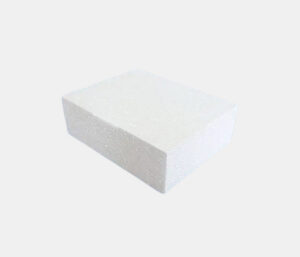
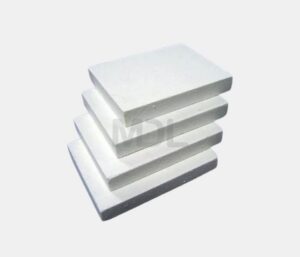
| Ceramic fiber board | Rigid insulation in suitable assemblies | Density, strength and dimensions |
These products serve different functions and should be selected according to the thermal design rather than treated as direct substitutes.
Explore related MDLINSULATION products:
7. Aluminum Foil Laminated Ceramic Fiber Cloth Supplier for B2B Projects
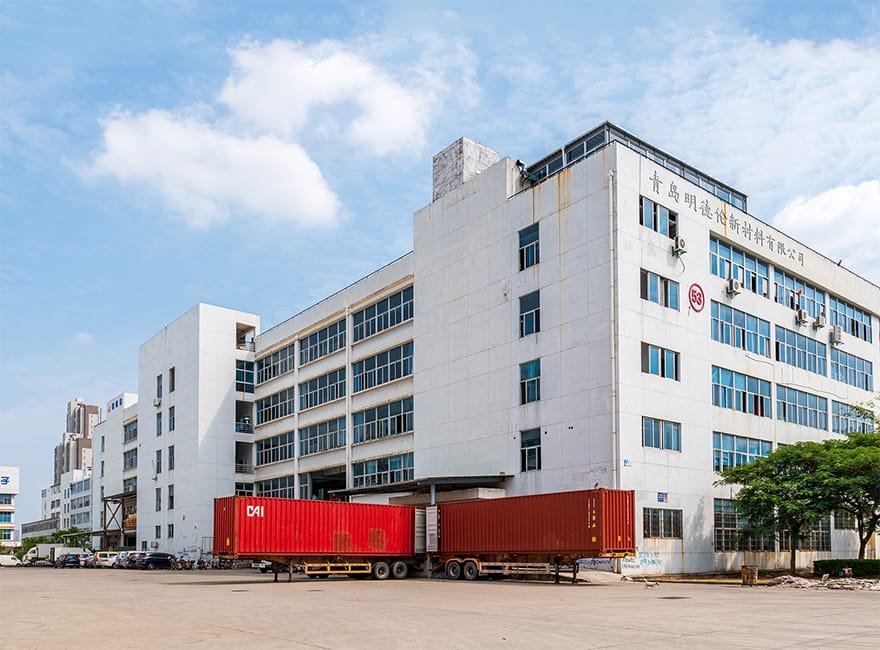
MDLINSULATION serves industrial insulation buyers, including distributors, equipment manufacturers, contractors and other B2B customers.
When evaluating aluminum foil laminated ceramic fiber cloth for a project, provide the intended application, operating temperature, required dimensions, reinforcement preference and estimated quantity. These details help establish whether an available product grade is appropriate for the intended service conditions.
Contact MDLINSULATION to discuss product specifications, available constructions and quotation requirements.
Frequently Asked Questions
What is aluminum foil laminated ceramic fiber cloth used for?
It is used in selected industrial heat shields, flexible thermal covers and insulation assemblies where a ceramic fiber fabric substrate and reflective facing are required.
Can aluminum foil laminated ceramic fiber cloth withstand 1260°C?
Not necessarily. A ceramic fiber cloth may have a high temperature classification, but the foil and bonding system may have lower service limits. Confirm the maximum continuous service temperature of the complete laminate before use.
Does aluminum foil ceramic fiber fabric provide thermal insulation?
It can contribute to a thermal protection system, particularly where radiant heat is involved. However, reflective foil and bulk insulation have different functions. The complete system should be designed for the actual heat transfer conditions.
Is stainless steel wire reinforcement available?
Some ceramic fiber cloth grades use stainless steel wire reinforcement. Availability and suitability depend on the manufacturer’s product construction and the intended operating conditions.
What information is required for a quotation?
Provide the required thickness, width, roll length, reinforcement type, operating temperature, application details and estimated order quantity. Drawings or photographs of the installation can help clarify project requirements.
Request a Quote
Looking for an aluminum foil laminated ceramic fiber cloth supplier for an industrial thermal protection project?
Contact MDLINSULATION with your specifications and application details to discuss suitable product options and customized supply requirements.