Ceramic Fiber Modules for Hot Blast Stove Insulation: Installation Guide
Introduction
Hot blast stoves operate under high-temperature conditions, making reliable thermal insulation essential for reducing heat loss, protecting furnace structures, and improving energy efficiency. Ceramic fiber insulation modules are widely used because of their low thermal conductivity, light weight, and excellent resistance to thermal shock.
As an experienced ceramic fiber module supplier, Mindelun provides customized ceramic fiber modules for hot blast stoves, industrial furnaces, and other high-temperature equipment.
Construction Procedure
The installation of a ceramic fiber module lining generally includes:
- Furnace wall preparation
- Layout and positioning
- Anchor bolt welding
- Anti-corrosion coating
- Backing blanket installation
- Ceramic fiber module installation
- Compensation blanket installation
- Surface finishing and curing
The backing blanket should be installed first, followed by the ceramic fiber modules. For the installation sequence, the roof is generally completed first, while the side walls are installed from the bottom upward.
1. Furnace Wall Preparation
Remove rust, dust, oil, and other contaminants from the furnace wall. The surface should be clean, dry, and suitable for anchor welding and insulation installation.
2. Layout and Positioning
Mark the installation positions of the anchor bolts according to the approved drawings. The layout should ensure consistent module spacing and correct folding directions.
Adjacent modules should be arranged closely, while the folding directions should be staggered horizontally and vertically to reduce heat leakage through the joints.
3. Welding Anchor Fixtures
Weld the anchor bolts or fixtures to the furnace shell according to the design requirements.
The following dimensional tolerances should be checked:
- Deviation between adjacent bolt centers: no more than 2 mm
- Deviation between any two bolt centers: within ±3 mm
After welding, inspect the welds for cracks, incomplete fusion, undercutting, and other visible defects. Loose or poorly welded anchors may cause ceramic fiber modules to detach during operation.
4. Anti-Corrosion Coating
Apply a high-temperature anti-corrosion coating to the welded anchor area. The typical coating consumption is approximately 3 kg/m², depending on the coating specification and project requirements.
Avoid coating the bolt threads, as this may affect nut installation and tightening.
5. Backing Blanket Installation
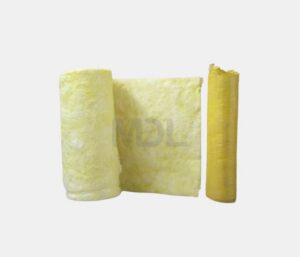
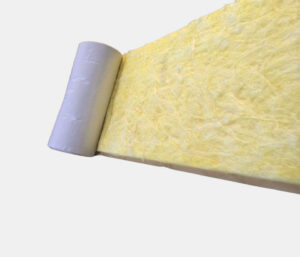
Install the ceramic fiber backing blanket before fixing the modules. Two layers are commonly used, with the joints of each layer staggered by at least 100 mm.
The blanket should be compressed to the designed thickness and fixed securely. The upper edge may be temporarily secured with quick-release clips to prevent movement during module installation.
6. Ceramic Fiber Module Installation
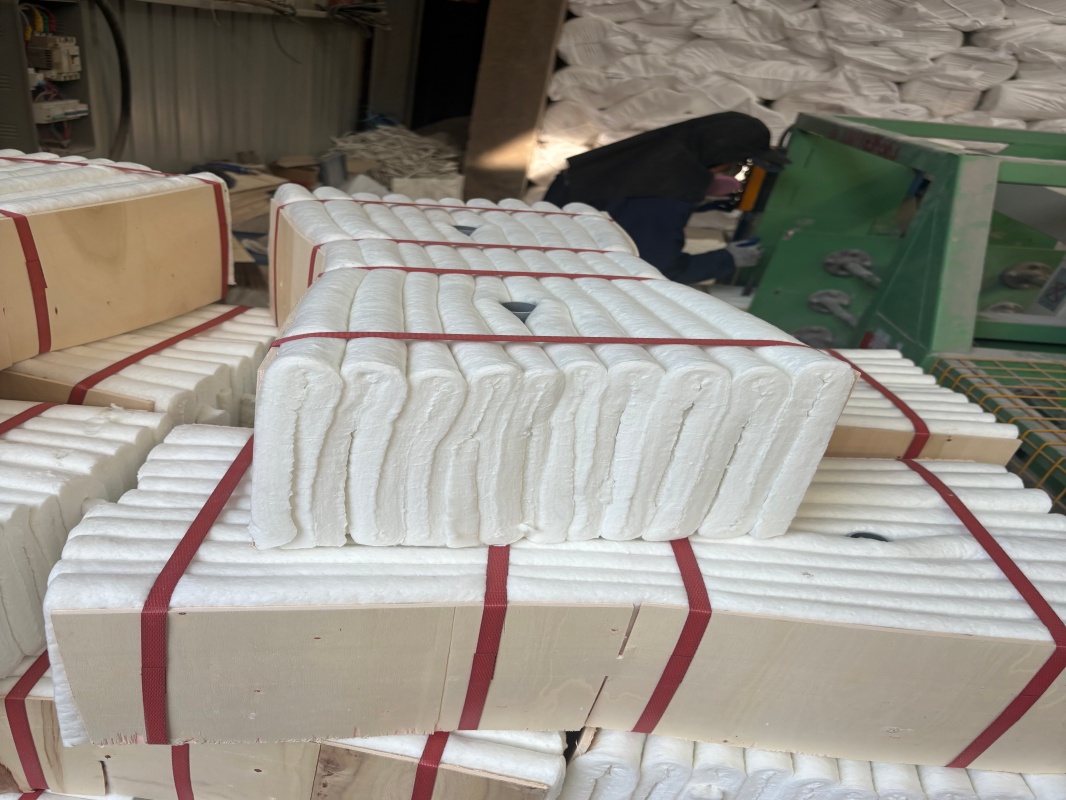
Insert the guide rod through the central hole of the ceramic fiber module and press the module firmly against the furnace wall.
Use a dedicated wrench to tighten the fixing nut and secure the module. After installation, remove the guide rod and continue with the next module.
The modules should be installed closely and evenly to create a continuous insulation layer. Insufficient tightening may cause module separation at high temperatures.
7. Removing the Center Tube and Ties
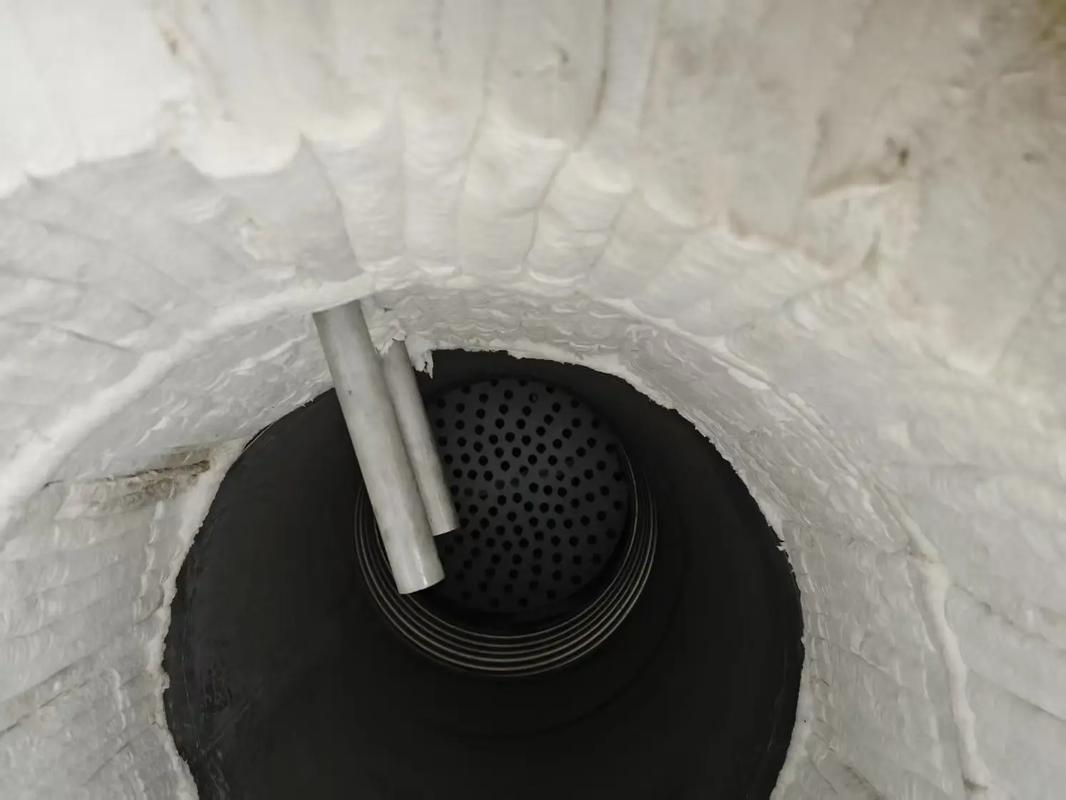
After the modules are fixed, remove the center tubes and release the temporary packaging ties according to the installation requirements. Ensure that the module folds remain properly positioned and that no gaps are created.
8. Compensation Blanket Installation
Install compensation blankets between module rows or at the designed expansion areas. The compensation blanket should have the same or a compatible temperature rating as the ceramic fiber modules.
The blanket should be installed in the non-expansion direction and fixed with U-shaped nails or other approved fasteners.
The correct compression thickness should be determined according to the module spacing, blanket recovery rate, design drawings, and the manufacturer’s installation recommendations. Excessive compression may reduce insulation performance, while insufficient compression may leave gaps and allow hot gas penetration.
9. Surface Finishing
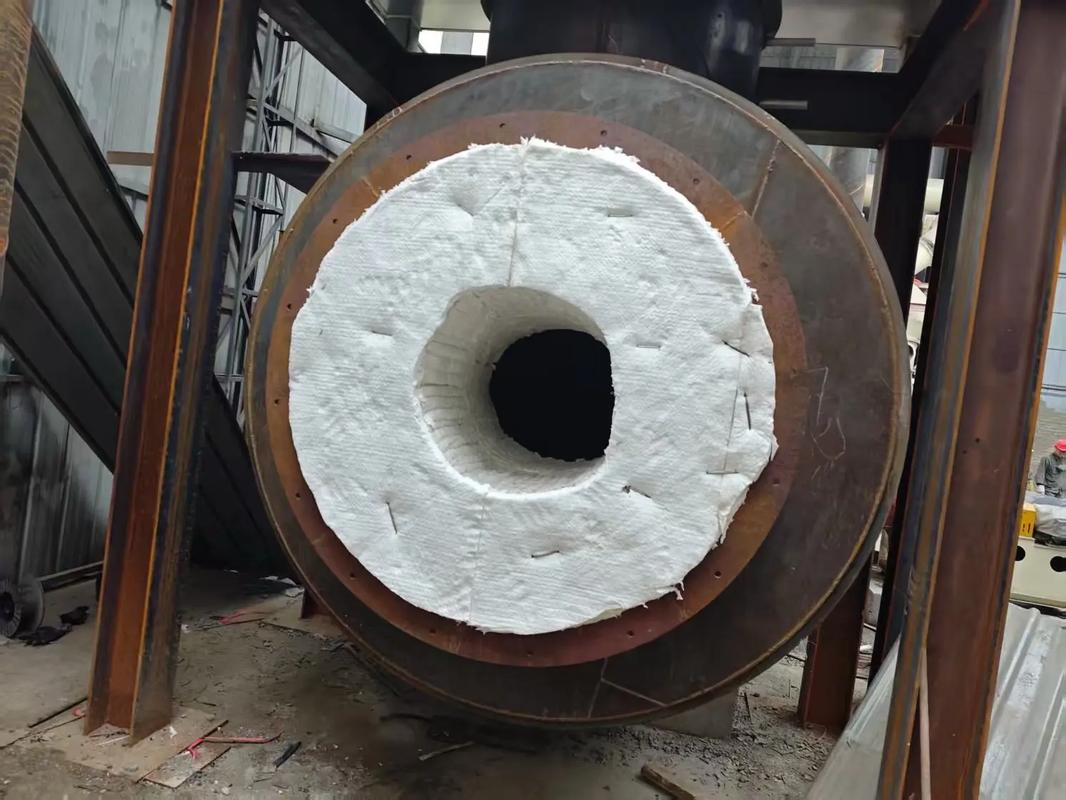
Use a wooden board or similar tool to level the module surface and ensure a uniform lining appearance.
Fill gaps larger than 5 mm with suitable ceramic fiber material. Carefully inspect corners, sleeve holes, anchor areas, and other difficult sections to ensure continuous insulation coverage.
10. Curing Agent Application
Spray a suitable curing agent onto the exposed ceramic fiber surface to improve resistance to wind erosion and airflow abrasion. The typical consumption is approximately 1.5 kg/m², subject to the product specification and site conditions.
The curing agent should be applied evenly, and the lining should be inspected before commissioning.
Anchor Bolt Welding Quality Inspection
Anchor bolt welding is critical to the stability of the ceramic fiber module lining. Inspection should include:
- Correct bolt position and spacing
- Adequate weld size and continuity
- No visible cracks, pores, or incomplete fusion
- Firm connection between the anchor and furnace shell
- Correct bolt direction and thread condition
Any defective weld should be repaired and re-inspected before insulation installation.
Final Quality Inspection
Before commissioning the hot blast stove, check the following:
- Modules are securely fixed
- No obvious gaps exist between modules
- Compensation blankets are correctly compressed
- Folding directions are properly arranged
- Corners, openings, and anchor areas are fully insulated
- The lining surface is even and free from loose fibers
- The curing agent has been applied as required
Although ceramic fiber modules generally do not require traditional drying or curing like castable linings, the hot blast stove must still follow the specified commissioning and heating procedure.
Why Choose Mindelun?
Mindelun supplies customized ceramic fiber insulation modules for hot blast stoves, industrial furnaces, kilns, and other high-temperature applications. We support customers with:
- Customized module dimensions and folding directions
- Suitable temperature grades and fiber materials
- Backing blankets and compensation blankets
- OEM and ODM production
- Technical selection and one-stop insulation supply
As a professional ceramic fiber module supplier, Mindelun focuses on reliable quality, practical insulation solutions, and efficient project support.
Frequently Asked Questions
Frequently Asked Questions
What Are Ceramic Fiber Insulation Modules Used For?
Ceramic fiber insulation modules are mainly used for high-temperature insulation in hot blast stoves, industrial furnaces, kilns, and other thermal processing equipment. They help reduce heat loss while providing lightweight and efficient furnace lining insulation.
Why Is a Backing Blanket Required?
The backing blanket helps improve insulation continuity, reduce heat loss, and compensate for irregularities between the furnace wall and ceramic fiber modules.
How Thick Should the Compensation Blanket Be?
Its thickness should be calculated according to the module spacing, expected expansion, blanket recovery, and project design requirements.
What Happens If Anchor Bolts Are Poorly Welded?
Poor welding may cause anchor failure, module detachment, hot gas penetration, and damage to the furnace lining.
Can Ceramic Fiber Modules Be Used Immediately After Installation?
Ceramic fiber modules generally do not require castable-style drying. However, the equipment should still follow the recommended inspection, commissioning, and heating procedures.
Can Mindelun Customize Ceramic Fiber Modules?
Yes. Mindelun can customize module size, density, temperature grade, folding direction, anchoring method, packaging, and other specifications according to project requirements.
Is Mindelun a Ceramic Fiber Module Manufacturer?
Yes. Mindelun is a professional ceramic fiber module manufacturer in China, supplying customized modules for hot blast stoves, industrial furnaces, kilns, and other high-temperature applications. We support customized dimensions, folding directions, temperature grades, anchoring configurations, and packaging.
Is Mindelun a Ceramic Fiber Module Supplier?
Yes. As a professional ceramic fiber module supplier, Mindelun provides factory-direct B2B supply for distributors, contractors, furnace manufacturers, trading companies, and industrial buyers. OEM/ODM production and customized orders are available.
Does Mindelun Have a Ceramic Fiber Module Factory?
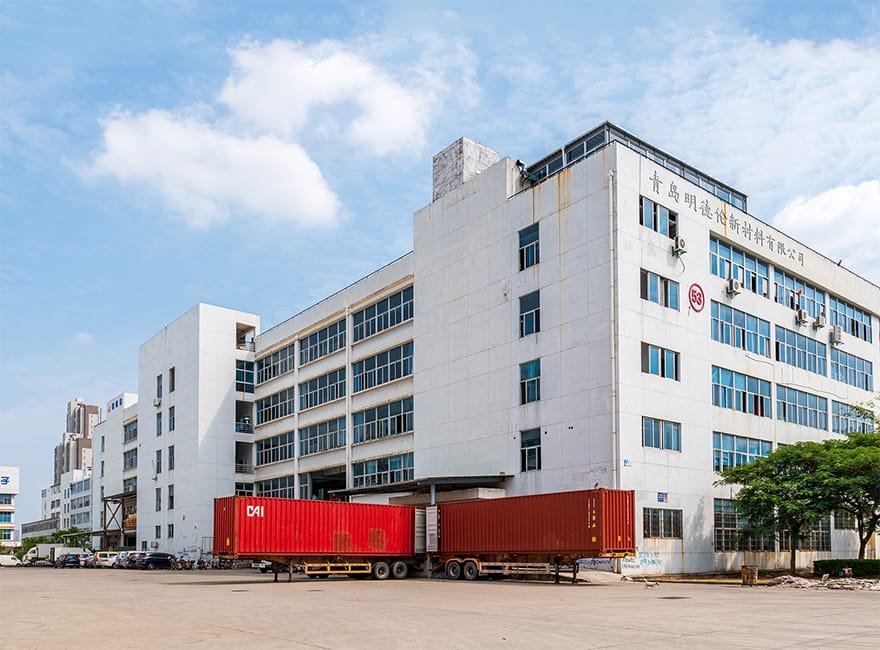
Yes. Mindelun operates a ceramic fiber module factory in China supporting customized production, quality control, packaging, and international B2B export supply. Customers can source ceramic fiber modules directly for industrial furnace and hot blast stove projects.
Can I Buy Ceramic Fiber Modules Wholesale from China?
Yes. Mindelun provides ceramic fiber module wholesale for distributors, contractors, industrial buyers, and large furnace projects. Bulk orders can be customized according to module size, density, temperature grade, folding direction, packaging, and project requirements.
What Information Is Needed for a Ceramic Fiber Module Quotation?
For an accurate quotation, customers can provide the furnace application, operating temperature, module dimensions, density, quantity, folding direction, anchoring requirements, packaging, and delivery destination. Drawings or existing module specifications are also helpful for customized production.
Conclusion
Correct installation is essential for the performance and service life of a hot blast stove lining. From furnace wall preparation and anchor bolt welding to module fixing, compensation blanket installation, and final inspection, every step should follow the approved drawings and technical requirements.
With customized ceramic fiber modules, professional technical support, and one-stop insulation supply, Mindelun helps customers improve thermal efficiency, reduce heat loss, and maintain reliable high-temperature equipment performance.