Industrial furnaces, heat treatment systems, and other high-temperature equipment require insulation materials that can withstand demanding thermal conditions. Ceramic fiber bulk for high temperature equipment provides a flexible insulation option for selected filling, refractory joint packing, and specialty insulation manufacturing applications.
For industrial equipment manufacturers, refractory contractors, and insulation distributors, sourcing from a reliable ceramic fiber bulk factory helps support consistent specifications and efficient procurement. A qualified ceramic fiber bulk OEM supplier may also offer customized packaging, private-label arrangements, and coordinated supply options for eligible products.
MDLINSULATION serves B2B customers in the industrial thermal insulation market. This guide explains the applications of ceramic fiber bulk, important material selection criteria, and what buyers should consider when sourcing from a manufacturer.
What Is Ceramic Fiber Bulk?
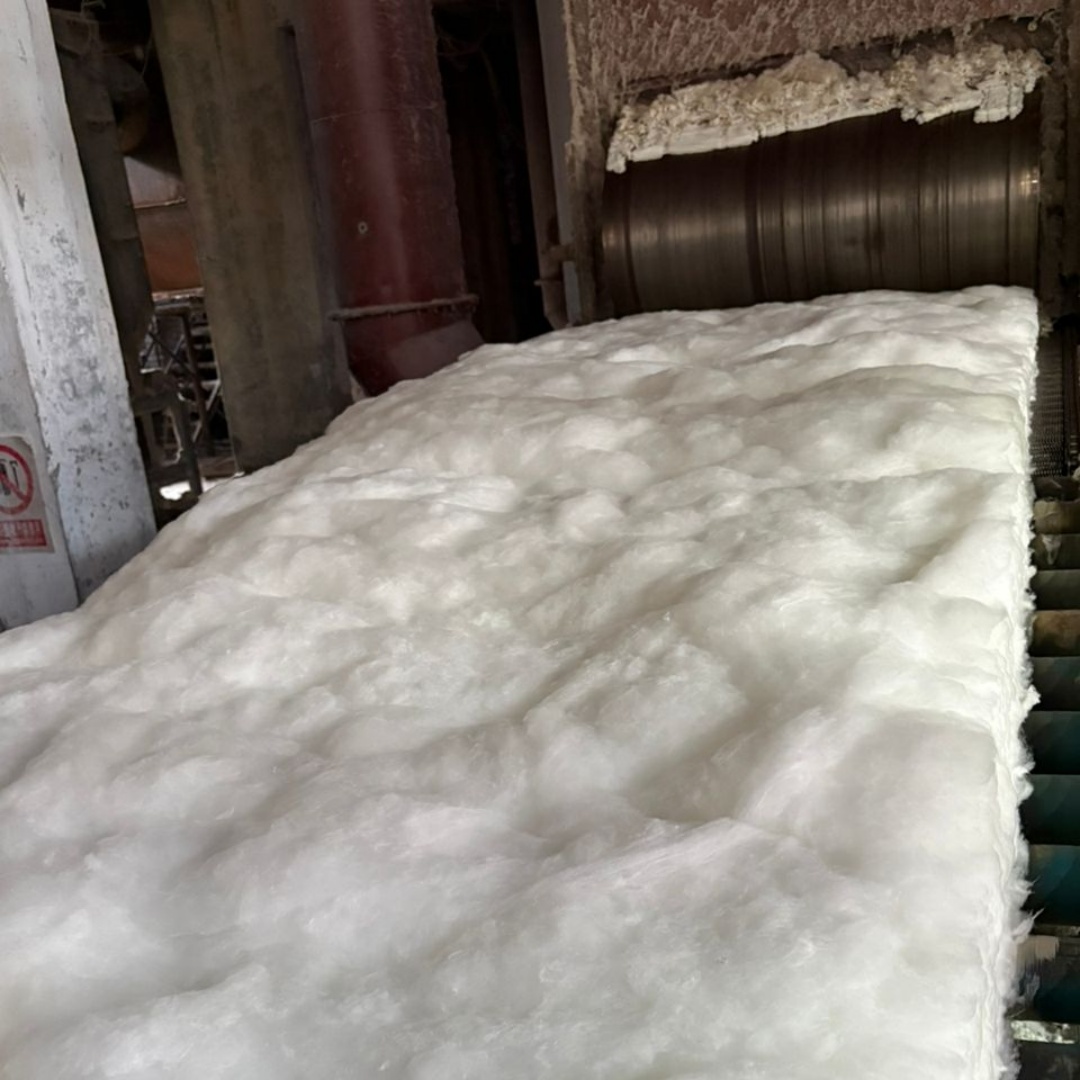
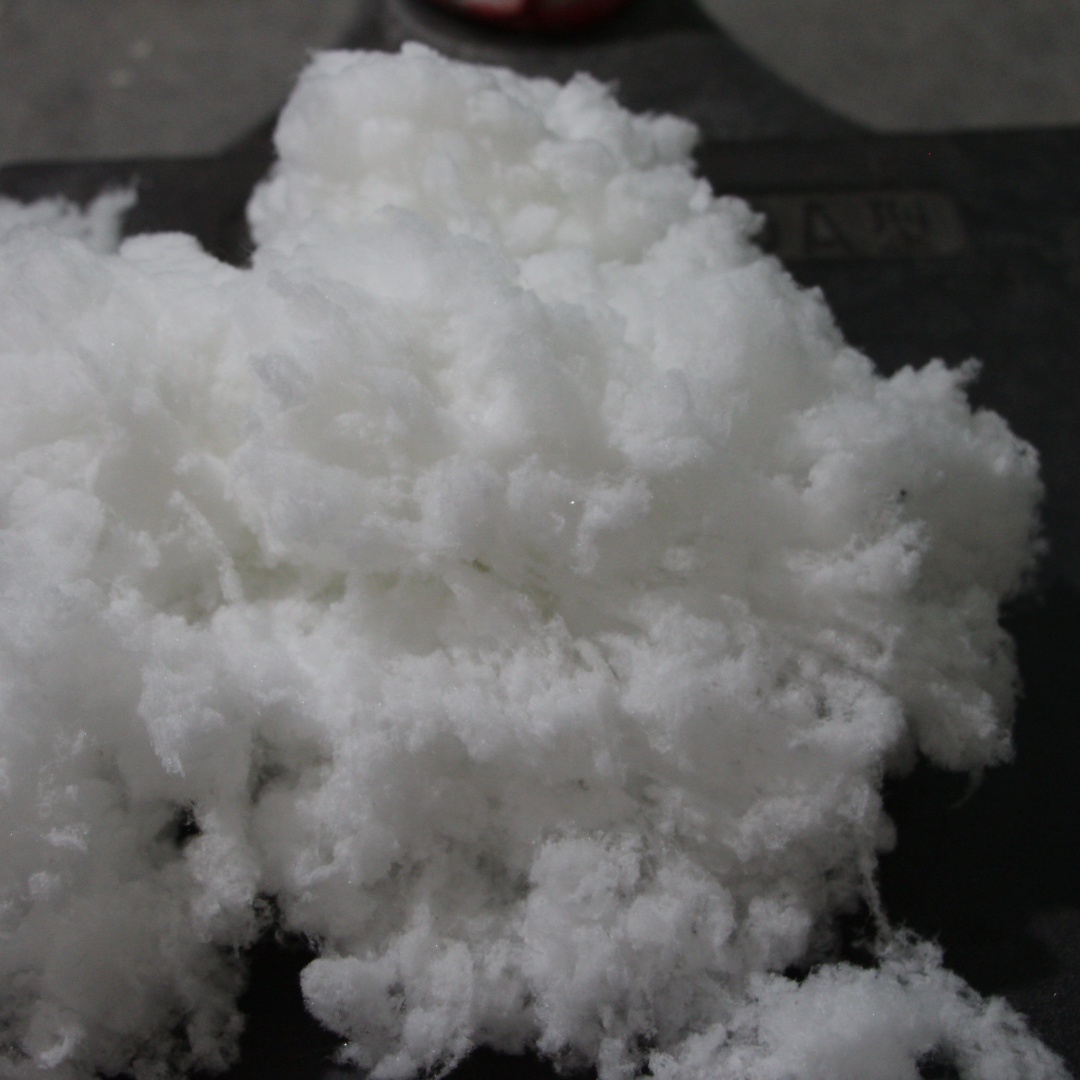
Ceramic fiber bulk is a loose, unformed refractory insulation material generally made from alumina-silica fibers. Depending on the product grade and manufacturing process, it may be supplied as spun or chopped fiber for suitable industrial applications.
Unlike preformed ceramic fiber blankets, boards, and papers, ceramic fiber bulk can be used in selected irregular cavities and specialized manufacturing processes where loose fibers are required.
Key characteristics of suitable ceramic fiber bulk include:
- High-temperature resistance: Different grades are designed for different temperature classifications.
- Thermal insulation: Helps reduce heat transfer when correctly selected and installed.
- Low heat storage: Can support efficient thermal cycling in appropriately designed equipment.
- Flexible application: Suitable for specified filling, packing, and specialty processing applications.
- Manufacturing versatility: Can serve as a raw material for selected vacuum-formed insulation components.
Actual performance depends on fiber composition, temperature, furnace atmosphere, installation conditions, and exposure time. Classification temperature should not be interpreted as the recommended continuous operating temperature.
Applications of Ceramic Fiber Bulk for High Temperature Equipment
The suitability of ceramic fiber bulk depends on equipment design, operating conditions, and the intended installation method.
1. Industrial Furnaces and Kilns
Industrial furnaces and kilns require insulation systems designed to control heat loss and withstand repeated heating cycles. Ceramic fiber bulk may be used in suitable cavity-filling, joint-packing, and other applications specified by the furnace designer.
Typical applications include selected ceramic kilns, annealing furnaces, heat treatment furnaces, and industrial thermal processing equipment.
The fiber grade should be selected according to operating temperature, atmosphere, and the required insulation performance.
2. Heat Treatment and Process Heating Equipment
Heat treatment equipment may operate under demanding thermal conditions and require insulation around selected joints, openings, and structural interfaces.
Ceramic fiber bulk for heat treatment furnaces can be considered where flexible fiber insulation is appropriate. Buyers should evaluate peak temperature, continuous service conditions, exposure duration, and potential chemical contamination before specifying the material.
3. Expansion Joints and Thermal Sealing
Industrial equipment expands and contracts during heating and cooling. In suitable engineered designs, ceramic fiber bulk can serve as packing material in selected expansion joints and thermal sealing structures.
Correct installation density and compression are important. Loose fiber should not be treated as a universal replacement for engineered gaskets or other purpose-designed sealing components.
4. Customized Fiber Insulation Components
Ceramic fiber bulk can serve as a raw material for selected vacuum-formed shapes and other specialty insulation components.
For customized applications, the required fiber composition, component dimensions, density, and operating conditions should be established before production. Buyers should confirm that the selected fiber grade is compatible with the intended manufacturing process.
How to Evaluate a Ceramic Fiber Bulk Factory
Choosing a ceramic fiber bulk factory involves more than comparing unit prices. Product consistency, technical documentation, packaging, and production arrangements can all influence purchasing decisions.
Product Specifications and Quality Control
Before placing an order, confirm the fiber grade, chemical composition, temperature classification, and relevant technical parameters.
Depending on the application, buyers may request:
- Product technical data sheets.
- Chemical composition and applicable material specifications.
- Relevant quality inspection records.
- Batch identification and packaging information.
- Confirmation of agreed product requirements.
A clear specification helps both parties reduce misunderstandings and maintain consistency across repeat orders.
Manufacturing Capability and Supply Planning
For distributors and industrial equipment manufacturers, reliable supply planning is important when managing projects or replenishing inventory.
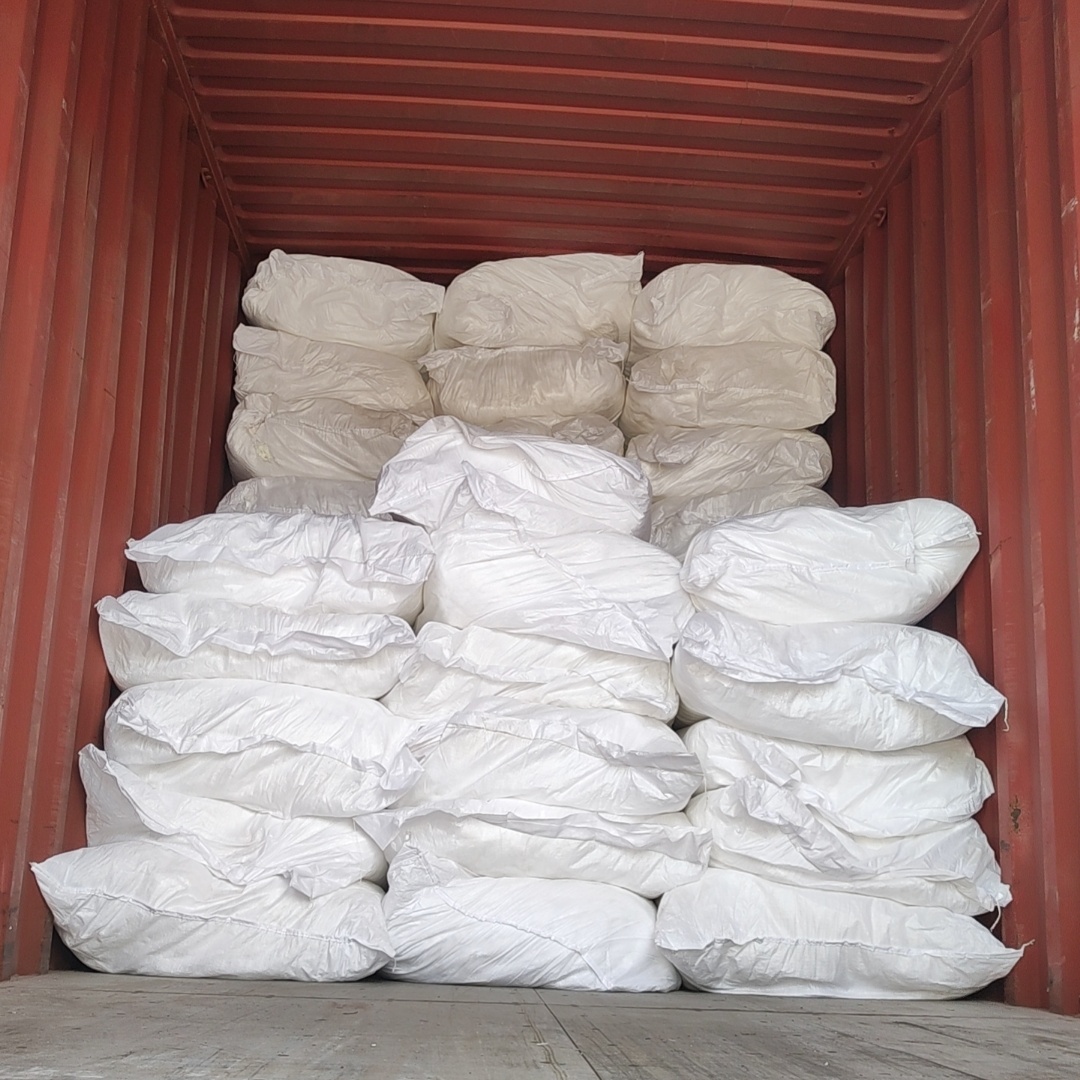
Discuss minimum order quantities, production lead times, bag weights, palletization, export packaging, and shipment arrangements before confirming the order.
For repeat purchases, keeping the same agreed product specifications and packaging requirements can simplify procurement and incoming quality checks.
Technical Communication
A capable supplier should be able to review the intended application and clarify the information required for material selection.
Provide the equipment type, operating temperature, installation method, expected quantity, and any project-specific standards. This information helps the supplier evaluate whether the proposed grade is appropriate.
Ceramic Fiber Bulk OEM Supplier: Options for Distributors and Manufacturers
Working with a ceramic fiber bulk OEM supplier can help insulation distributors, industrial brands, and equipment manufacturers coordinate purchasing and product presentation requirements.
Depending on the supplier’s actual capabilities, order volume, and project requirements, potential OEM arrangements may include:
Customized packaging: Packaging specifications, bag weights, labeling, and pallet requirements agreed upon before production.
Private-label supply: Brand labeling and packaging arrangements for eligible products, subject to approval and production capability.
Product specification coordination: Agreement on fiber grade, technical parameters, inspection requirements, and documentation.
Customized insulation components: Selected fiber-based components may be developed when the required forming process and technical capabilities are available.
Coordinated insulation sourcing: Buyers may discuss sourcing related insulation products together, subject to availability and order requirements.
OEM and ODM availability should always be confirmed for the specific product. Customized packaging does not automatically mean that a product’s material composition or performance can be modified.
Ceramic Fiber Bulk vs. Blanket, Board, and Paper
Choosing the correct product form can improve installation efficiency and help avoid unnecessary material costs.
| Product | Typical Application |
|---|---|
| Ceramic fiber bulk | Suitable loose-fiber filling, packing, and selected manufacturing processes |
| Ceramic fiber blanket | Flexible insulation layers and furnace lining systems |
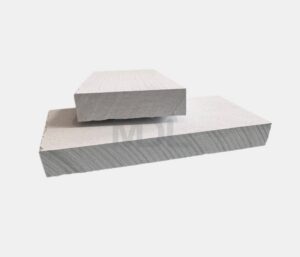
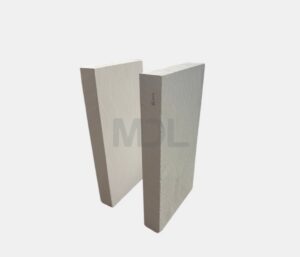
| Ceramic fiber board | Rigid, preformed insulation components |
| Ceramic fiber paper | Thin insulation layers, gaskets, and selected sealing applications |
These products serve different functions and should not be considered interchangeable in every application.
For related thermal insulation solutions, explore our Ceramic Fiber Blanket, Ceramic Fiber Board, and Ceramic Fiber Paper products.
How to Request a Ceramic Fiber Bulk Quotation
A detailed request for quotation (RFQ) helps a ceramic fiber bulk manufacturer evaluate the requirements and prepare a more accurate proposal.
When contacting a supplier, provide the following information whenever possible:
- Application: Industrial furnace, kiln, heat treatment equipment, expansion joint, or specialty component.
- Operating temperature: Normal service temperature and peak temperature.
- Material grade: Required fiber grade, composition, or technical standard.
- Quantity: Required weight and expected repeat-order volume.
- Packaging: Bag weight, palletization, labeling, and export packaging.
- OEM requirements: Private-label packaging, documentation, and applicable customization needs.
- Destination: Country or port of delivery and requested schedule.
For distributors, sharing estimated annual demand can also help suppliers evaluate repeat-order planning and packaging requirements.
Frequently Asked Questions
What is ceramic fiber bulk used for in high-temperature equipment?
It is used in suitable loose-fiber filling, joint packing, selected thermal sealing applications, and the manufacture of certain formed fiber insulation components. Application suitability depends on material grade and operating conditions.
How do I choose a ceramic fiber bulk factory?
Evaluate product specifications, quality-control procedures, available documentation, packaging options, supply capability, and technical communication. Confirm that the factory can meet your required specifications and delivery arrangements.
Can a ceramic fiber bulk OEM supplier provide private-label packaging?
Private-label packaging may be available depending on the supplier’s capabilities, order quantity, and product requirements. Confirm artwork, labeling, packaging specifications, and approval procedures before production.
What temperature can ceramic fiber bulk withstand?
Temperature capability varies by fiber grade and application. Buyers should distinguish classification temperature from continuous service temperature and obtain the manufacturer’s technical recommendations for the intended operating environment.
What information is needed for bulk purchasing?
Provide the application, operating temperature, required grade, quantity, packaging requirements, destination, and any OEM specifications. Complete information helps reduce quotation delays and clarification rounds.
Contact MDLINSULATION for Ceramic Fiber Insulation Supply
Looking for ceramic fiber bulk for high temperature equipment, a ceramic fiber bulk factory for regular purchasing, or a ceramic fiber bulk OEM supplier for your insulation business?
MDLINSULATION welcomes inquiries from insulation distributors, industrial equipment manufacturers, refractory contractors, and other B2B buyers.
Share your application details, operating temperature, required specifications, and estimated quantity to discuss suitable insulation materials and supply options.
Contact MDLINSULATION today to request a quotation for your industrial insulation requirements.