
Calcium Silicate Board Applications: Industrial, Building and Fire Protection Uses
Calcium silicate board is a rigid insulation material widely used in industrial equipment, hot pipelines, building systems, and selected fire-protection applications. Its thermal insulation performance, mechanical strength, and inorganic composition make it suitable for different operating environments.
However, not all calcium silicate insulation boards have the same density, temperature rating, thickness, or mechanical properties. Selecting the right product requires understanding the application and actual service conditions.
In this guide, we explore the main calcium silicate board applications and explain how to choose the right grade for industrial insulation, pipeline systems, building projects, and fire protection.
1. Industrial High-Temperature Equipment Insulation
Industrial thermal insulation is one of the major applications of calcium silicate board. Rigid calcium silicate insulation boards are used in selected boilers, industrial furnaces, reactors, and thermal processing equipment.
Power Plant Boilers
Calcium silicate insulation boards can be used on suitable boiler components, hot equipment surfaces, and auxiliary thermal systems. They help reduce heat loss, maintain operating temperatures, and improve energy efficiency.
The required density and thickness depend on equipment temperature, mechanical loading, installation space, and the overall insulation system design.
Industrial Furnaces and Kilns
In industrial furnaces, calcium silicate boards can serve as rigid insulation or backup insulation layers behind suitable refractory linings.
For higher-temperature furnace zones, calcium silicate board may be combined with ceramic fiber products. The material arrangement should be selected according to temperature distribution, furnace structure, and thermal expansion requirements.
Explore Mindelun’s Low Density Calcium Silicate Board for lightweight industrial insulation applications.
High-Temperature Reactors and Process Equipment
In chemical and petrochemical facilities, calcium silicate insulation may be used on compatible hot equipment and process systems.
The selected grade should be evaluated according to operating temperature, chemical exposure, moisture conditions, and mechanical requirements.
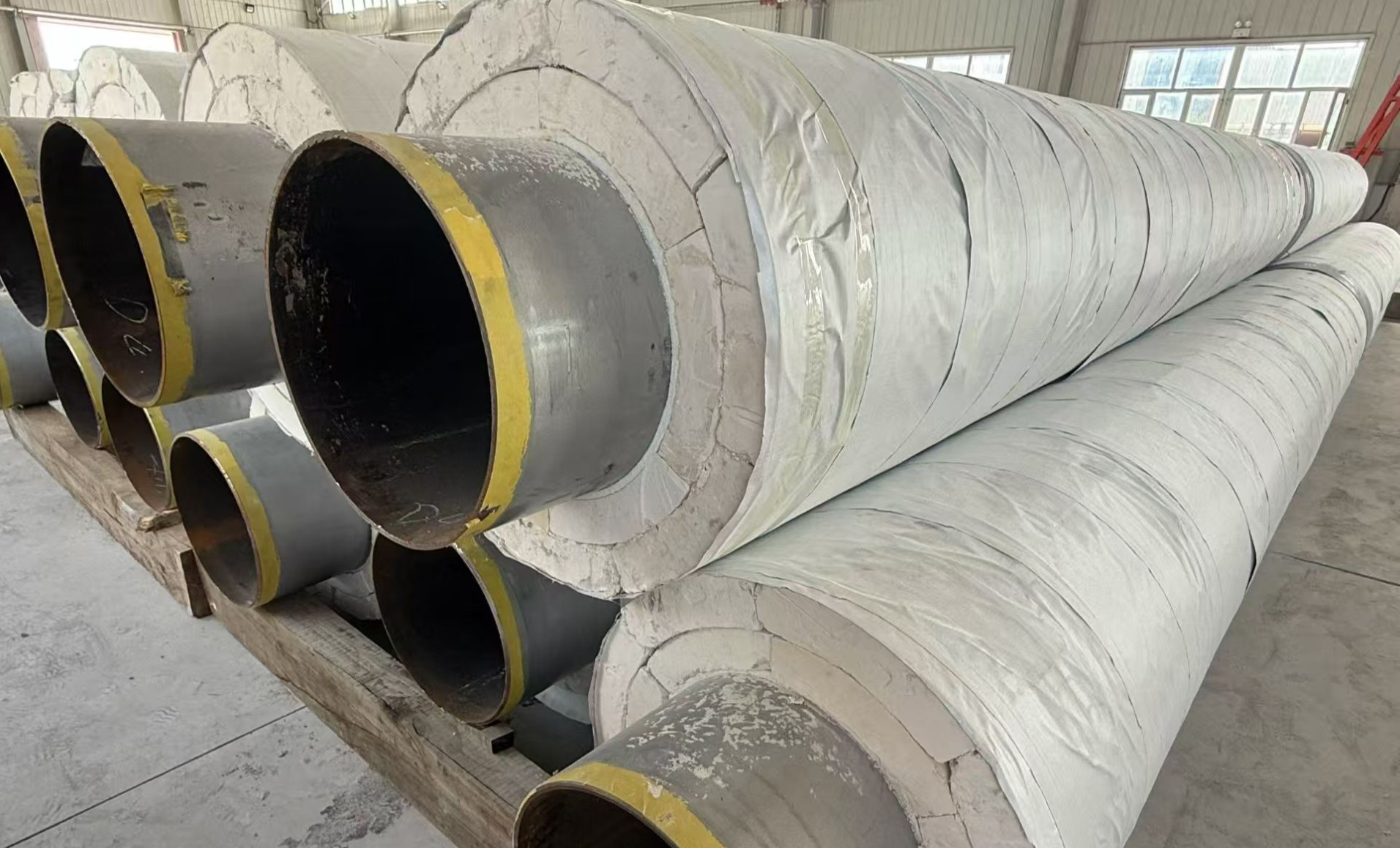
2. Calcium Silicate Pipe Insulation for Industrial Pipelines
Calcium silicate insulation is also used in selected industrial piping systems, including steam lines, hot process pipelines, and thermal equipment connections.
Its rigid structure helps maintain insulation thickness and provides mechanical stability in suitable installations.
Important selection factors include:
- Operating and maximum service temperature
- Pipe outside diameter
- Required insulation thickness
- Mechanical loading and pipe support conditions
- Outdoor exposure and weather protection
- Joint sealing and metal jacketing
For hot pipelines, preformed calcium silicate pipe sections are often more suitable than flat boards because they are designed to fit around cylindrical pipes.
Explore Mindelun’s Calcium Silicate Pipe Insulation for rigid pipe insulation applications.
Outdoor pipelines require appropriate weatherproof cladding and moisture protection. Water ingress should be prevented to help maintain insulation performance and reduce the risk of corrosion under insulation (CUI).
For underground district heating pipelines, calcium silicate should not be treated as a universal direct-burial insulation material. The complete pre-insulated pipe system, operating temperature, waterproof outer casing, and applicable engineering requirements must be evaluated.
For additional technical reference, see ASTM C533 – Standard Specification for Calcium Silicate Block and Pipe Thermal Insulation. This standard addresses calcium silicate block and pipe insulation rather than every type of calcium silicate board.
3. Building Wall and Roof Insulation
Calcium silicate products are also used in selected building applications, including interior partitions, ceilings, wall linings, and roof-related insulation or protection systems.
It is important to distinguish construction-grade calcium silicate boards from industrial thermal insulation boards.
Construction boards are generally selected according to:
- Board thickness and dimensions
- Moisture resistance
- Fire-test performance
- Fixing and framing systems
- Indoor or outdoor exposure
- Surface finishing requirements
Construction-grade boards should be selected for the intended building system rather than assuming that an industrial insulation board can replace a tested building board.
For building projects, explore Mindelun Construction Calcium Silicate Board.
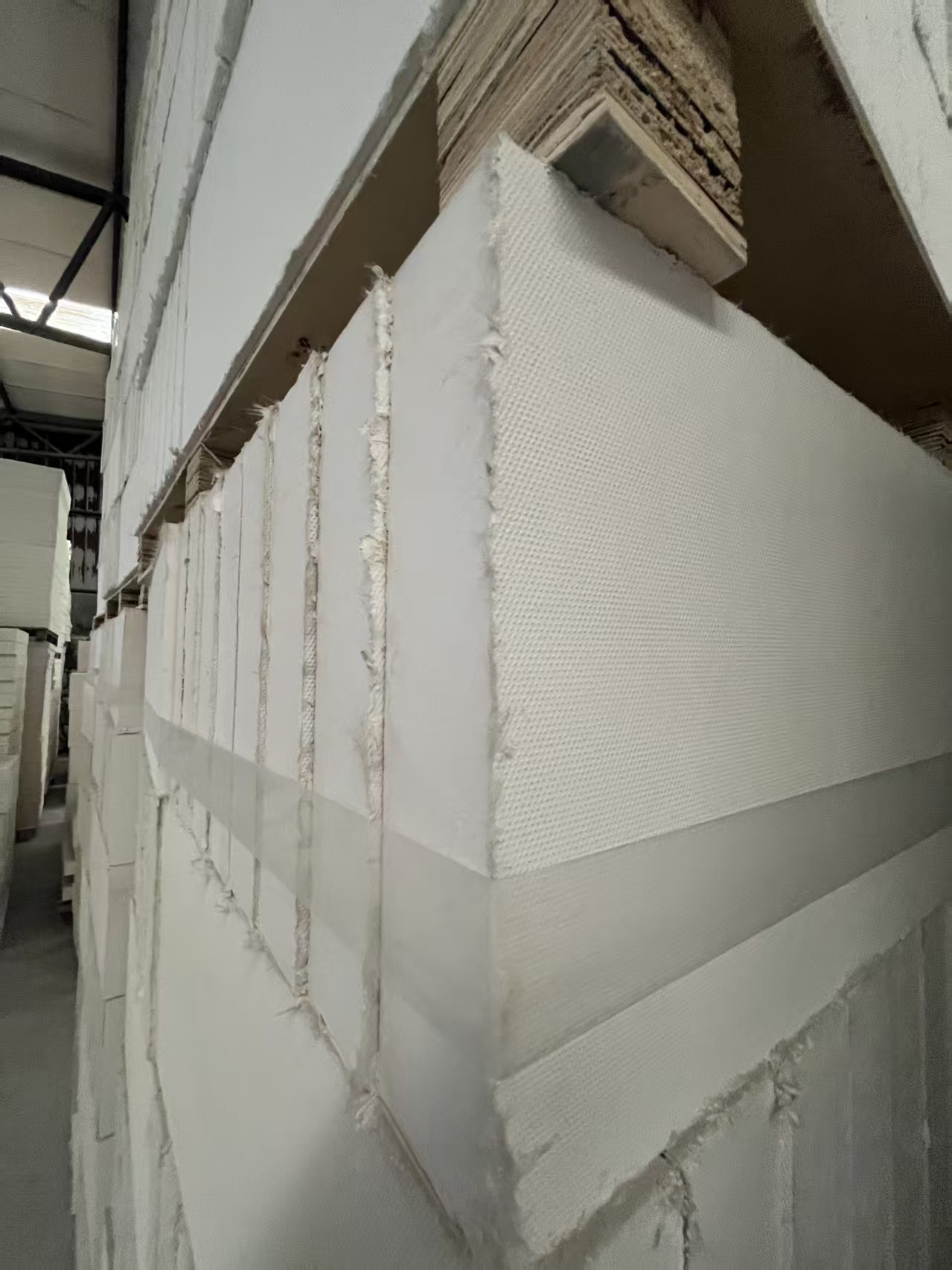
4. Calcium Silicate Board for Fire Protection
Calcium silicate boards are used in selected passive fire-protection systems because they are made from inorganic materials and can provide non-combustible protection when properly specified.
Typical applications may include:
- Fire-resistant wall and partition systems
- Ceiling protection
- Protective enclosures
- Equipment shields
- Fire-protection panels around selected structures
However, a board’s material properties alone do not establish the fire-resistance rating of a complete wall, ceiling, door, or structural assembly.
Fire performance depends on board thickness, density, joints, fixing methods, supporting structure, and the tested system configuration. Buyers should request relevant fire-test reports and certifications for the intended application.
For structural insulating board applications, refer to ASTM C656 – Standard Specification for Structural Insulating Board, Calcium Silicate. This standard covers structural insulating boards for general thermal insulation, fire-resistive, and marine bulkhead applications.
5. Shipbuilding and Special Structural Applications
In marine and offshore environments, calcium silicate boards may be considered for selected thermal insulation and fire-protection components.
Before using the material in ship compartments or bulkhead systems, buyers should confirm:
- Applicable marine fire-protection requirements
- Required certification and approval
- Moisture and condensation exposure
- Mechanical vibration and impact
- Fixing and joint-sealing methods
Road noise barriers and acoustic ceilings are separate acoustic-engineering applications. Calcium silicate board should only be specified for these systems when the complete assembly has suitable sound absorption or sound insulation test data.
Thermal insulation performance does not automatically mean acoustic performance.
6. How to Choose the Right Calcium Silicate Insulation Board
The right calcium silicate board should be selected according to the actual application, not simply by choosing the highest density or thickest board.
Density and Mechanical Strength
Density is an important selection factor, but higher density does not always mean better thermal insulation.
Lower-density boards may be preferred when reducing insulation weight and thermal conductivity is important. Higher-density grades may be selected when greater compressive strength, dimensional stability, or machining performance is required.
Some standard industrial insulation boards are available in density ranges around 170–270 kg/m³, while other reinforced or medium-density grades may have substantially higher densities.
Always compare the technical data of the specific product grade.
For more details, read our guide: Calcium Silicate Board Density: How to Choose the Right Grade.
Operating Temperature
Calcium silicate boards are available in different temperature classifications. Depending on the product formulation, some grades are designed for approximately 650°C service, while other specialized grades may have higher temperature classifications.
A classification temperature is not necessarily the recommended continuous operating temperature. Buyers should check the technical data sheet, test conditions, and manufacturer’s service recommendations.
Board Thickness
Insulation thickness is determined by operating temperature, thermal conductivity, heat-loss targets, surface-temperature requirements, and available installation space.
Industrial insulation boards may be supplied in thicknesses such as 20 mm, 25 mm, 30 mm, 50 mm, or more, depending on the grade and manufacturing capability.
A thickness of 30 mm or above may be suitable for some equipment insulation projects, but it is not a universal requirement. The correct thickness should be determined for each application.
Moisture and Installation Conditions
Calcium silicate insulation can absorb moisture. Prolonged moisture exposure can affect insulation performance and installation durability.
For outdoor or humid environments, consider protective cladding, sealed joints, suitable coatings where available, and proper drainage.
Calcium silicate boards are rigid and relatively brittle compared with flexible insulation blankets. Handle them carefully during storage, cutting, transportation, and installation to avoid cracking and edge damage.
7. Calcium Silicate Board vs. Other Insulation Materials
Different insulation materials serve different purposes.
| Material | Main Characteristics | Typical Applications |
|---|---|---|
| Calcium Silicate Board | Rigid structure, mechanical strength, thermal insulation | Boilers, equipment, selected pipelines and fire-protection systems |
| Ceramic Fiber Board | Lightweight, high-temperature resistance | Furnace linings and rigid high-temperature insulation |
| Ceramic Fiber Blanket | Flexible, lightweight, easy to wrap | Furnace walls, irregular equipment surfaces and hot pipes |
| Rock Wool Board | Thermal and acoustic insulation | Walls, roofs and selected industrial systems |
| Nano Aerogel Blanket | Very low thermal conductivity, thin insulation design | Space-limited pipelines and equipment |
For applications requiring lightweight and flexible high-temperature insulation, explore Mindelun Ceramic Fiber Blanket.
8. Calcium Silicate Insulation Products from Mindelun
Mindelun supplies calcium silicate insulation products for industrial and building applications.
Our product range includes:
- Low Density Calcium Silicate Board
- Medium Density Calcium Silicate Board
- Glass Fiber Reinforced Calcium Silicate Board
- Carbon Fiber Reinforced Calcium Silicate Board
- Construction Calcium Silicate Board
- Calcium Silicate Pipe and Preformed Pipe Covering
We support industrial distributors, contractors, equipment manufacturers, and project buyers with product specification review, customized dimensions, OEM and ODM options, and export supply.
The right product can be selected according to density, temperature grade, thickness, mechanical requirements, and installation conditions.
Explore the complete Calcium Silicate Insulation Product Range.
Frequently Asked Questions
What is calcium silicate board mainly used for?
Calcium silicate board is used for thermal insulation, selected fire-protection systems, and building applications. Common uses include industrial boilers, furnaces, hot pipelines, equipment insulation, walls, and ceilings.
Can calcium silicate board be used at 650°C or 1050°C?
Different grades have different temperature classifications. Some products are designed for around 650°C, while specialized grades may have higher classifications. The correct temperature limit must be confirmed using the product technical data sheet.
What density is suitable for calcium silicate insulation?
There is no single suitable density for every application. Lower-density grades are often considered for lightweight thermal insulation, while higher-density and reinforced grades are selected when mechanical strength is more important.
Is calcium silicate board suitable for outdoor use?
It can be used in properly designed outdoor systems, but moisture protection and weatherproof cladding are important. Confirm whether the selected product has suitable moisture-resistance treatment.
Can calcium silicate board be used for fire-rated walls?
It may be used in suitable fire-protection assemblies. The fire-resistance rating must be verified through the relevant test report for the complete wall or ceiling system.
Is calcium silicate board suitable for sound insulation?
Some calcium silicate board systems may be incorporated into acoustic assemblies, but sound insulation and sound absorption depend on the complete construction. Request acoustic test data before specifying it for noise-control projects.
Is calcium silicate board brittle?
Yes. Calcium silicate board is a rigid material and can crack under excessive bending, impact, or improper handling. It should be stored flat, supported properly, and handled carefully during installation.
Request a Calcium Silicate Board Recommendation
Choosing the right calcium silicate board requires more than knowing the application name. Density, temperature, thickness, mechanical strength, moisture exposure, and installation conditions all affect product selection.
Contact Mindelun with your operating temperature, required dimensions, application, and estimated quantity. Our team can review your requirements and discuss suitable calcium silicate insulation options.
 English
 Arabic
 French
 German
 Spanish
 Portuguese
 Russian
 Indonesian