
Project Application | High-Temperature Insulation | Indonesia
Introducción
Furnace wall insulation is essential for reducing heat loss, protecting furnace structures, and maintaining stable operating conditions. For high-temperature industrial furnaces, the insulation material must provide reliable thermal performance while remaining practical to install.
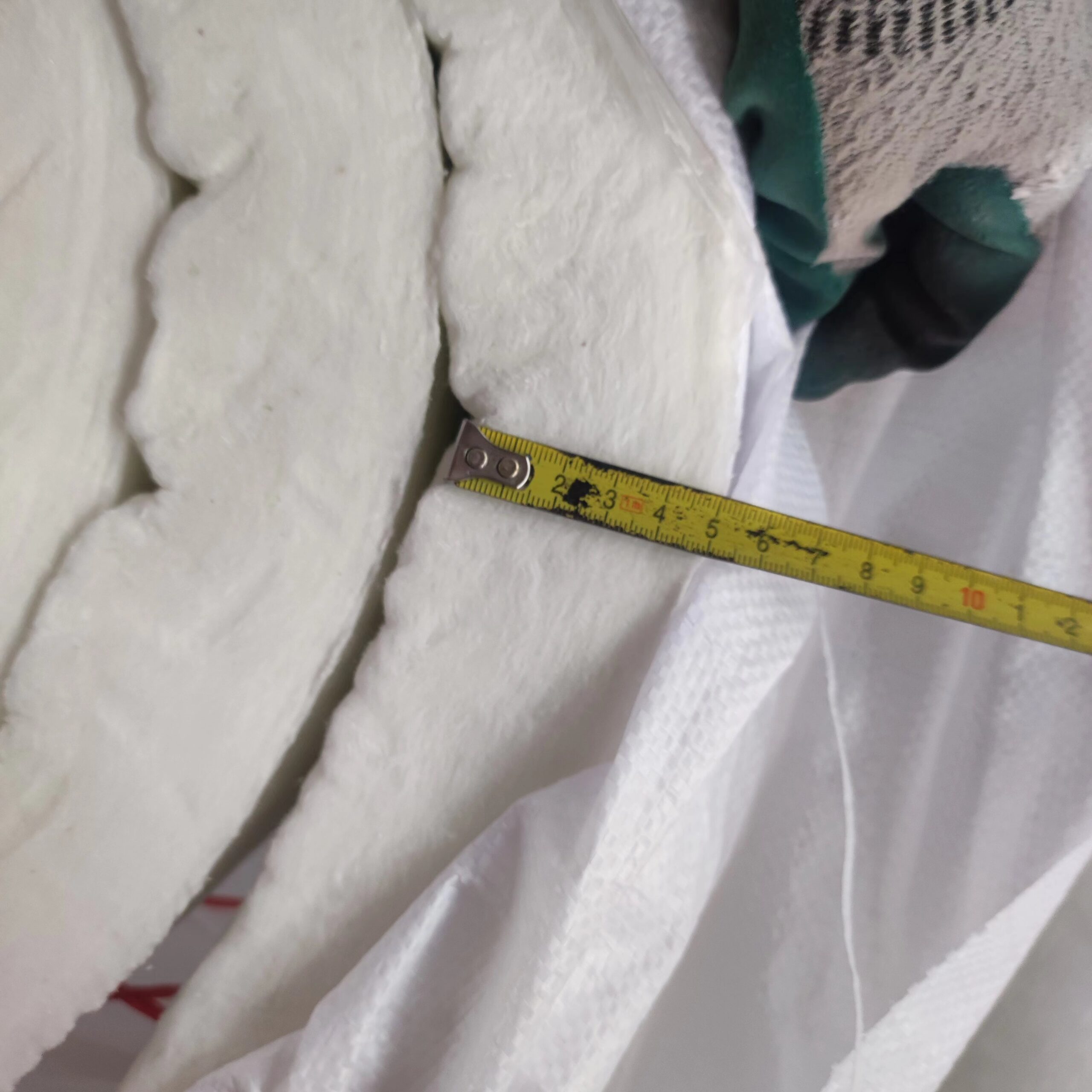
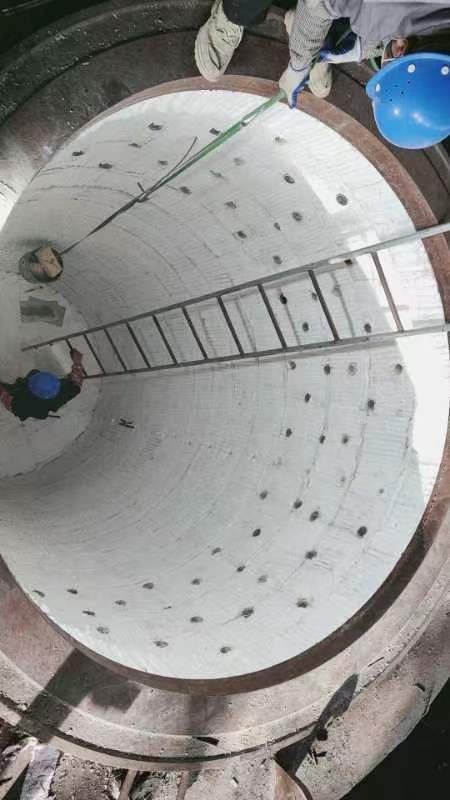
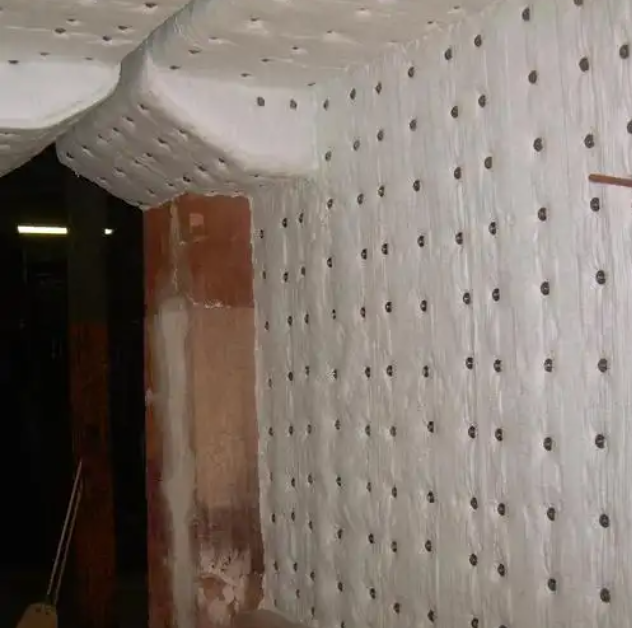
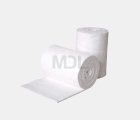
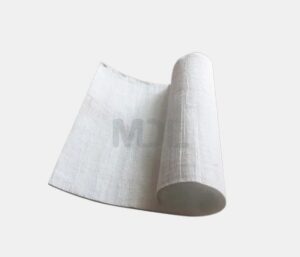
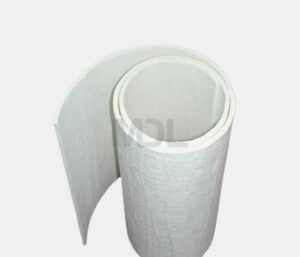
Mindelun New Materials recently supplied manta de fibra cerámica for an industrial furnace wall insulation project in Indonesia. The furnace wall temperature was up to 1260 °C, with 25 mm and 50 mm ceramic fiber blanket selected according to the insulation requirements
Indonesian Furnace Wall Insulation Project
| Proyecto | Details |
|---|---|
| Location | Indonesia |
| Solicitud | Furnace Wall Insulation |
| Temperatura | Hasta 1260 °C |
| Producto | Manta de fibra cerámica |
| Espesor | 25 mm y 50 mm |
| Supplier | Mindelun New Materials |
1. Why Use Manta de fibra cerámica for Furnace Walls?
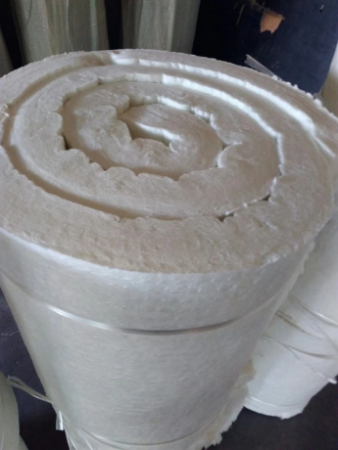
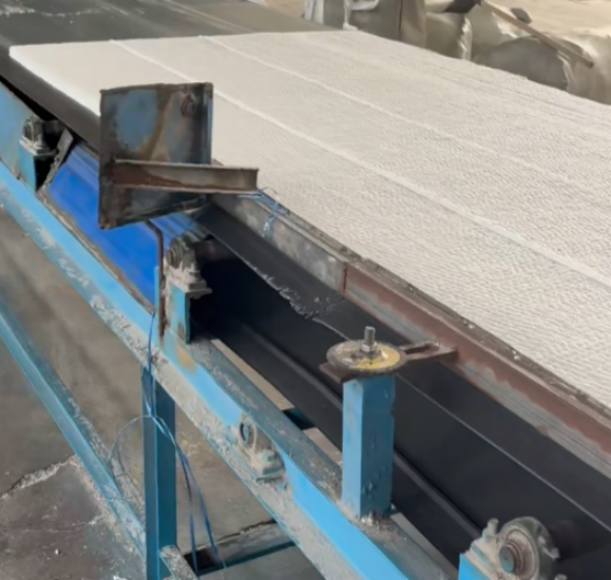
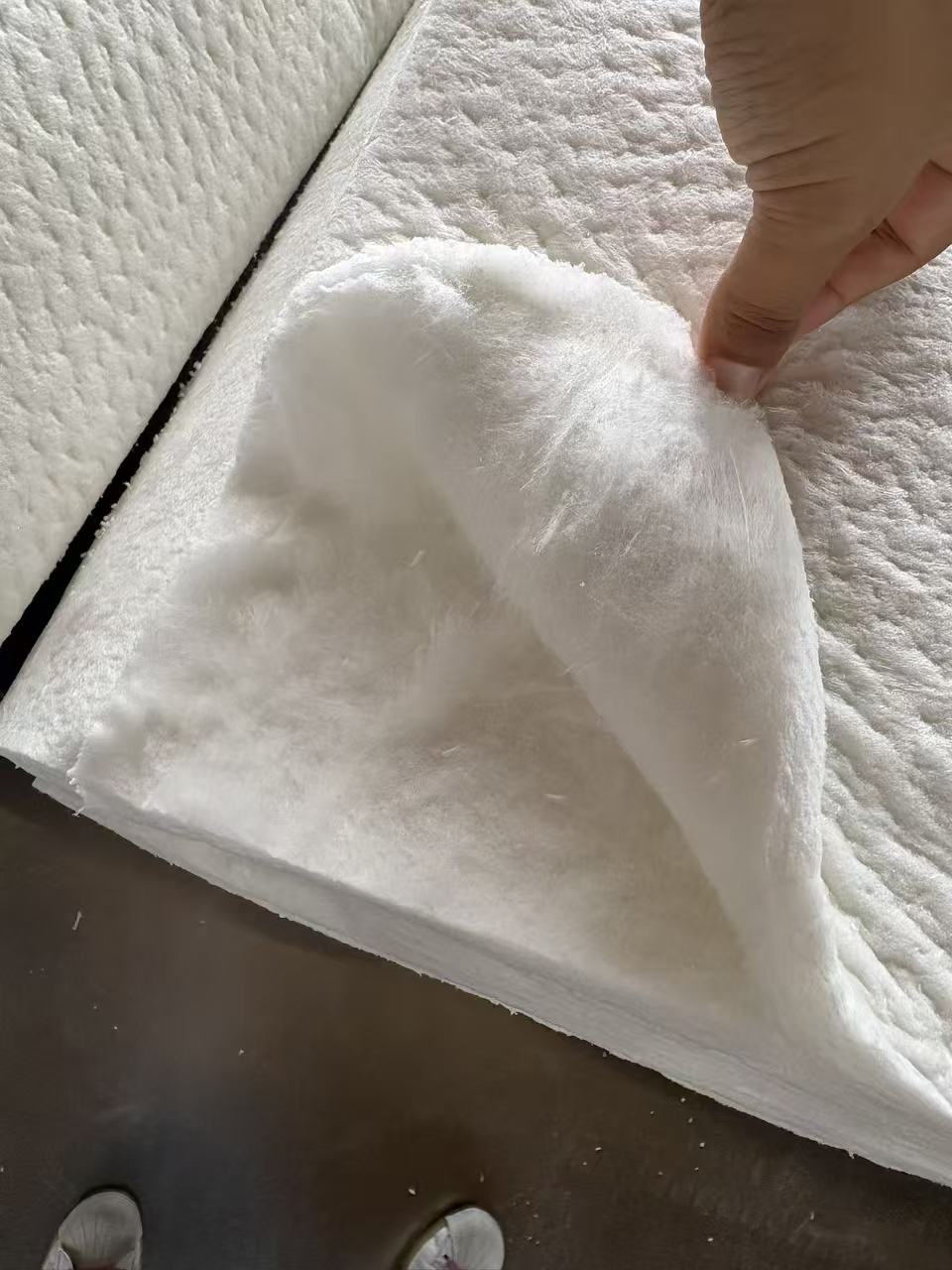
Manta de fibra cerámica is a lightweight, flexible refractory insulation material made from alumina-silicate fibers. It is widely used in industrial furnaces, kilns, boilers, steel equipment, and other high-temperature applications.
Entre sus principales ventajas se encuentran:
- Baja conductividad térmica
- Almacenamiento de baja temperatura
- Estructura ligera
- Buena resistencia al choque térmico
- Easy cutting and installation
- Flexible adaptation to complex furnace surfaces
Estas características hacen que manta aislante de fibra cerámica a practical solution for furnace wall insulation and thermal energy management.
2. 25 mm and 50 mm Ceramic Fiber Blanket
For this Indonesian project, Mindelun supplied ceramic fiber blanket in 25 mm and 50 mm thicknesses.
25 mm Ceramic Fiber Blanket
The 25 mm blanket is suitable for areas requiring a thinner and flexible insulation layer. It can be easily cut and fitted around furnace walls, joints, and areas with limited installation space.
50 mm Ceramic Fiber Blanket
The 50 mm blanket provides a thicker insulation layer and can be used where the furnace design requires greater insulation thickness.
The appropriate thickness should be determined according to the furnace structure, available space, temperature conditions, and overall insulation design.
3. Ceramic Fiber Blanket 1260C for High-Temperature Applications
The furnace wall temperature in this project was up to 1260 °C. Therefore, temperature classification is an important factor when selecting the insulation material.
A ceramic fiber blanket 1260C generally refers to a ceramic fiber blanket with a classification temperature of 1260°C. However, the classification temperature should not automatically be considered the continuous operating temperature.
Before selecting an RCF blanket for high-temperature applications, customers should confirm:
- Temperatura real de funcionamiento
- Continuous or intermittent exposure
- Espesor requerido
- Required density
- Furnace atmosphere
- Mechanical and chemical conditions
If the operating temperature is close to the product’s classification temperature, a higher-temperature fiber grade or alternative lining design may be required.
4. Benefits of Ceramic Fiber Insulation Blanket
A properly designed ceramic fiber insulation system can help improve furnace performance in several ways.
Reduce Heat Loss
Low thermal conductivity helps reduce heat transfer through the furnace wall and supports better energy efficiency.
Reduce Heat Storage
Compared with dense refractory materials, ceramic fiber blanket has a lightweight structure and low heat storage, which can help reduce startup energy consumption.
Fácil instalación
The flexible blanket can be cut and fitted to different furnace wall shapes, making it convenient for industrial installation and maintenance.
Support Thermal Stability
A suitable insulation layer helps maintain more stable furnace temperatures and can contribute to consistent industrial processing conditions.
5. Installation Considerations
The performance of a ceramic fiber blanket depends on both material selection and installation quality.
For furnace wall applications, customers should pay attention to:
- Surface preparation: Ensure the furnace wall is suitable for the planned insulation system.
- Layer arrangement: Install 25 mm and 50 mm blankets according to the approved insulation design.
- Fixing method: Use suitable anchors or fixing systems according to the furnace temperature and structure.
- Joint treatment: Minimize gaps and direct heat paths between insulation layers.
- Final inspection: Check for damaged areas, gaps, exposed joints, and excessive compression.
Proper installation helps the RCF blanket achieve its expected insulation performance and service life.
6. Choosing a Professional Ceramic Fiber Blanket Manufacturer
For industrial furnace projects, working with an experienced ceramic fiber blanket manufacturer can simplify product selection and supply.
Mindelun can support customers with:
- Ceramic fiber blanket selection
- 25 mm and 50 mm thickness options
- Different density and temperature grades
- Customized sizes and packaging
- Technical data and product selection
- Export packing and delivery coordination
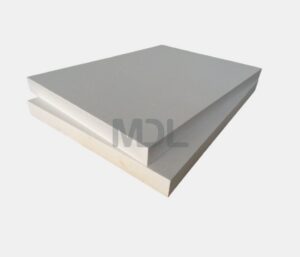
In addition to ceramic fiber blanket, Mindelun supplies placa de fibra cerámica, ceramic fiber paper, módulo de fibra cerámica, calcium silicate board, rock wool, and other industrial insulation materials.
Como profesional con experiencia ceramic fiber blanket manufacturer, Mindelun provides professional manta aislante de fibra cerámica solutions for industrial furnaces, steel plants, cement plants, and other high-temperature applications.
Correo electrónico: info@mdlinsulation; WhatsApp: 86 130 7087 9060
 Spanish
 English
 Arabic
 French
 German
 Portuguese
 Russian
 Indonesian