2300°F vs. 2600°F Ceramic Fiber Blanket: Which One Do You Need?
Ceramic fiber blanket is widely used for industrial furnace insulation, kilns, boilers, and high-temperature equipment. For US buyers, 2300°F and 2600°F are two common temperature classifications.
But which ceramic fiber blanket is right for your application?
The best choice depends on actual operating temperature, insulation design, density, and required service life. This guide explains the key differences to help you make the right purchasing decision.
1. 2300°F vs. 2600°F Ceramic Fiber Blanket
The main difference between these two grades is their temperature classification and material composition.
| Especificaciones | 2300°F Blanket | 2600°F Blanket |
|---|---|---|
| Temperatura de clasificación | 2300°F (1260°C) | 2600°F (Approx. 1430°C) |
| Typical Material Grade | Standard / High Purity | High Alumina / Zirconia-containing grades |
| Common Density | 4–10 Pcf | Depending on product grade |
| Common Thickness | 1″, 2″ | 1″, 2″ |
| Principales aplicaciones | Hornos industriales generales | Higher-temperature furnace applications |
Importante: Classification temperature is not the same as recommended continuous working temperature. Always check the manufacturer’s technical data before selecting a ceramic fiber insulation product.
2. When Should You Choose 2300°F Ceramic Fiber Blanket?
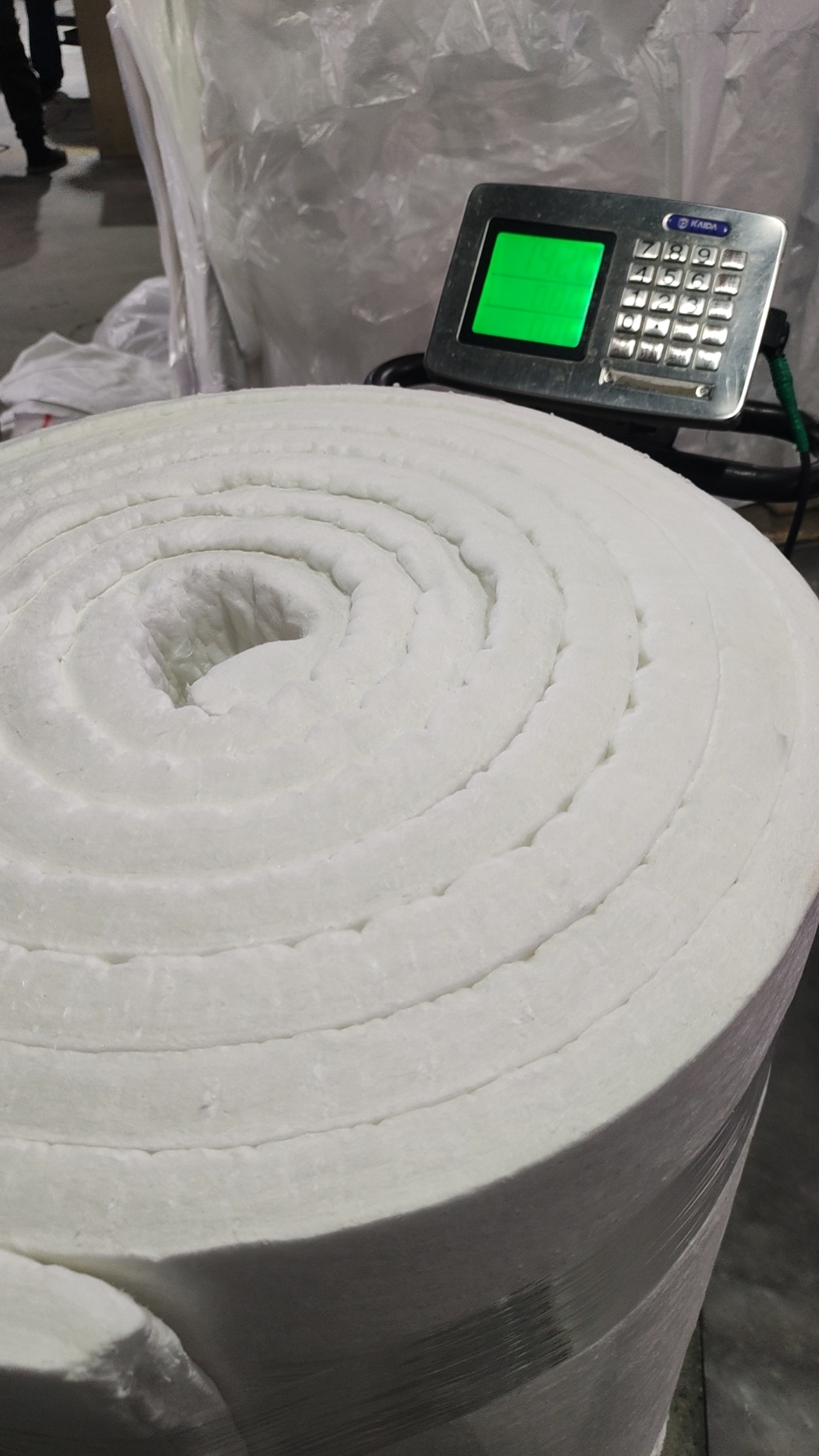
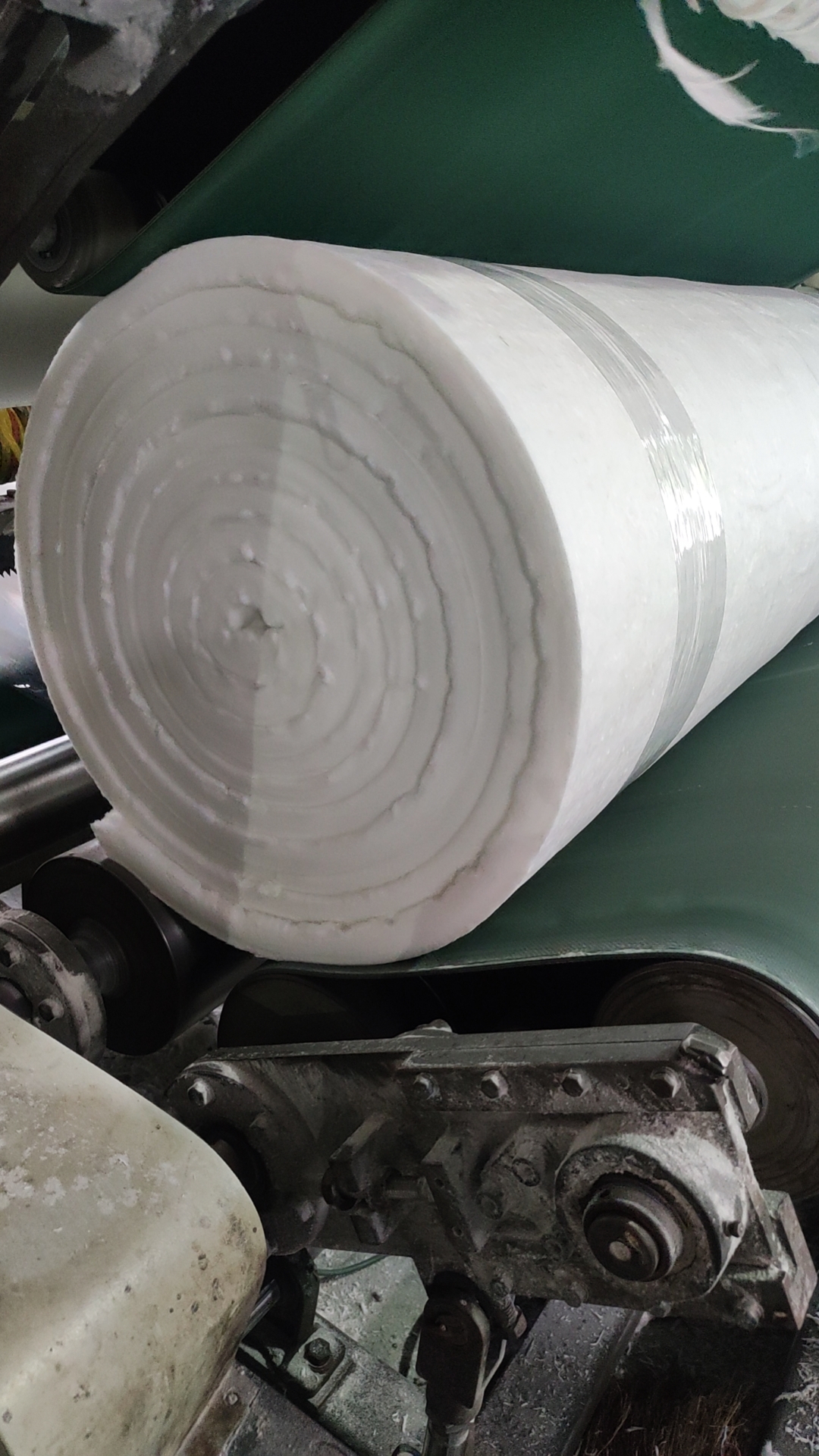
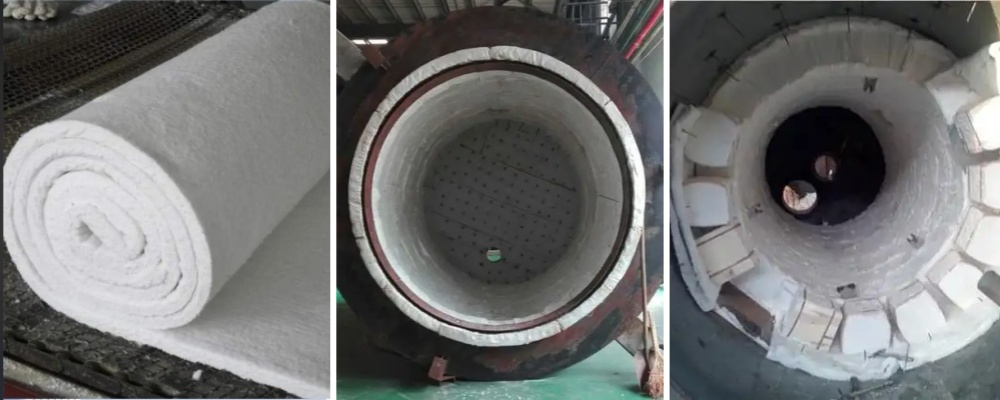
2300°F (1260°C) ceramic fiber blanket is a practical choice for many general industrial insulation applications.
Typical uses include:
- Industrial furnace wall and roof insulation
- Heat treatment furnaces
- Ceramic and tunnel kilns
- Boiler and pipeline insulation
- Furnace door insulation and maintenance
For many projects, 2300°F ceramic fiber blanket offers a good balance of thermal performance and material cost, provided its recommended working temperature meets the application requirements.
3. When Should You Choose 2600°F Ceramic Fiber Blanket?
2600°F (approximately 1430°C) ceramic fiber blanket is designed for applications requiring a higher temperature classification.
Entre las aplicaciones típicas se incluyen:
- High-temperature industrial furnaces
- Specialized ceramic kilns
- Furnace hot-face insulation systems
- Equipment exposed to higher thermal loads
If the actual service conditions exceed the recommended working range of a 2300°F product, a suitable higher-temperature grade may be necessary.
However, a higher classification temperature does not automatically mean better performance for every project. Product composition, shrinkage, and actual operating conditions must also be considered.
4. How to Choose Ceramic Fiber Blanket Density and Thickness
Besides temperature classification, density and thickness are important factors when purchasing ceramic fiber blanket.
Common Ceramic Fiber Blanket Densities
| Density (Pcf) | Metric Equivalent |
|---|---|
| 4 Pcf | 64 kg/m³ |
| 6 Pcf | 96 kg/m³ |
| 8 Pcf | 128 kg/m³ |
| 10 Pcf | 160 kg/m³ |
6 Pcf and 8 Pcf are useful starting points for evaluating general industrial insulation requirements. The final density should depend on installation conditions and mechanical requirements.
Common Ceramic Fiber Blanket Thicknesses
| US Size | Metric Equivalent |
|---|---|
| 1/2 inch | 12.7 mm |
| 1 inch | 25.4 mm |
| 1.5 inches | 38.1 mm |
| 2 inches | 50.8 mm |
Thicker ceramic fiber blanket can provide greater insulation depth, while thinner materials may be suitable for limited installation spaces or multilayer systems.
For the correct specification, consider operating temperature, target heat loss, available space, and furnace design.
5. How to Select the Right Ceramic Fiber Blanket
Before purchasing, confirm the following details with your supplier:
- Temperature classification and recommended working temperature
- Density: 4, 6, 8, or 10 Pcf
- Thickness, width, and roll length
- Furnace operating conditions and atmosphere
- Installation method and insulation layer design
- Required quantity and delivery destination
Providing these details helps manufacturers recommend suitable ceramic fiber blanket specifications and prepare accurate quotations.
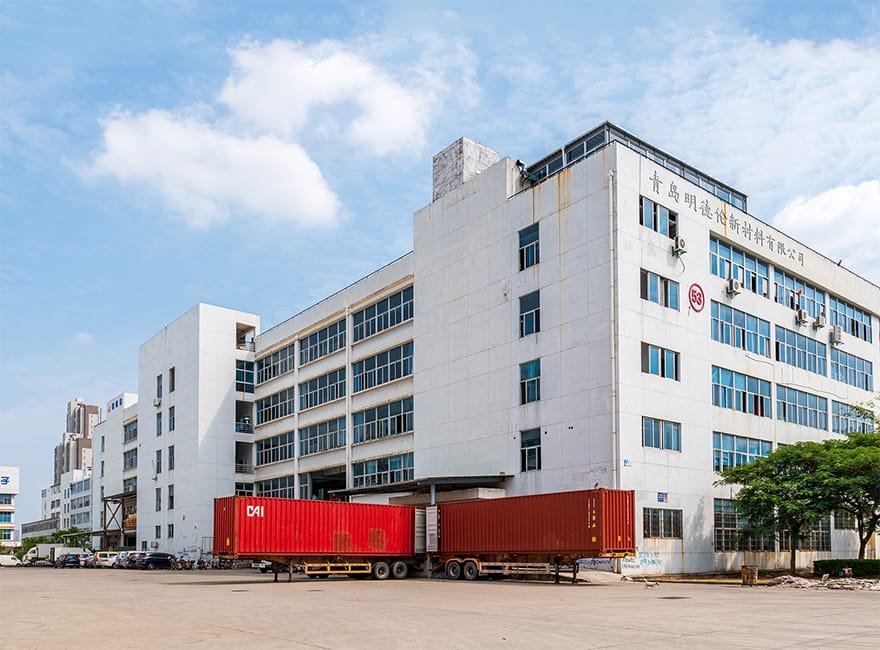
6. Ceramic Fiber Blanket Manufacturer – Mindelun
Mindelun supplies ceramic fiber blanket for industrial insulation projects, distributors, furnace manufacturers, and contractors.
Our product range includes 1260°C (2300°F) ceramic fiber blanket and higher-temperature grades, including 1430°C (2600°F) classification products, subject to specific product specifications.
We provide:
- Multiple temperature classifications and density options
- Customized thickness, width, and roll length
- Factory-direct pricing
- OEM and ODM packaging
- Control de calidad y embalaje para la exportación
- Asistencia técnica para la selección de productos
Descubre nuestra Manta de fibra cerámica range or learn more about Aislamiento de hornos industriales.
You may also be interested in our Placa de fibra cerámica y Módulo de fibra cerámica for complete furnace insulation systems.
Need help choosing between 2300°F and 2600°F ceramic fiber blanket? Contact Mindelun with your required temperature, density, thickness, and quantity for a suitable product recommendation and factory-direct quotation.
Preguntas frecuentes
1. What is the difference between 2300°F and 2600°F ceramic fiber blanket?
2300°F blanket has a classification temperature of 1260°C, while 2600°F blanket is approximately 1430°C. Their suitability depends on material composition and recommended working temperature.
2. What density is commonly used for ceramic fiber blanket?
Common options include 4, 6, 8, and 10 Pcf, equivalent to approximately 64, 96, 128, and 160 kg/m³.
3. Is 2300°F ceramic fiber blanket suitable for a 2000°F furnace?
Not necessarily. Classification temperature does not represent continuous working temperature. Check the actual insulation temperature and manufacturer’s recommended working temperature before selection.
4. Is 2600°F ceramic fiber blanket always better?
No. If 2300°F material meets the actual service requirements, choosing a higher-temperature grade may increase purchasing costs without providing additional practical benefits.
5. How can I get a manta de fibra cerámica quotation?
Provide the required temperature classification, density, thickness, width, roll length, quantity, and destination. This helps the manufacturer prepare an accurate quotation.
 Spanish
 English
 Arabic
 French
 German
 Portuguese
 Russian
 Indonesian