Choosing the right insulation material is essential for improving energy efficiency and reducing heat loss in industrial and building applications. Steinwollmatte und Keramikfasermatte are two widely used fibrous insulation materials, but they differ significantly in temperature resistance, composition, safety and applications.
The most important factor is the actual operating temperature. Understanding these differences helps buyers select the right insulation material, avoid unnecessary costs and improve long-term performance.
1. What Are Rock Wool Blanket and Ceramic Fiber Blanket?
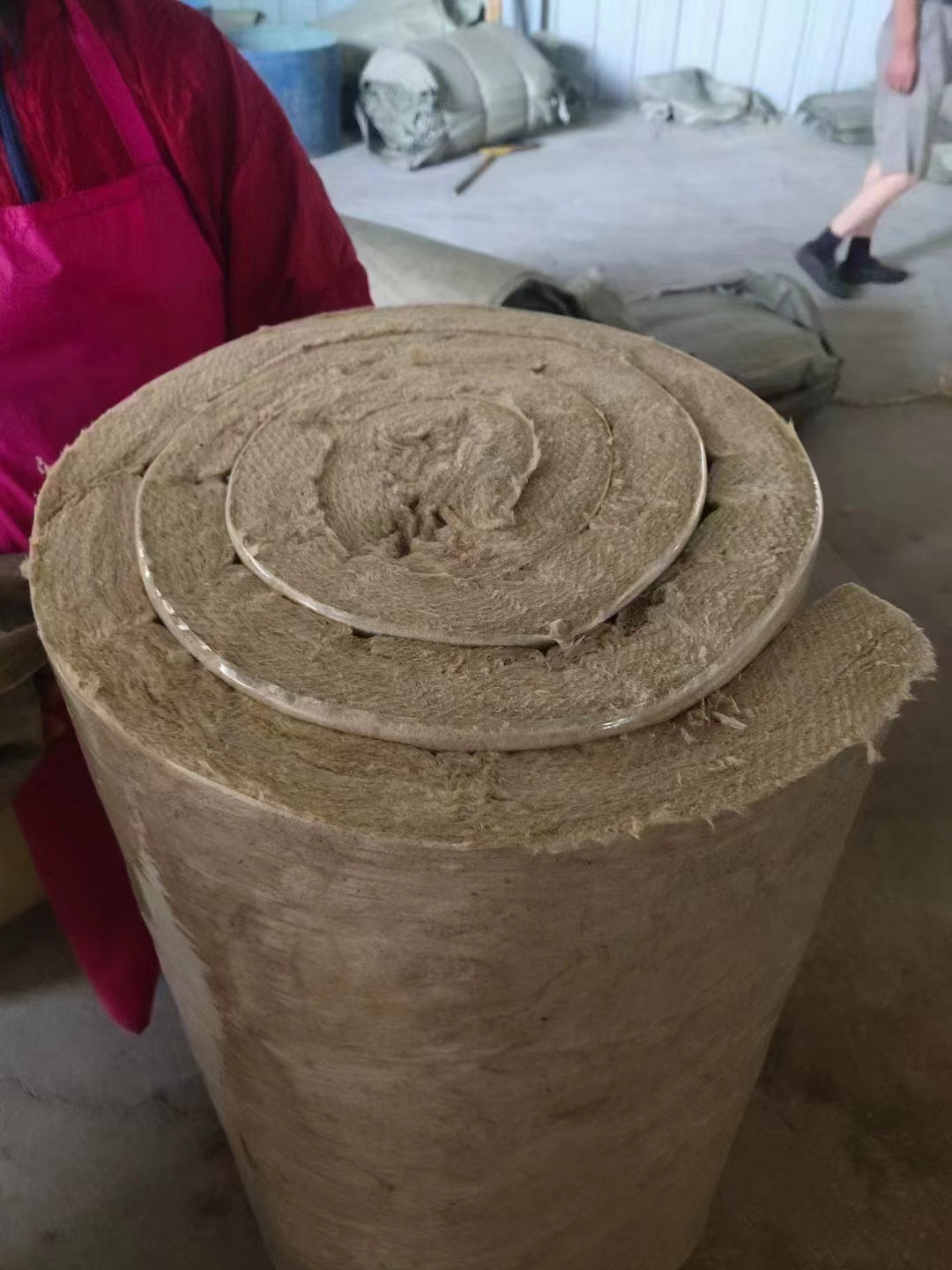
Steinwollmatte
Rock wool blanket, also known as stone wool blanket, is manufactured from natural mineral materials such as basalt. The raw materials are melted and spun into fibers, usually with a binder added to form and stabilize the insulation product.
It offers good thermal insulation, sound absorption and fire resistance. Common applications include:
- Industrial pipelines and storage tanks
- Boilers and ducting systems
- Building walls and roofs
- HVAC and equipment insulation
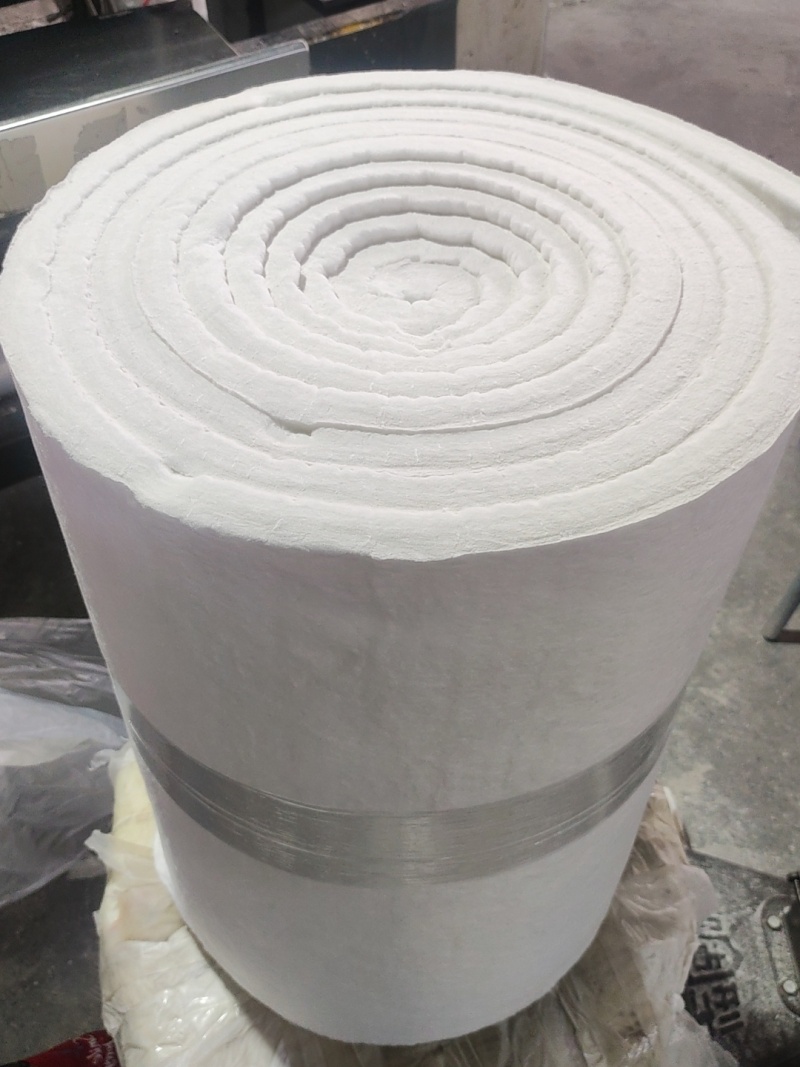
Keramikfasermatte
Ceramic fiber blanket is a lightweight refractory insulation material mainly made from alumina and silica. The raw materials are melted and converted into fibers through spinning or blowing processes. The fibers are then mechanically needled to form a flexible blanket, typically without added binders.
It features low thermal conductivity, low heat storage and excellent high-temperature insulation performance.
Common specifications include:
- Classification temperatures: commonly 1260°C, with higher-temperature grades available
- Densities: 64, 96 and 128 kg/m³
- Common thicknesses: 25 mm and 50 mm
- Available in rolls, cut pieces and customized sizes
It is widely used in industrial furnaces, kilns, heat-treatment equipment and other high-temperature applications.
2. Rock Wool Blanket vs. Ceramic Fiber Blanket: Key Differences
| Vergleich | Steinwollmatte | Keramikfasermatte |
|---|---|---|
| Raw Material | Basalt and other mineral materials | Alumina-silica-based refractory fibers |
| Fertigung | Melting, fiber spinning and binder-assisted forming | Melting, fiber spinning/blowing and needling |
| Typical Temperature Range | Generally up to 600–650°C, product-dependent | Common grades for approximately 1000°C continuous service; higher grades available |
| Klassifizierungstemperatur | Product-dependent | Commonly 1260°C; special grades can reach 1430°C |
| Gewicht | Generally heavier | Leicht |
| Thermal Mass | Relatively higher | Low |
| Main Applications | Buildings, pipelines, tanks and moderate-temperature equipment | Furnaces, kilns and high-temperature equipment |
| Main Advantages | Economical and versatile | High-temperature resistance and low heat storage |
Note: Temperature values are indicative, not universal product guarantees. Classification temperature, maximum service temperature and continuous operating temperature are different indicators. Always check the manufacturer’s technical data.
3. Temperature Resistance: The Most Important Difference
Temperature resistance is the primary factor when selecting between these two materials.
Rock Wool Blanket: For Low and Medium-Temperature Insulation
Rock wool insulation blanket is commonly used in building insulation and industrial equipment operating within its specified temperature limits.
Many products have maximum service temperatures around 600–650°C, but the actual limit depends on fiber composition, binder system and product design.
Prolonged exposure to temperatures beyond the recommended limit may cause binder degradation, shrinkage, fiber deterioration or loss of mechanical integrity.
Rock wool’s melting point should not be confused with its safe operating temperature.
Ceramic Fiber Blanket: For High-Temperature Applications
Ceramic fiber blanket is specifically designed for high-temperature insulation. Different grades provide different temperature capabilities:
| Ceramic Fiber Grade | Typical Temperature Positioning |
|---|---|
| Standard Type | Commonly around 1000°C continuous service, subject to product specifications |
| High Purity Type | Suitable for higher-temperature applications |
| High Alumina Type | Designed for demanding high-temperature conditions |
| Zirconia Type | Higher-temperature grade, with classification temperatures reaching approximately 1430°C |
For example, a standard-grade blanket should not automatically be selected for a furnace operating continuously at 1100°C. A higher-grade material may be required.
Wichtig: Always select according to the actual continuous operating temperature, rather than relying only on the classification temperature or short-term temperature resistance.
4. Thermal Performance and Material Safety
Thermal Insulation Performance
Both materials provide effective thermal insulation, but their advantages differ.
- Rock Wool Blanket: Offers economical insulation for building applications, pipelines and moderate-temperature industrial equipment.
- Ceramic Fiber Blanket: Its low thermal mass helps reduce heat storage in furnace linings, improving heating and cooling response and potentially reducing energy consumption during intermittent operation.
Safety and Handling
Safety is another important consideration when purchasing and installing fibrous insulation materials.
Refractory ceramic fibers have been classified by IARC as Group 2B, possibly carcinogenic to humans. Fiber dust may be released during cutting, installation, removal or maintenance. Workers should follow the product safety data sheet and applicable occupational safety requirements, using suitable protective clothing, eye protection and respiratory protection.
Rock wool fibers are generally designed to have lower biopersistence, and some products meet biosolubility requirements. However, airborne fibers and dust may still cause temporary skin, eye and respiratory irritation.
For both materials, minimize dust generation and follow appropriate workplace protection procedures.
5. Cost and Product Forms
Keramikfasermatte
Ceramic fiber blanket generally has a higher purchase price because it is a specialized refractory insulation material.
It is mainly used in industrial furnaces, forging furnaces, kilns and other high-temperature equipment where ordinary mineral wool cannot meet the operating requirements.
Steinwollmatte
Rock wool blanket is generally more economical and widely available. It is commonly used in building fire protection, pipeline insulation and industrial equipment operating at low or moderate temperatures.
Rock wool products are available in different forms, including blankets, boards and pipe sections.
For curved equipment and large-diameter pipelines, flexible rock wool blankets can provide better surface coverage than rigid boards, provided their density and mechanical strength meet the installation requirements.
6. What Should Buyers Check Before Purchasing?
Whether you are looking for a ceramic fiber blanket supplier or a rock wool blanket wholesaler, consider the following factors before placing an order.
1. Confirm the Actual Operating Temperature
Temperature selection is essential. If equipment operates beyond the recommended service temperature of rock wool, choose a suitable high-temperature insulation material instead. Do not use rock wool’s melting point as its service-temperature rating.
2. Select the Correct Ceramic Fiber Grade
Ceramic fiber blankets are available in standard, high-purity, high-alumina and zirconia grades. Their temperature capabilities and prices differ.
Avoid selecting an unnecessarily expensive grade, but do not choose a lower grade that cannot withstand the actual operating conditions.
3. Request Relevant Test Reports
Check the following technical data according to the material type:
- Thermal conductivity at specified mean temperatures
- Density and thickness tolerance
- Permanent linear shrinkage for ceramic fiber products
- Slag ball content for rock wool products
- Chemical composition and relevant quality inspection reports
For applications with specific fiber safety requirements, ask about relevant biosolubility data and product safety documentation.
4. Choose the Correct Product Form
Rock wool is available as blankets, boards and pipe sections, while ceramic fiber is available as blankets, boards, modules and other customized products.
Choose the form according to the equipment structure, installation space and required insulation performance.
5. Check the Supplier’s Quality and Delivery Capability
A reliable supplier should provide clear technical specifications, consistent product quality, customization options and stable delivery schedules.
7. Find a Reliable Insulation Blanket Supplier
Choosing an experienced supplier helps ensure that the insulation material matches the actual operating conditions.
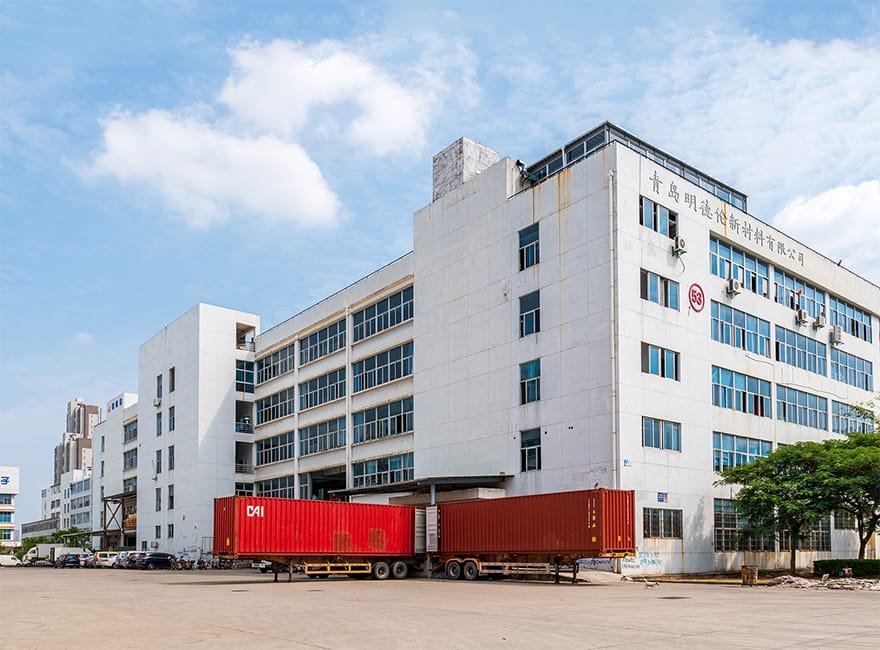
Mindelun supplies ceramic fiber blankets, ceramic fiber boards and other industrial insulation materials for high-temperature applications.
Zu unseren Liefervorteilen gehören:
- Multiple temperature grades and densities
- Customized thicknesses and dimensions
- OEM and ODM services
- Lieferung direkt ab Werk
- Export packaging and mixed-product orders
- Technical support for industrial insulation projects
Entdecken Sie unser Ceramic Fiber Blanket Products for different temperature grades and specifications.
You can also learn more about our Keramikfaserplatte und Keramikfasermodul for complete furnace insulation solutions.
Häufig gestellte Fragen
Q1: Is ceramic fiber blanket better than rock wool blanket?
Neither material is universally better. Rock wool is suitable for building insulation and moderate-temperature equipment, while ceramic fiber blanket is designed for high-temperature applications such as furnaces and kilns.
Q2: Can rock wool blanket withstand 1000°C?
Generally, no. The melting point of rock wool is not its safe operating temperature. Most rock wool insulation products have much lower recommended service temperatures. Always check the manufacturer’s specifications.
Q3: What is the continuous operating temperature of ceramic fiber blanket?
It depends on the fiber grade and operating conditions. Standard grades are commonly positioned around 1000°C continuous service, while high-purity, high-alumina and zirconia grades can support higher-temperature applications.
Q4: What density of ceramic fiber blanket should I choose?
Common densities include 64, 96 and 128 kg/m³. The right choice depends on insulation requirements, mechanical conditions and installation methods.
Q5: Can one supplier provide both Steinwolle and ceramic fiber products?
Yes. An integrated insulation materials supplier can provide different materials for different operating conditions, helping simplify procurement and coordinate mixed-product orders.
Fazit
Rock wool blanket and ceramic fiber blanket serve different insulation requirements. Rock wool is an economical choice for building insulation and moderate-temperature industrial equipment, while ceramic fiber blanket is more suitable for high-temperature furnaces, kilns and thermal processing systems.
Before purchasing, always confirm the actual operating temperature, material grade, thermal performance and product specifications.
Looking for a reliable ceramic fiber blanket supplier or rock wool blanket wholesaler? Kontaktieren Sie Mindelun for customized industrial insulation solutions and factory-direct supply.
 German
 English
 Arabic
 French
 Spanish
 Portuguese
 Russian
 Indonesian