How to Choose the Right Keramikfasergewebe for Your Furnace
Industrial furnaces operate under extremely high temperatures, making thermal insulation materials critical for safety, energy efficiency, and equipment longevity. Among the most widely used high-temperature insulation materials, ceramic fiber cloth stands out for its excellent heat resistance, flexibility, and durability. Whether you are insulating a heat treatment furnace, forging furnace, boiler, kiln, or petrochemical equipment, selecting the right ceramic fiber fabric can significantly improve operational performance.
This guide explains how to choose the most suitable fireproof fabric und insulation fabric for your furnace application.
What Is Keramikfasergewebe?
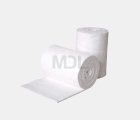
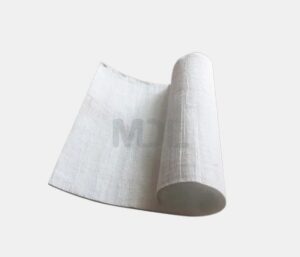
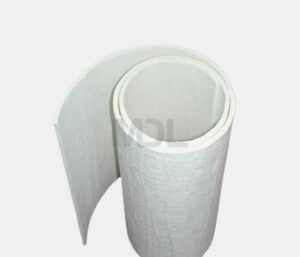
Ceramic fiber cloth is a woven insulation fabric manufactured from high-purity ceramic fiber yarn reinforced with fiberglass filament or stainless steel wire. It is designed to withstand continuous exposure to high temperatures while providing excellent thermal insulation and fire protection.
Compared with conventional insulation materials, ceramic fiber cloth offers:
- Excellent thermal insulation performance
- Geringe Wärmeleitfähigkeit
- High temperature resistance
- Lightweight and flexible structure
- Excellent chemical stability
- Easy installation and fabrication
- Long service life
These advantages make ceramic fiber fabric an ideal solution for demanding industrial environments.
1. Consider the Furnace Operating Temperature
The first step in selecting the right ceramic fiber cloth is determining your furnace’s maximum operating temperature.
Typical grades include:
| Temperature Rating | Recommended Applications |
|---|---|
| 650–800°C | Heat shields and removable insulation covers |
| Up to 1000°C | Boilers, exhaust systems, industrial pipelines |
| Up to 1260°C | Industrial furnaces, kilns, steel plants, foundries |
Always choose a product with a continuous working temperature above your actual operating conditions to maximize service life.
2. Select the Appropriate Reinforcement
Different reinforcement materials provide different mechanical properties.
Fiberglass Reinforced Ceramic Fiber Fabric
This option offers excellent flexibility and is suitable for most industrial insulation applications where mechanical stress is relatively low.
Recommended for:
- Furnace insulation
- Pipe wrapping
- Heat shields
- Expansion joints
Stainless Steel Wire Reinforced Ceramic Fiber Cloth
For high-temperature environments with vibration or mechanical wear, stainless steel wire reinforcement provides superior tensile strength and durability.
Ideal for:
- Steel plants
- Petrochemical facilities
- Power plants
- Aluminum processing
- Glass manufacturing
3. Choose the Right Thickness
The thickness of the ceramic fiber weaved cloth directly influences insulation performance.
Common thicknesses include:
- 1–2 mm: Flexible wrapping, gaskets, and protective covers
- 3–5 mm: General furnace insulation
- 6–10 mm: Heavy-duty thermal insulation and removable insulation blankets
Thicker insulation fabric generally provides better heat retention but should be selected according to installation space and application requirements.
4. Consider Aluminum Foil Laminated Ceramic Fiber Cloth
For applications requiring radiant heat reflection, Aluminum Foil Laminated Ceramic Fiber Cloth is an excellent choice.
The aluminum foil layer offers several benefits:
- Reflects radiant heat
- Reduces energy loss
- Improves workplace safety
- Provides a cleaner surface
- Increases resistance to moisture and dust
It is widely used in:
- Furnace doors
- Heat shields
- HVAC systems
- Exhaust insulation
- Fire protection systems
5. Match the Fabric to Your Application
Different industries have different insulation requirements.
Steel Industry
- Furnace doors
- Ladles
- Tundishes
- Expansion joints
Petrochemische Industrie
- High-temperature pipelines
- Valves
- Flanges
- Reactor insulation
Power Plants
- Boilers
- Steam pipelines
- Turbines
- Exhaust systems
Aluminiumindustrie
- Melting furnaces
- Holding furnaces
- Casting equipment
Glass Industry
- Glass furnaces
- Annealing equipment
- Heat shields
Why Ceramic Fiber Fabric Is the Preferred Fireproof Fabric
As a premium fireproof fabric, ceramic fiber cloth provides excellent protection against extreme temperatures while maintaining flexibility.
Key advantages include:
- Outstanding fire resistance
- Excellent thermal insulation
- Low heat storage
- Thermal shock resistance
- Lightweight construction
- Easy installation
- Long operating life
- Reduced maintenance costs
These characteristics help improve furnace efficiency while lowering energy consumption.
Why Choose Mindelun Ceramic Fiber Cloth Manufacturer?
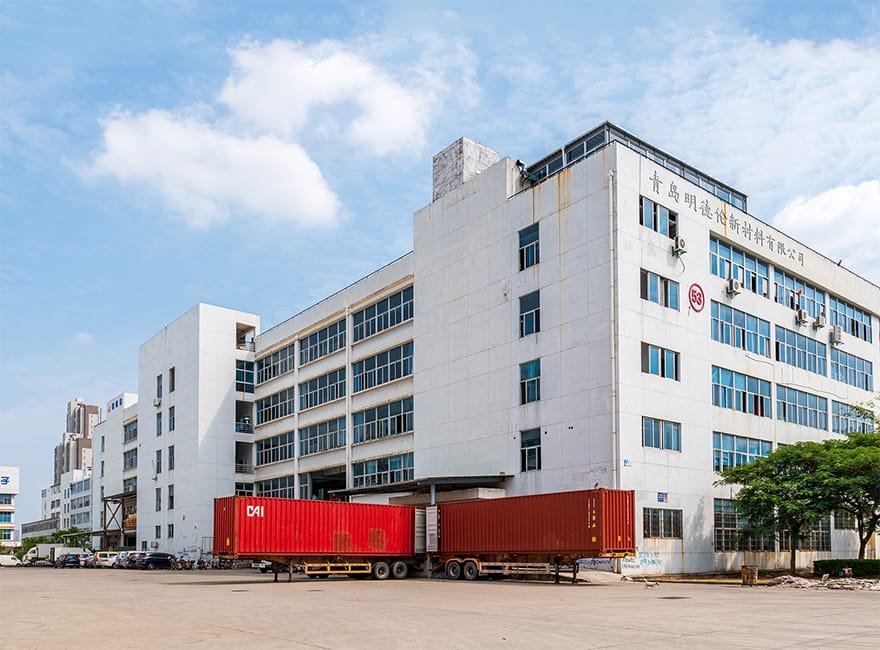
At Mindelun, we manufacture high-quality ceramic fiber cloth for customers worldwide.
Our products feature:
- Thickness from 1 mm to 10 mm
- Fiberglass or stainless steel wire reinforcement
- Aluminum foil laminated options
- OEM dimensions and customized specifications
- Stable product quality
- Fast production and export service
- Professional technical support
Unser ceramic fiber fabric is exported to customers across North America, Europe, Southeast Asia, the Middle East, and South America.
Häufig gestellte Fragen
1. What is the difference between ceramic fiber cloth and Keramikfasermatte?
Keramikfasermatte is a flexible bulk insulation material mainly used for furnace walls, roofs, kiln linings, pipe insulation, and other large-area applications. Ceramic fiber cloth is woven or reinforced to provide greater tensile strength and better handling performance. It is more suitable for furnace door seals, removable insulation covers, expansion joints, curtains, and other applications where flexibility and mechanical strength are required.
2. Can ceramic fiber cloth replace ceramic fiber blanket?
Ceramic fiber cloth and ceramic fiber blanket serve different purposes and should not always be considered direct replacements. Blanket is generally better for large-area thermal insulation, while cloth is more suitable for high-temperature covers, sealing, wrapping, and flexible insulation components. In some furnace projects, ceramic fiber blanket can be covered or protected with ceramic fiber cloth to improve handling and surface protection.
3. When should I use Keramikfaserplatte instead of ceramic fiber cloth?
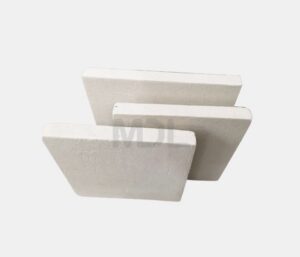
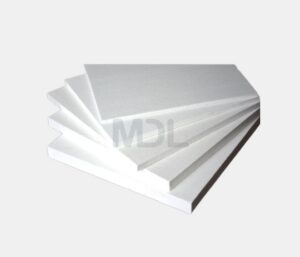
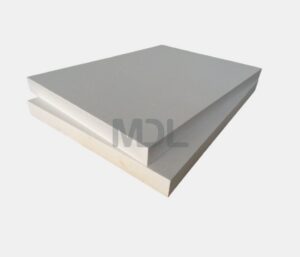
Choose Keramikfaserplatte when the furnace requires a rigid, dimensionally stable insulation component. Ceramic fiber board is suitable for furnace walls, doors, burner areas, baffles, and other locations where the insulation needs to maintain its shape. Ceramic fiber cloth is preferred when the insulation needs to bend, wrap around irregular surfaces, or function as a flexible seal.
4. What is the difference between ceramic fiber cloth and Keramikfasermodul?
A Keramikfasermodul is a pre-compressed, folded ceramic fiber insulation unit designed primarily for large industrial furnace hot-face linings. It provides fast installation and a continuous insulation layer. Ceramic fiber cloth, in contrast, is a flexible textile product generally used for sealing, wrapping, curtains, covers, and other localized insulation applications.
5. Can ceramic fiber paper be used instead of ceramic fiber cloth?
Keramikfaserpapier is thinner and is mainly used for gaskets, thin thermal barriers, separators, and narrow insulation gaps. Ceramic fiber cloth provides greater flexibility and mechanical strength and is more suitable for applications involving repeated handling, wrapping, or movement. Therefore, the choice depends on the required thickness, strength, sealing function, and installation method.
6. What reinforcement is available for ceramic fiber cloth?
Ceramic fiber cloth can be supplied with different reinforcement options, such as fiberglass yarn or stainless steel wire, depending on the application temperature and mechanical requirements. The reinforcement improves tensile strength, dimensional stability, and handling performance. A qualified ceramic fiber cloth manufacturer should recommend the reinforcement according to the actual service conditions.
7. What information should I provide when buying ceramic fiber cloth wholesale?
Für ceramic fiber cloth wholesale, buyers should provide the following information:
-
Furnace type and application
-
Operating and maximum temperature
-
Ceramic fiber grade
-
Cloth thickness and width
-
Required length or roll size
-
Reinforcement type
-
Estimated quantity
-
Verpackungsvorschriften
-
Destination port
Providing these specifications allows the supplier to recommend the correct material and prepare a more accurate factory-direct quotation.
8. How can I find a reliable ceramic fiber cloth manufacturer?
When selecting a ceramic fiber cloth manufacturer, B2B buyers should check product specifications, temperature grades, reinforcement options, production capacity, quality control, packaging, customization capability, and export experience. For long-term procurement, it is also useful to confirm whether the manufacturer can supply related ceramic fiber products such as blanket, board, module, and paper, allowing customers to consolidate multiple insulation products into one order.
9. Can one supplier provide ceramic fiber cloth, blanket, board, module, and paper?
Yes. An experienced ceramic fiber insulation supplier can provide multiple product forms for different furnace applications. For example, Keramikfasermatte can be used for flexible large-area insulation, Keramikfaserplatte for rigid insulation, Keramikfasermodul for furnace hot-face linings, ceramic fiber paper for thin gaskets and sealing, and ceramic fiber cloth for flexible thermal protection and high-temperature sealing. Using one supplier for multiple products can simplify procurement and reduce logistics costs.
10. How does Mindelun help customers choose Isolierung aus Keramikfasern products?
Mindelun provides different ceramic fiber insulation forms according to the furnace temperature, installation requirements, mechanical conditions, and project specifications. Customers can source ceramic fiber cloth, ceramic fiber blanket, ceramic fiber board, ceramic fiber module, and ceramic fiber paper from one supplier. For wholesale and project orders, Mindelun can also provide customized dimensions, reinforcement options, packaging, and one-stop sourcing support.
Fazit
Die richtige Wahl treffen ceramic fiber cloth involves evaluating operating temperature, reinforcement type, thickness, and application requirements. A high-quality ceramic fiber fabric not only improves furnace insulation but also enhances energy efficiency, reduces maintenance costs, and extends equipment life.
Whether you need standard fireproof fabric or customized insulation fabric with aluminum foil, Mindelun offers reliable solutions for industrial thermal insulation projects worldwide.
Contact us today to receive a free quotation, technical consultation, and customized insulation solution for your furnace application.
 German
 English
 Arabic
 French
 Spanish
 Portuguese
 Russian
 Indonesian