Polycrystalline Mullite Fiber Board for High-Temperature Furnace Insulation
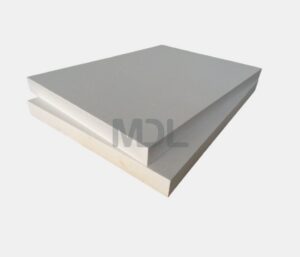
Polycrystalline mullite fiber board is a rigid refractory insulation material used in selected high-temperature industrial applications. For furnace manufacturers, refractory contractors and insulation distributors, choosing the right polycrystalline mullite fiber board supplier means evaluating material performance, dimensional requirements and suitability for actual operating conditions.
Designed for demanding thermal environments, polycrystalline mullite fiber board is considered for furnace linings, kiln insulation and specialized thermal processing equipment. The appropriate product grade should always be selected according to its technical specifications and the intended service conditions.
What Is Polycrystalline Mullite Fiber Board?
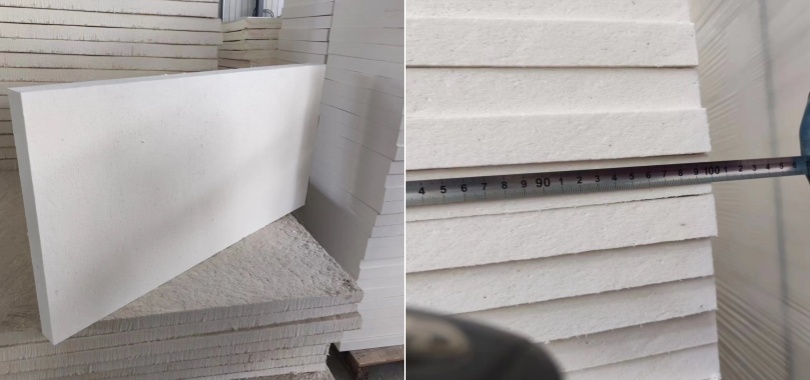
Polycrystalline mullite fiber board is a rigid insulation product made from polycrystalline alumina-silica fiber materials. It is developed for applications requiring insulation suitable for elevated temperatures and controlled dimensional changes.
Compared with conventional ceramic fiber board, polycrystalline mullite fiber board may be suitable for more demanding high-temperature conditions, depending on the grade and product design. However, classification temperature, continuous operating temperature and long-term service performance are different considerations.
Industrial buyers should review the manufacturer’s technical data before specifying the material for a furnace project.
Key Properties of Polycrystalline Mullite Fiber Board
1. Высокотемпературная изоляция
The suitable temperature range depends on fiber composition, manufacturing process and operating conditions. When selecting a high-temperature mullite fiber board, buyers should consider normal operating temperature, maximum temperature, heating cycles and furnace atmosphere.
A product’s classification temperature should not be treated as its guaranteed continuous service temperature.
2. Dimensional Stability
Permanent linear shrinkage is an important consideration for furnace insulation because dimensional changes can affect lining joints and insulation thickness. Buyers should compare shrinkage data measured under clearly stated test temperatures, exposure times and sample conditions.
3. Thermal Conductivity
Thermal conductivity affects heat transfer through the insulation lining. The measured value depends on temperature, density and product structure.
For reliable furnace design, request thermal conductivity data at relevant mean temperatures and compare products tested under similar conditions.
4. Board Dimensions and Customization
Polycrystalline mullite fiber board may be supplied in different dimensions or processed into specific shapes, depending on manufacturing capability. Before ordering, confirm thickness, width, length, density, dimensional tolerances and machining requirements.
For custom projects, technical drawings can help the supplier evaluate manufacturing feasibility.
Applications of Polycrystalline Mullite Fiber Board
Depending on the specified grade and service conditions, polycrystalline mullite fiber board may be considered for:
- Industrial furnace insulation: Selected furnace walls, roofs and lining sections.
- Ceramic kiln insulation: Suitable high-temperature firing and processing equipment.
- Heat-treatment furnaces: Insulation components designed for defined thermal cycles.
- Specialized thermal processing equipment: Rigid insulation panels and custom-shaped parts.
- Furnace maintenance projects: Replacement insulation where the selected material meets the existing lining requirements.
Material selection should also account for mechanical loading, gas flow, abrasion, flame exposure and installation design. Applications involving severe mechanical impact or direct flame impingement may require additional refractory protection.
For more information about industrial furnace insulation systems, visit Mindelun’s Изоляция промышленных печей страница.
Polycrystalline Mullite Fiber Board vs. Ceramic Fiber Board
Both materials are used for industrial thermal insulation, but they differ in fiber composition and potential service-temperature capabilities.
Polycrystalline mullite fiber board is generally considered for demanding high-temperature applications, while conventional ceramic fiber board serves a wide range of industrial insulation requirements. The most appropriate option depends on the actual material grade and operating conditions.
Before purchasing, compare:
- Classification temperature and recommended operating limits
- Permanent linear shrinkage under specified test conditions
- Thermal conductivity at relevant temperatures
- Density and mechanical properties
- Available dimensions and installation requirements
- Total material, installation and maintenance costs
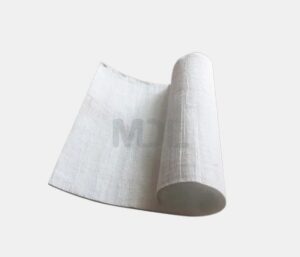
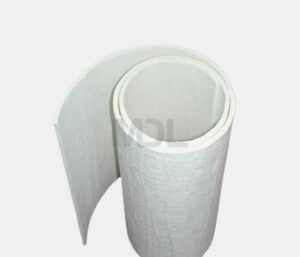
If conventional ceramic fiber board meets the required service conditions, explore Mindelun’s Плита из керамического волокна range. For flexible insulation applications, see our Ceramic Thermal Insulation Blanket страница.
How to Choose a Polycrystalline Mullite Fiber Board Supplier
Выбор надежного polycrystalline mullite fiber board manufacturer or supplier requires more than comparing quotations.
Technical documentation: Request specifications for chemical composition, density, thermal conductivity, permanent linear shrinkage and mechanical properties, with test conditions clearly stated.
Quality control: Confirm dimensional tolerances, inspection procedures and the availability of relevant quality documents.
Возможности настройки: Check whether the supplier can meet the required thickness, panel dimensions and machining tolerances.
Project support: Provide application details and operating conditions so the supplier can assess material suitability before quotation.
Supply arrangements: Confirm minimum order quantity, production lead time, packaging and delivery requirements.
These checks help industrial buyers compare suppliers more effectively and reduce the risk of selecting an unsuitable insulation material.
Request a Quote for Polycrystalline Mullite Fiber Board
To help a supplier evaluate your requirements, prepare the following information:
- Furnace type and intended application
- Normal operating temperature and maximum temperature
- Required board thickness, width and length
- Target density and mechanical requirements
- Order quantity and custom machining needs
- Delivery destination and requested schedule
Drawings, existing specifications and operating details can help clarify project requirements and improve quotation accuracy.
Mindelun supplies thermal insulation materials for industrial and commercial buyers. If you are sourcing polycrystalline mullite fiber board for high-temperature furnace insulation, contact Mindelun to discuss your technical requirements, sourcing needs and product availability.
Часто задаваемые вопросы
What is polycrystalline mullite fiber board used for?
It is used in selected high-temperature industrial furnace, kiln and thermal processing insulation systems where the material grade meets the required service conditions.
What is the difference between polycrystalline mullite fiber board and плита из керамического волокна?
The two products use different fiber materials and may have different temperature capabilities. Selection should be based on verified technical specifications and actual operating conditions.
What temperature can polycrystalline mullite fiber board withstand?
The suitable temperature depends on the specific grade. Classification temperature does not necessarily represent the recommended continuous operating temperature. Request product-specific technical data before selection.
Can polycrystalline mullite fiber board be customized?
Customization may be possible depending on the supplier’s manufacturing capabilities. Provide the required dimensions, thickness, tolerances and drawings for confirmation.
Какая информация необходима для составления коммерческого предложения?
Provide the application, operating temperature, board dimensions, density or strength requirements, quantity and delivery destination. Technical drawings and service conditions are helpful when available.
How can I select a reliable supplier?
Evaluate technical documentation, product consistency, quality control, customization capabilities, delivery arrangements and the supplier’s ability to confirm suitability for your application.
 Russian
 English
 Arabic
 French
 German
 Spanish
 Portuguese
 Indonesian