How to Choose the Right Polycrystalline Mullite Fiber Module for High-Temperature Furnaces?
Polycrystalline mullite fiber module is an advanced refractory insulation product designed for industrial furnaces and thermal equipment operating at extremely high temperatures. Made from high-performance polycrystalline mullite fiber, it offers excellent thermal stability, low thermal conductivity, and outstanding resistance to thermal shrinkage.
With classification temperatures commonly reaching 1600°C, high temperature polycrystalline fiber modules are widely used in steel, metallurgy, glass, ceramics, and other high-temperature industries.
Compared with conventional ceramic fiber modules, polycrystalline mullite fiber modules provide improved dimensional stability under demanding thermal conditions, making them an ideal insulation option for selected high-temperature furnace applications.
1. What Is a Polycrystalline Mullite Fiber Module?
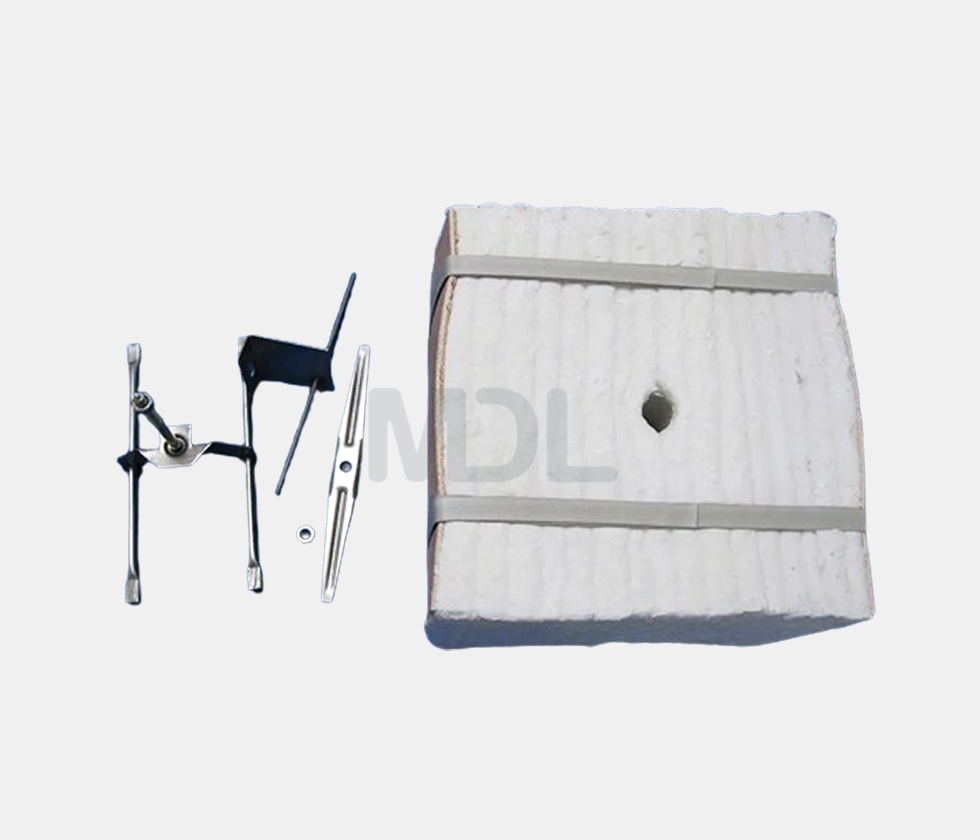
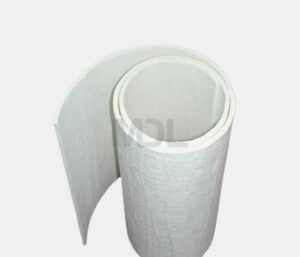
A polycrystalline mullite fiber module is manufactured from high-temperature polycrystalline mullite fiber blanket through cutting, folding or layering, and compression processes.
The compressed fiber structure forms a lightweight insulation block that can be installed on furnace walls, roofs, and other high-temperature surfaces.
Depending on the manufacturing process and furnace design, polycrystalline wool fiber modules are available with different dimensions, densities, compression structures, and anchoring configurations.
Main features include:
- High-temperature resistance and structural stability.
- Low thermal conductivity and heat storage.
- Excellent thermal shock resistance.
- Low permanent linear shrinkage.
- Good chemical stability and resistance to gas flow erosion.
2. Key Advantages of High Temperature Polycrystalline Fiber Module
Resistência a altas temperaturas
Polycrystalline mullite fiber modules are commonly available in 1600°C classification temperature grades. Their recommended continuous operating temperature depends on the specific grade and working conditions.
Low Linear Shrinkage
The crystalline fiber structure provides excellent dimensional stability under high-temperature exposure, helping maintain tight module joints and reduce heat leakage.
Baixa condutividade térmica
The lightweight fiber structure reduces heat transfer and heat storage, helping improve furnace thermal efficiency and reduce energy consumption.
Excellent Thermal Shock Resistance
High temperature polycrystalline fiber modules can withstand repeated heating and cooling cycles, making them suitable for furnaces with frequent temperature changes.
Good Chemical Stability
Polycrystalline mullite fibers offer good resistance to many industrial atmospheres and high-temperature gases, supporting reliable performance in demanding furnace environments.
3. Polycrystalline Mullite Fiber Module Specifications
Polycrystalline mullite fiber modules are available in different technical specifications according to furnace design and operating requirements.
| Parameter | Typical Reference |
|---|---|
| Fiber Type | Polycrystalline Mullite Fiber |
| Classification Temperature | Commonly 1600°C |
| Al₂O₃ Content | Approximately 70–75% |
| Teor de SiO₂ | Approximately 25–28% |
| Densidade | Depends on product design |
| Structure | Layered, folded or compressed fiber |
| Cor | Branco |
| Instalação | Anchoring or specified fixing systems |
Note: The chemical composition above refers to a representative 1600°C PCW grade. Actual specifications, density, shrinkage, and continuous service temperature vary by manufacturer and product grade. Classification temperature should not be treated as the guaranteed continuous operating temperature.
4. Applications of Polycrystalline Fiber Modules
High temperature polycrystalline fiber modules are widely used in industrial equipment requiring reliable insulation under extreme thermal conditions.
Steel and Metallurgical Furnaces
Used in reheating furnaces, heat treatment furnaces, annealing furnaces, and other high-temperature processing equipment to reduce heat loss and improve temperature stability.
Glass Manufacturing
Suitable for selected glass furnace crowns, superstructures, and high-temperature insulation zones where dimensional stability is important.
Ceramic and Refractory Kilns
Used in tunnel kilns, shuttle kilns, and roller kilns to provide lightweight insulation and withstand repeated thermal cycling.
Petrochemical Industry
Applied in selected cracking furnaces, reformers, thermal oxidizers, and other high-temperature processing equipment.
Industrial Heating Equipment
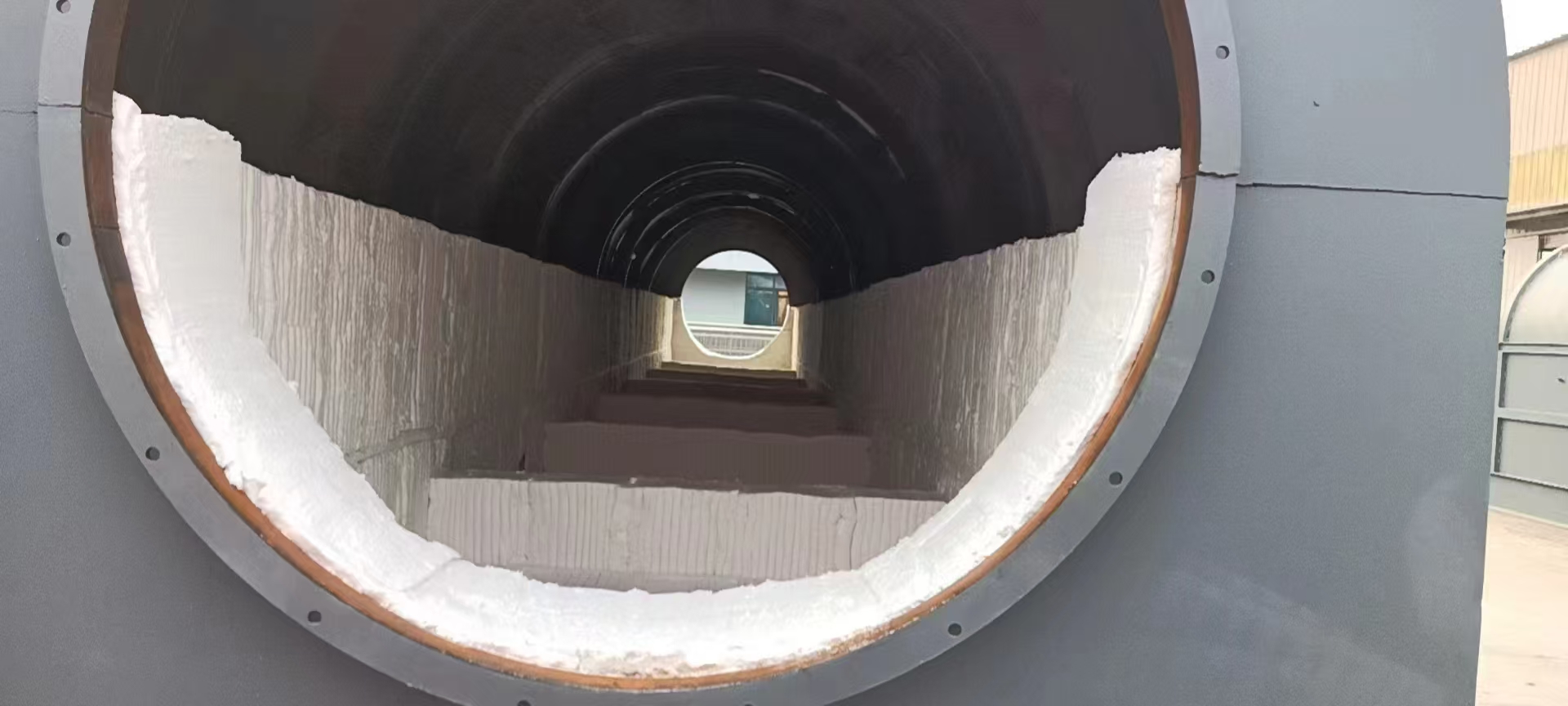
Suitable for furnace walls, roofs, doors, and other thermal protection areas requiring high-performance fiber insulation.
For complete furnace insulation solutions, explore Mindelun’s Isolamento de fornos industriais página.
5. Polycrystalline Fiber Module vs. Conventional Ceramic Fiber Module
Both products are used for industrial furnace insulation, but their fiber compositions and temperature capabilities differ.
| Comparação | Polycrystalline Fiber Module | Conventional Ceramic Fiber Module |
|---|---|---|
| Fiber Structure | Polycrystalline | Mainly amorphous |
| Classification Temperature | Commonly 1600°C | Commonly 1260–1430°C |
| Thermal Stability | Excellent | Depends on fiber grade |
| Shrinkage Resistance | Very good | Varies with temperature and grade |
| Main Applications | Extreme high-temperature zones | General industrial furnaces |
| Material Cost | Generally higher | Generally more economical |
For furnace zones operating at very high temperatures, polycrystalline mullite fiber modules offer an advanced insulation option. Conventional ceramic fiber modules remain suitable for many lower-temperature applications.
6. How to Choose the Right Polycrystalline Fiber Module?
Selecting a suitable module requires considering both material performance and furnace construction.
- Operating Temperature: Confirm continuous working temperature and peak temperature.
- Module Density: Select density according to insulation and mechanical requirements.
- Module Dimensions: Match thickness, length, and width to the furnace lining design.
- Compression Structure: Confirm compression and recovery requirements to minimize installation gaps.
- Anchoring System: Choose suitable fixing components according to furnace shell design.
- Working Environment: Consider thermal cycling, gas flow, chemical exposure, and mechanical erosion.
Providing furnace drawings, operating temperatures, and installation details helps suppliers recommend suitable module specifications.
7. Polycrystalline Fiber Module for Sale from Mindelun
Mindelun supplies high-performance polycrystalline mullite fiber insulation materials for industrial furnaces, kilns, and thermal processing equipment.
Our polycrystalline fiber product range includes:
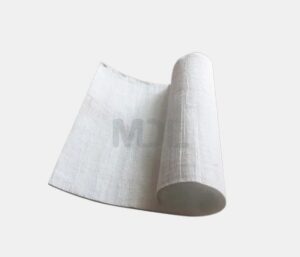
- Polycrystalline Mullite Fiber Blanket
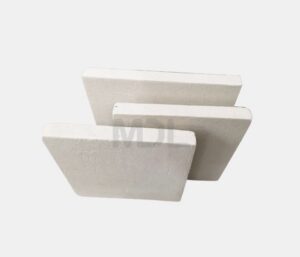
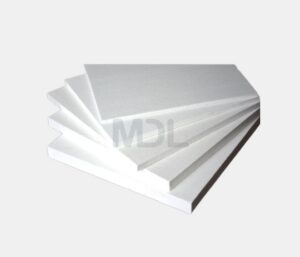
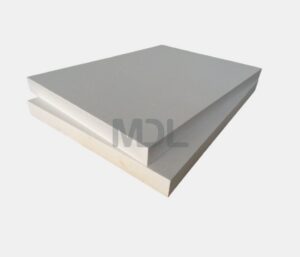
- Placa de fibra de mulita policristalina
- Polycrystalline Mullite Fiber Module
- Bloco de revestimento em fibra de mulita policristalina
Why Choose Mindelun?
- Serviços OEM e ODM: Customized product dimensions, specifications, and packaging.
- Contratação flexível: Support for samples, different specifications, and mixed-product orders.
- Controlo de qualidade: Product inspection and specification confirmation before shipment.
- Fornecimento direto da fábrica: Competitive sourcing solutions for distributors and industrial customers.
- Global Export Support: Professional export packaging and international shipping coordination.
Explore a nossa Polycrystalline Mullite Fiber Insulation Products for more information about available solutions.
For related rigid insulation applications, see our Placa de fibra de mulita policristalina product guide.
Learn more about Mindelun and our industrial insulation supply capabilities.
8. Frequently Asked Questions
Q1: What is the maximum temperature of a polycrystalline mullite fiber module?
Many PCW modules have a classification temperature of 1600°C. The recommended continuous operating temperature depends on the specific grade and application conditions.
Q2: What is the difference between polycrystalline fiber and ceramic fiber modules?
Polycrystalline fiber modules use a crystalline mullite-based fiber structure, offering improved high-temperature stability and shrinkage resistance compared with many conventional ceramic fiber grades.
Q3: Where are polycrystalline wool fiber modules used?
They are commonly used in steel reheating furnaces, glass furnaces, ceramic kilns, heat treatment equipment, and other high-temperature industrial systems.
Q4: Can polycrystalline fiber modules be customized?
Yes. Module dimensions, density, compression, folding structure, and anchoring configuration can be customized or specified according to manufacturing capabilities and furnace requirements.
Q5: What information is required for a quotation?
Please provide the operating temperature, furnace dimensions, module size, density, quantity, anchoring requirements, and application details.
Contacte a Mindelun for Polycrystalline Fiber Module Solutions
Looking for polycrystalline fiber modules for sale?
Contact Mindelun for product specifications, customized module solutions, OEM & ODM services, and competitive B2B quotations.
 Portuguese
 English
 Arabic
 French
 German
 Spanish
 Russian
 Indonesian