
Ceramic fiber insulation is widely used in industrial furnaces, kilns, boilers, and high-temperature equipment due to its excellent thermal insulation, lightweight structure, and high-temperature resistance. However, are ceramic fiber insulation materials waterproof?
The answer is no. Standard ceramic fiber insulation materials are not waterproof. Their porous fiber structure allows moisture to enter easily, potentially affecting insulation performance and material stability.
Understanding how moisture affects different ceramic fiber products can help users make better purchasing and application decisions.
1. Why Are Ceramic Fiber Insulation Materials Not Waterproof?
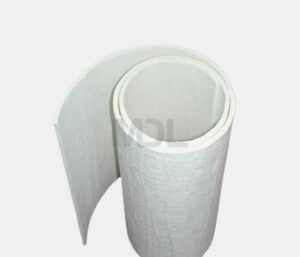
Ceramic fiber insulation materials are mainly made from alumina and silica-based fibers. Their porous structure traps air, providing excellent thermal insulation and low thermal conductivity.
However, this structure also makes them susceptible to moisture absorption.
When ceramic fiber insulation gets wet, several problems may occur:
- Reduced insulation performance: Water increases thermal conductivity and reduces insulation efficiency.
- Increased weight: Absorbed moisture makes the material heavier.
- Structural changes: Prolonged exposure to water may cause deformation, sagging, or delamination.
- Heating risks: Rapid heating of wet insulation may cause trapped water to turn into steam, potentially damaging the insulation lining.
Ceramic fibers do not necessarily decompose when exposed to water. Some products can recover after proper drying, provided their structure and physical properties remain intact.
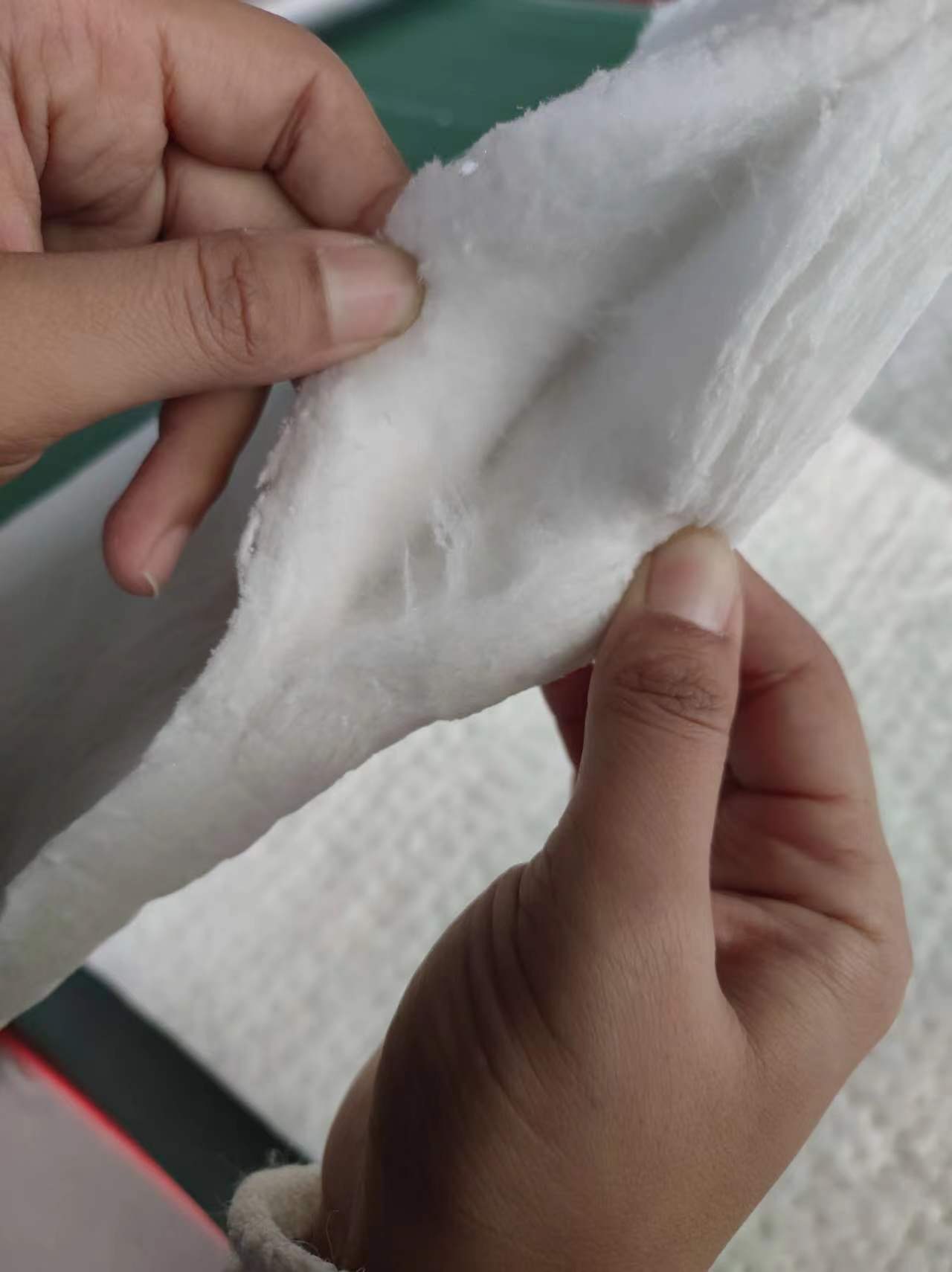
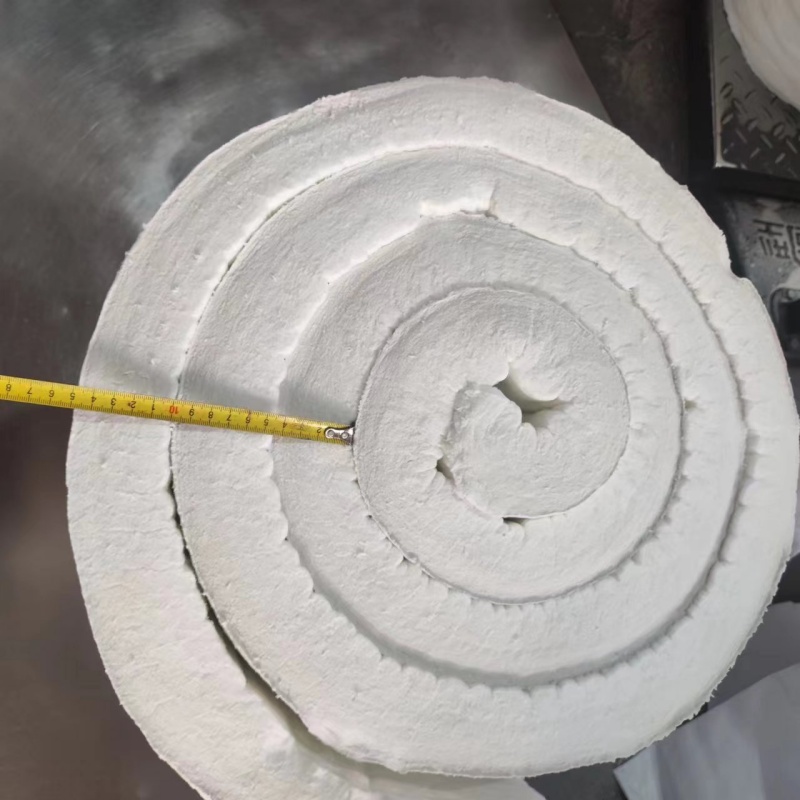
2. How Does Water Affect Different Ceramic Fiber Products?
Different ceramic fiber insulation materials have different structures and moisture resistance.
| Product Type | Moisture Sensitivity | Potential Effects |
|---|---|---|
| Manta de fibra cerâmica | High | Water absorption, sagging, reduced insulation efficiency |
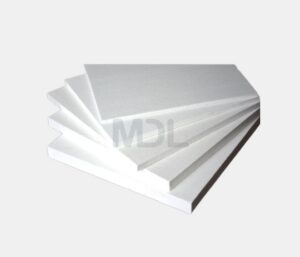
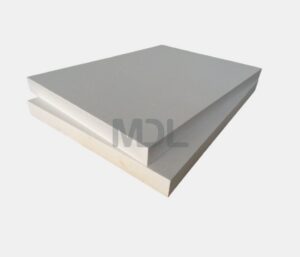
| Placa de fibra cerâmica | Moderate | Moisture absorption, possible dimensional changes |
| Módulo de fibra cerâmica | High | Moisture trapped between compressed fiber layers |
| Papel de fibra cerâmica | High | Reduced handling strength and possible deformation |
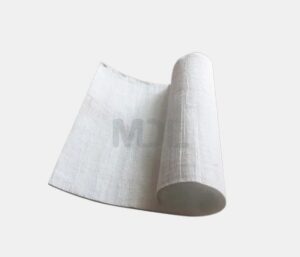
| Ceramic Fiber Felt | High | Moisture absorption and changes in physical stability |
Although their moisture absorption characteristics vary, standard ceramic fiber products should all be protected from prolonged water exposure.
Explore our products:
3. Are Water-Repellent Ceramic Fiber Insulation Materials Available?
Yes. Some manufacturers offer specially treated water-repellent ceramic fiber insulation materials.
These products use hydrophobic additives or surface treatments to reduce water absorption. They are suitable for applications where occasional moisture exposure is a concern.
However, water-repellent does not mean completely waterproof.
Before purchasing, buyers should confirm:
- Whether the product is standard or water-repellent.
- Water repellency or water absorption test results.
- Whether the treatment affects high-temperature performance.
- Whether the product meets the actual application requirements.
A professional ceramic fiber insulation materials supplier should provide clear technical specifications and relevant test reports.
4. What Should You Do If Ceramic Fiber Insulation Gets Wet?
If ceramic fiber insulation accidentally gets wet, replacement is not always necessary. Proper treatment depends on the degree of moisture exposure and material condition.
Recommended steps:
- Stop installation: Do not install wet insulation in high-temperature equipment.
- Dry thoroughly: Place the material in a dry, well-ventilated area or use suitable low-temperature drying.
- Inspect carefully: Check for deformation, sagging, delamination, and damage to binders.
- Heat gradually: After drying and inspection, follow a controlled heating schedule to avoid damage from trapped moisture.
Replace materials that have suffered significant structural damage.
5. How to Store Ceramic Fiber Insulation Materials Properly?
Proper storage helps maintain product quality before installation.
We recommend:
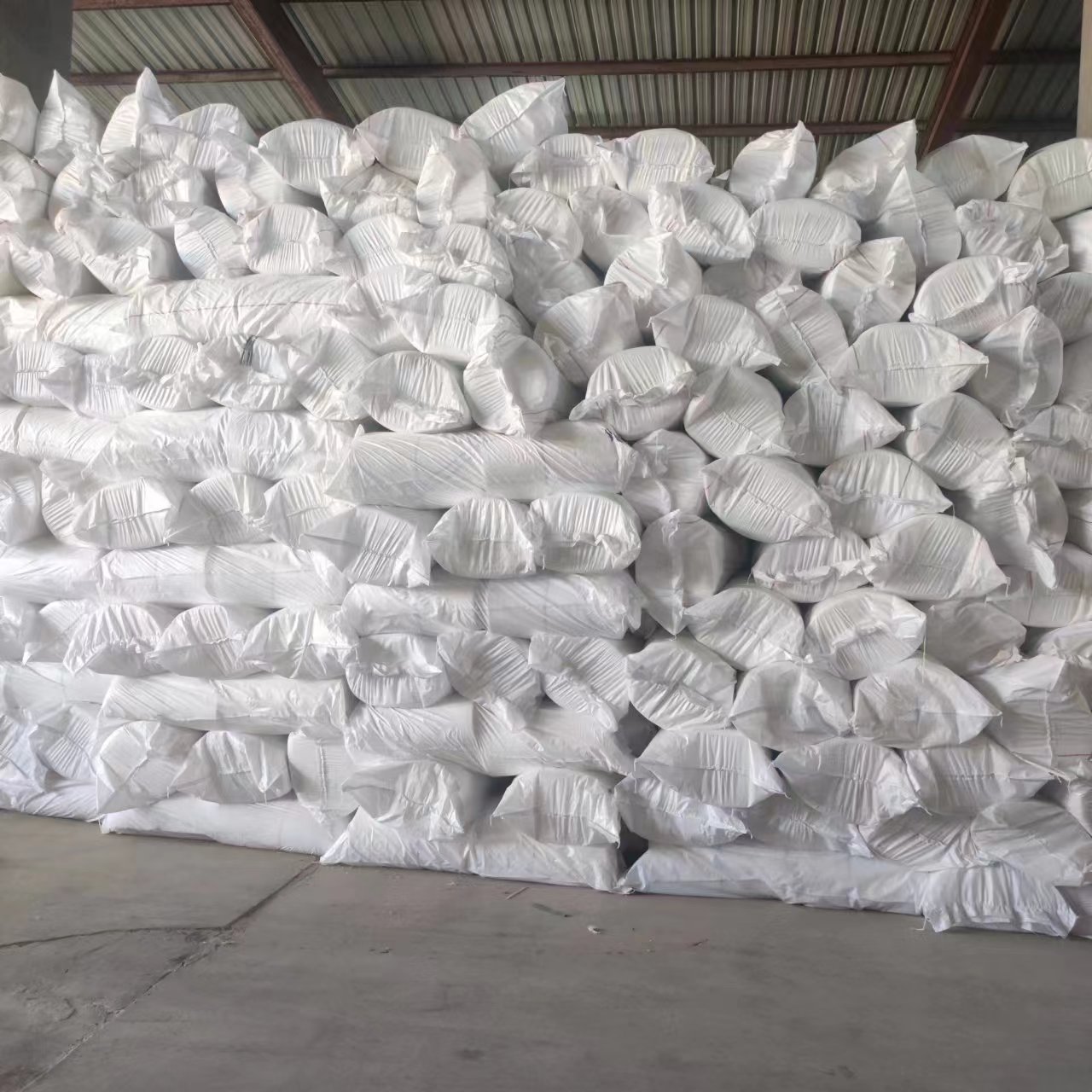
- Store products in a dry, covered, and ventilated warehouse.
- Keep original packaging intact until use.
- Place products on pallets instead of directly on the ground.
- Avoid rain, standing water, and excessive humidity.
- Use suitable moisture-resistant packaging during international transportation.
These practices help protect ceramic fiber insulation materials and maintain their original condition.
6. Choose a Reliable Ceramic Fiber Insulation OEM Supplier
Choosing the right ceramic fiber insulation involves more than temperature resistance and density. Moisture exposure, product structure, and installation conditions should also be considered.
Enquanto profissional Ceramic Fiber Insulation Materials Supplier, Mindelun provides a wide range of high-temperature insulation products, including ceramic fiber blankets, boards, modules, papers, and customized shapes.
As nossas vantagens incluem:
- Serviços OEM e ODM: Customized dimensions, densities, packaging, and product specifications.
- Controlo de qualidade: Inspection of raw materials, production processes, and finished products.
- Flexible Supply: Samples, mixed orders, bulk purchasing, and customized packaging.
- Factory-Direct Pricing: Competitive quotations and stable production lead times.
Na qualidade de profissional experiente Ceramic Fiber Insulation OEM Supplier, Mindelun supports distributors, contractors, and industrial customers with reliable products and customized insulation solutions.
Conclusão
Ceramic fiber insulation materials are not naturally waterproof. Their porous structure makes them susceptible to moisture absorption, which may reduce insulation efficiency and affect structural stability.
Although water-repellent products are available, proper storage, moisture protection, and controlled drying remain essential.
Looking for a reliable ceramic fiber insulation materials supplier? Contacte a Mindelun for product specifications, OEM & ODM services, and competitive factory-direct quotations.
 Portuguese
 English
 Arabic
 French
 German
 Spanish
 Russian
 Indonesian