
Cara Memilih Gasket Serat Keramik untuk Pintu Tungku Industri
Industrial furnace doors require reliable sealing materials to minimize heat loss, prevent hot air leakage, and maintain stable operating temperatures. Choosing the right ceramic fiber gasket helps improve furnace efficiency, reduce energy consumption, and extend maintenance intervals.
Ceramic fiber cloth gaskets are widely used in industrial furnaces, kilns, thermal equipment, and high-temperature access doors. However, selecting the right gasket requires more than checking its temperature resistance. Density, thickness, reinforcement material, sealing gap, and installation conditions are also important.
This guide explains how to choose suitable ceramic fiber gaskets for industrial furnace doors and what buyers should consider when sourcing from a professional manufacturer.
1. Choose the Correct Temperature Classification
Temperature resistance is the first factor to consider when selecting a high-temperature furnace door seal.
Mindelun ceramic fiber cloth is available in two classification temperature grades:
| Ceramic Fiber Cloth Grade | Classification Temperature |
|---|---|
| 1000°C Ceramic Fiber Cloth | 1.000 °C |
| 1260°C Ceramic Fiber Cloth | 1260°C |
The classification temperature indicates the material’s temperature grade. It should not be treated as its recommended continuous operating temperature.
For reinforced ceramic fiber cloth, the reinforcement material also affects the overall service temperature:
- Glass fiber reinforced ceramic fiber cloth: Continuous service temperature up to approximately 650°C.
- Stainless steel wire reinforced ceramic fiber cloth: Continuous service temperature up to approximately 1000°C.
These are general product references. Actual performance depends on the fiber grade, reinforcement structure, atmosphere, and operating conditions.
When purchasing kain serat keramik, buyers should confirm both the classification temperature and the continuous service temperature of the complete reinforced product.
For example, a gasket made from 1260°C classification ceramic fiber cloth does not automatically mean that the reinforced gasket can operate continuously at 1260°C.
2. Check Density and Select the Right Gasket Thickness
Density and thickness influence gasket structure, flexibility, compression behavior, and sealing performance.
Ceramic Fiber Cloth Density
The standard density of Mindelun ceramic fiber cloth is 550 kg/m³.
This provides a consistent reference when selecting ceramic fiber cloth for insulation and gasket fabrication.
For buyers comparing different ceramic fiber gasket suppliers, it is important to confirm that the quoted density refers to the ceramic fiber cloth itself rather than another insulation material or a different finished product.
Common Gasket Thicknesses
Common ceramic fiber cloth gasket thicknesses include:
- 3 mm
- 4 mm
- 5 mm
- 6 mm
The appropriate thickness depends on the furnace door sealing gap and surface condition.
- Thin gaskets: Suitable for relatively flat sealing surfaces and narrow gaps.
- Thicker gaskets: Help compensate for uneven surfaces and larger sealing gaps.
- Custom thicknesses: Can be considered according to equipment drawings and installation requirements.
A gasket that is too thin may not provide sufficient sealing compensation. An excessively thick gasket may require additional installation space and may become unstable under compression.
Buyers should evaluate thickness together with the required compression and fastening conditions.
3. Select the Appropriate Reinforcement Material
Reinforcement improves the mechanical strength and handling properties of ceramic fiber cloth. It is particularly important for furnace door gaskets that experience repeated installation, removal, or mechanical contact.
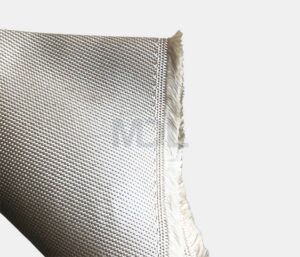
Kain Serat Keramik yang Diperkuat Serat Kaca
Glass fiber reinforced ceramic fiber cloth is suitable for moderate-temperature insulation and sealing applications.
Contoh aplikasi yang umum antara lain:
- General industrial furnace door sealing
- Thermal insulation joints
- Equipment covers and access panels
- Moderate-temperature sealing applications
Its typical continuous service temperature is approximately 650°C, subject to the manufacturer’s specifications.
Stainless Steel Wire Reinforced Ceramic Fiber Cloth
Stainless steel wire reinforced ceramic fiber cloth provides improved mechanical strength and handling stability.
It is suitable for:
- Higher-temperature furnace door sealing
- Applications involving frequent opening and closing
- Sealing areas requiring better mechanical stability
- Industrial thermal equipment with demanding installation conditions
Its typical continuous service temperature can reach approximately 1000°C, depending on the product construction and operating environment.
Important: The reinforcement material may become the limiting factor in the complete gasket’s temperature performance. Buyers should evaluate the ceramic fiber grade and reinforcement together rather than relying only on the classification temperature.
4. Confirm Gasket Dimensions and Custom Processing Requirements
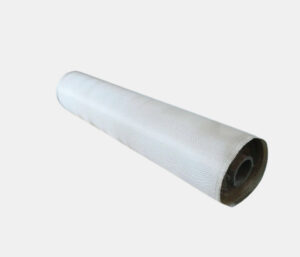
Industrial furnace doors come in different shapes and sealing structures. Standard ceramic fiber cloth rolls may not meet every installation requirement.
A professional ceramic fiber gasket manufacturer should be able to provide customized cutting and processing according to customer drawings or samples.
Common gasket shapes include:
- Rectangular gaskets
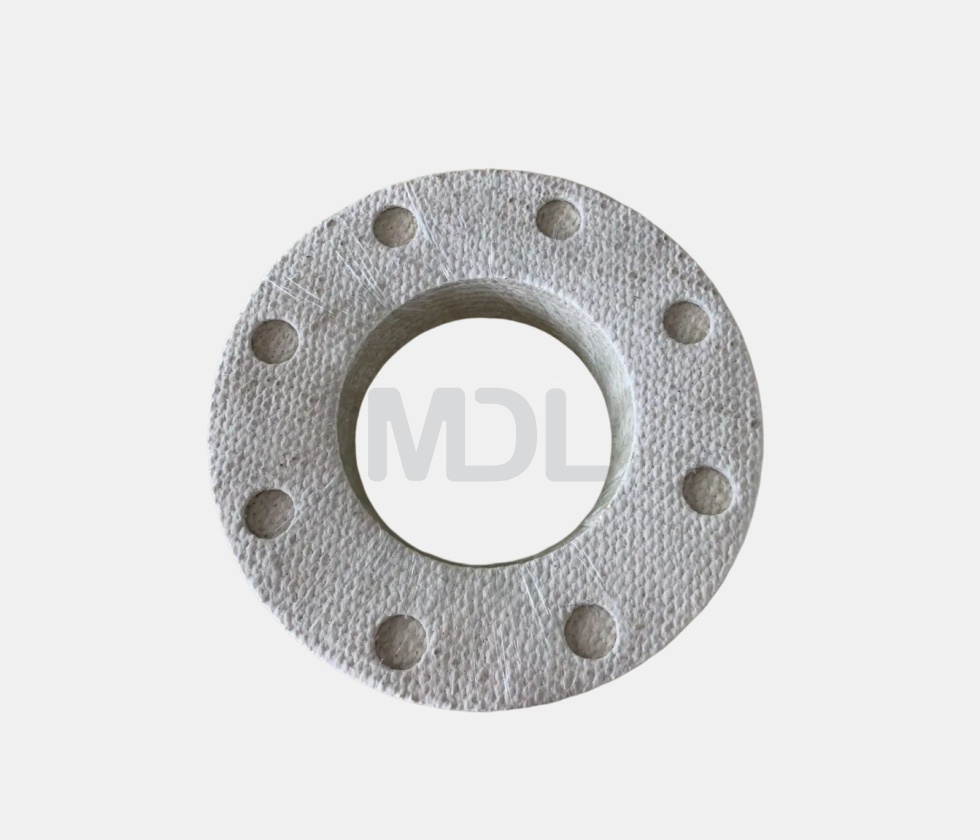
- Circular gaskets
- Ring gaskets
- Gaskets with bolt holes
- Special-shaped furnace door seals
Before requesting a quotation, buyers should prepare:
- Required length, width, and thickness
- Inner and outer diameters, if applicable
- Reinforcement material
- Actual operating temperature
- Estimated order quantity
- Drawings, samples, or photographs of the sealing area
For customized ceramic fiber cloth gaskets, accurate dimensions help manufacturers recommend suitable materials, improve production efficiency, and reduce installation problems.
5. Other Ceramic Fiber Products for Furnace Insulation
Besides furnace door sealing, industrial furnaces require different insulation materials for their linings, walls, roofs, and equipment connections.
Depending on the furnace design, buyers may also consider:
- Selimut Serat Keramik: Flexible insulation for furnace linings, kiln walls, and thermal equipment.
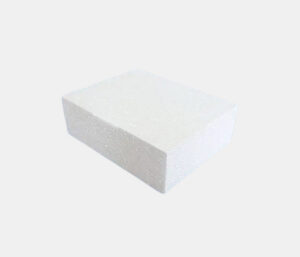
- Papan Serat Keramik: Rigid insulation for furnace panels and applications requiring dimensional stability.
- Kertas Serat Keramik: Thin, flexible material for high-temperature insulation, gaskets, and sealing applications.
- Modul Serat Keramik: Prefabricated insulation units for industrial furnace linings.
For a complete furnace insulation solution, visit our Isolasi Tungku Industri page to explore more product options.
6. Installation and Maintenance Considerations
Correct installation is essential for maintaining the sealing performance of ceramic fiber gaskets.
Even Compression
Tighten bolts evenly to prevent localized over-compression, which may damage the fiber structure and reduce gasket thickness.
Initial Heating
Some ceramic fiber cloth products contain organic binders or processing components. During initial heating, these components may decompose and produce smoke or odor.
The amount depends on the product formulation and pre-treatment process. For applications requiring low emissions, buyers should confirm binder content and pre-treated options with the supplier.
Regular Inspection
Inspect gaskets periodically for fiber deterioration, surface damage, excessive compression, or signs of thermal degradation. Replace damaged gaskets when their sealing performance is affected.
Follow Equipment Manufacturer Recommendations
Bolt torque, compression requirements, and retightening procedures should follow the furnace or equipment manufacturer’s instructions. Do not automatically retighten fasteners while equipment is hot or pressurized.
7. Ceramic Fiber Gasket Selection Guide
The following table provides a preliminary purchasing reference for industrial furnace door sealing.
| Application Requirement | Recommended Considerations |
|---|---|
| Moderate-temperature furnace doors | Glass fiber reinforced ceramic fiber cloth |
| Continuous service up to approximately 650°C | Glass fiber reinforced gasket, subject to verification |
| Applications above 650°C | Consider stainless steel wire reinforced gasket |
| Continuous service up to approximately 1000°C | Stainless steel wire reinforced gasket, subject to verification |
| Uneven sealing surfaces | Select suitable gasket thickness and compression characteristics |
| Frequent furnace door operation | Prioritize mechanical strength and reinforcement |
| Special-shaped sealing areas | Custom-cut ceramic fiber gaskets |
For applications exceeding the verified service temperature of reinforced ceramic fiber cloth, buyers should consider a different high-temperature sealing material or a specially engineered gasket solution.
8. What Should Buyers Check When Choosing a Ceramic Fiber Gasket Supplier?
Price is important, but it should not be the only purchasing consideration. An unsuitable gasket may cause heat leakage, frequent replacement, and additional maintenance costs.
Before placing a bulk order, consider the following:
- Temperature performance: Confirm classification temperature and recommended continuous service temperature.
- Product specifications: Check density, thickness, reinforcement, and dimensional tolerances.
- Mechanical performance: Request available tensile strength, compression, and recovery data.
- Customization capability: Confirm whether the supplier can manufacture gaskets according to drawings or samples.
- Quality documentation: Request technical data sheets, inspection reports, and relevant test certificates.
- Supply capacity: Evaluate production lead time, packaging, and export experience.
For distributors, furnace manufacturers, and industrial contractors, working with a reliable ceramic fiber gasket manufacturer helps ensure consistent product quality and more efficient procurement.
9. Mindelun – Custom Ceramic Fiber Gaskets for Industrial Applications
Mindelun supplies ceramic fiber insulation materials and customized products for industrial furnaces, thermal equipment, and high-temperature sealing applications.
Kami kain serat keramik has a standard density of 500 kg/m³ and is available in 1000°C and 1260°C classification temperature grades.
Reinforcement options include glass fiber and stainless steel wire, with different continuous service temperature capabilities according to product construction.
Our product and processing solutions include:
- Ceramic fiber cloth with glass fiber or stainless steel wire reinforcement
- Custom ceramic fiber cloth gaskets
- Different thicknesses and dimensions
- Special-shaped gasket cutting according to drawings or samples
- OEM and ODM support for distributors and industrial customers
Whether you need standard ceramic fiber cloth gaskets or customized furnace door seals, our team can help evaluate the material structure and specifications according to your application.
Contact Mindelun with your drawings, dimensions, operating temperature, reinforcement requirements, and estimated quantity to request a suitable solution and quotation.
Pertanyaan yang Sering Diajukan
1. What is the density of ceramic fiber cloth?
The standard density of Mindelun ceramic fiber cloth is 500 kg/m³. Buyers should confirm the density of the actual product when comparing different specifications.
2. What classification temperatures are available for ceramic fiber cloth?
Mindelun ceramic fiber cloth is available in two classification temperature grades: 1000°C and 1260°C. These classification temperatures should not be confused with the continuous service temperature of reinforced cloth.
3. What is the continuous service temperature of reinforced ceramic fiber cloth?
Glass fiber reinforced ceramic fiber cloth has a typical continuous service temperature of approximately 650°C, while stainless steel wire reinforced ceramic fiber cloth can reach approximately 1000°C. Actual performance depends on product construction and operating conditions.
4. What thicknesses are available for ceramic fiber gaskets?
Common thicknesses include 3 mm, 4 mm, 5 mm, and 6 mm. Custom dimensions and thicknesses can be evaluated according to customer drawings and application requirements.
5. Can ceramic fiber cloth gaskets be customized?
Yes. Ceramic fiber cloth gaskets can be cut into rectangular, circular, ring-shaped, and other special shapes according to customer drawings or samples.
6. What information is needed for a ceramic fiber gasket quotation?
Please provide the required dimensions, thickness, operating temperature, reinforcement type, order quantity, and drawings or samples if available. This information helps the manufacturer recommend a suitable product and prepare an accurate quotation.
Looking for a reliable ceramic fiber gasket supplier? Hubungi Mindelun for customized high-temperature furnace door sealing solutions.
 Indonesian
 English
 Arabic
 French
 German
 Spanish
 Portuguese
 Russian