Pasar Ekspor Serat Keramik Tiongkok pada Tahun 2026: Harga, Pemasok, dan Panduan Pembelian
China is one of the world’s major manufacturing bases for ceramic fiber insulation materials. With a complete industrial supply chain and a wide range of products, Chinese manufacturers supply ceramic fiber blankets, boards, papers, modules, bulk, ropes, and other high-temperature insulation materials to global markets.
However, the ceramic fiber export market is becoming increasingly competitive in 2026. Changes in manufacturing costs, export policies, raw material prices, and international transportation are influencing suppliers and overseas buyers.
For distributors, wholesalers, contractors, and industrial manufacturers, purchasing ceramic fiber products is no longer simply about finding the lowest price. Product quality, manufacturing capability, delivery reliability, and total procurement costs are equally important.
This article examines the latest challenges in China’s ceramic fiber export market and explains how international buyers can select suitable products and reliable suppliers.
1. Major Changes in China’s Ceramic Fiber Export Market in 2026
China’s ceramic fiber industry has developed a comprehensive manufacturing and supply chain, supporting a wide range of high-temperature insulation applications.
Nevertheless, manufacturers and exporters are facing several challenges.
Rising Manufacturing and Operating Costs
Ceramic fiber production involves various cost factors, including raw materials, energy consumption, labor, environmental protection, packaging, and transportation.
Changes in export tax rebate policies may also affect the export costs of certain products. However, the actual impact depends on the applicable HS code, product classification, and export date. Buyers should not assume that all ceramic fiber products are subject to the same tax treatment.
For international customers, understanding these cost factors helps explain why quotations from different manufacturers can vary significantly.
Increasing Price Competition Among Suppliers
The number of ceramic fiber manufacturers and trading suppliers in China remains considerable.
Some suppliers focus primarily on low prices, while others compete through product consistency, technical support, production capacity, and customized services.
In this competitive environment, unusually low quotations should be evaluated carefully. Differences in density, thickness, fiber quality, and shrinkage performance can affect insulation efficiency and service life.
Growing Demand for Stable Product Quality
Industrial customers increasingly value reliable suppliers who can maintain consistent product specifications across repeat orders.
For distributors and project contractors, unstable product quality or delayed deliveries may result in additional purchasing costs and project delays.
Therefore, choosing an experienced ceramic fiber manufacturer is becoming an important part of long-term procurement planning.
2. What Factors Affect Ceramic Fiber Prices in China?
Ceramic fiber prices are influenced by several factors. Understanding them helps buyers compare quotations more accurately.
Raw Material and Energy Costs
The quality and cost of alumina-silica raw materials, together with energy consumption during production, directly influence manufacturing costs.
Temperature Classification
Ceramic fiber products with different temperature classifications may require different raw materials and manufacturing processes. Higher-temperature products generally involve different cost structures.
Density and Thickness
Density and thickness affect material consumption, product weight, and insulation performance. Buyers should select specifications according to actual operating conditions rather than simply choosing the highest density or thickest product.
Order Quantity and Packaging
Large-volume orders can offer better production planning and packaging efficiency. Consolidating several insulation products into one shipment may also help reduce overall transportation expenses.
Supplier Manufacturing Capability
Manufacturers with their own production facilities and established supply chains may have better control over production schedules, quality, and costs.
For this reason, buyers should compare complete product specifications and delivery terms rather than focusing only on the unit price.
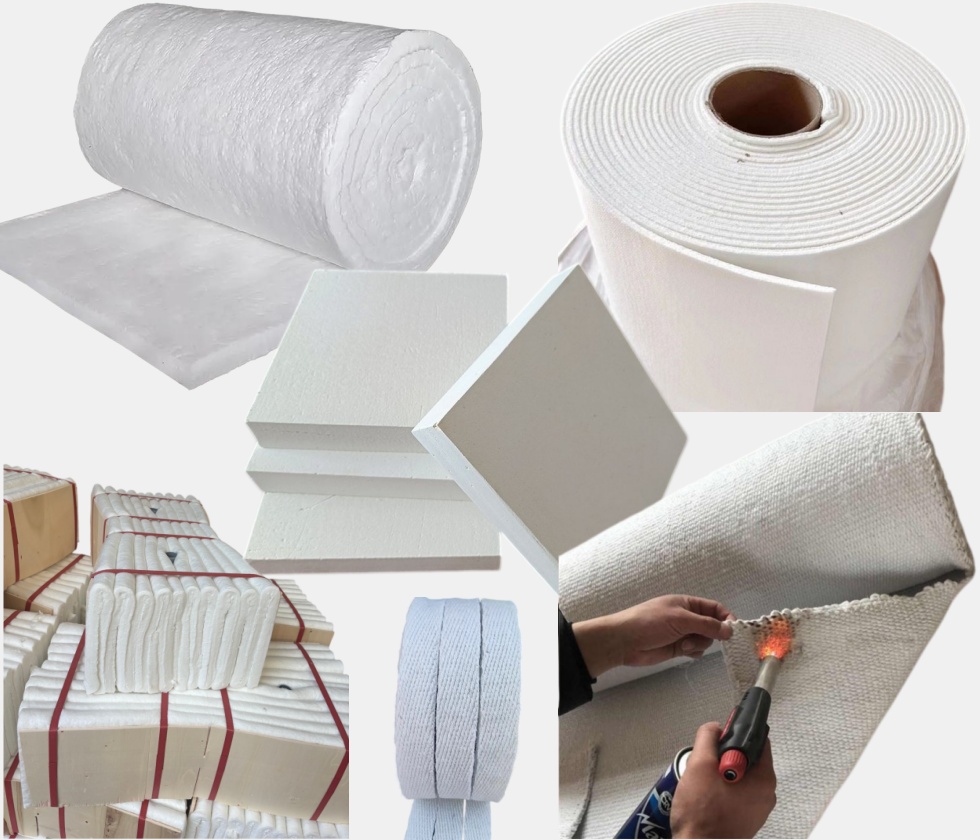
3. Main Ceramic Fiber Products Exported from China
China supplies a wide range of ceramic fiber insulation products for industrial and commercial applications.
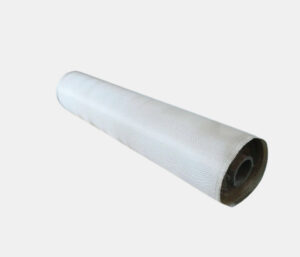
Selimut Serat Keramik
Ceramic fiber blanket is one of the most widely used high-temperature insulation materials.
Common densities include 64, 96, and 128 kg/m³, with different thicknesses and temperature classifications available.
Contoh aplikasi yang umum antara lain:
- Industrial furnace and kiln linings
- Petrochemical pipeline insulation
- Heat treatment equipment
- Boiler and power plant insulation
- Thermal barriers and fire protection systems
Jelajahi Selimut Serat Keramik for different industrial insulation requirements.
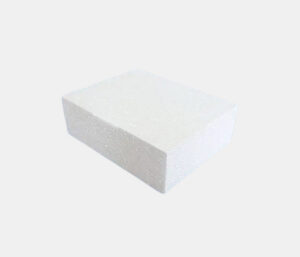
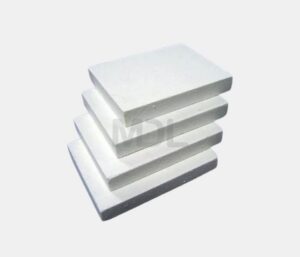
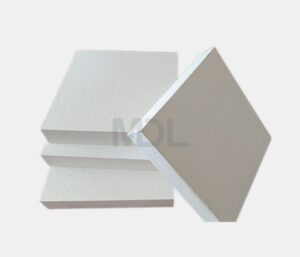
Papan Serat Keramik
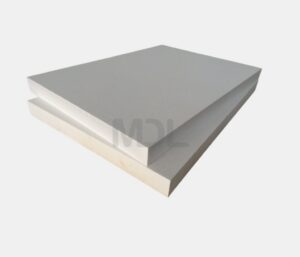
Ceramic fiber board is a rigid insulation material offering good dimensional stability and convenient machining.
It is widely used in furnace doors, burner blocks, thermal barriers, equipment linings, and high-temperature sealing applications.
Density, thickness, compressive strength, and thermal conductivity should be considered when selecting the appropriate board.
Pelajari lebih lanjut tentang Papan Serat Keramik.
Kertas Serat Keramik
Ceramic fiber paper is manufactured through a wet-forming process, providing a relatively uniform structure and smooth surface.
It is suitable for high-temperature gaskets, appliance insulation, thermal barriers, and sealing applications.
Different thicknesses and customized shapes can be supplied according to application requirements.
Lihat Kertas Serat Keramik.
Modul Serat Keramik
Ceramic fiber modules are designed for industrial furnace linings and large-scale thermal insulation projects.
They offer convenient installation and help improve furnace lining efficiency.
Module dimensions, compression ratios, anchoring systems, and installation methods should be selected according to furnace design and operating conditions.
Discover our Ceramic Fiber Modules for Industrial Furnaces.
Other Ceramic Fiber Products
In addition to the main insulation materials, ceramic fiber manufacturers also supply:
- Serat Keramik dalam Bentuk Massal
- Tali Serat Keramik
- Kain Serat Keramik
- Pita Serat Keramik
- Vacuum Formed Ceramic Fiber Shapes
These products serve different sealing, insulation, fire protection, and high-temperature equipment applications.
4. How to Choose a Reliable Ceramic Fiber Supplier in China
Finding a suitable ceramic fiber supplier is essential for importers, distributors, and industrial users.
Before placing an order, buyers should evaluate the following aspects.
Check Product Specifications and Quality
A professional supplier should provide clear technical information, including:
- Classification temperature and recommended continuous operating temperature
- Density and thickness
- Thermal conductivity
- Linear shrinkage
- Dimensions and weight
- Relevant product inspection reports
It is also advisable to request samples before placing large-volume orders.
Evaluate Manufacturing Capability
An experienced ceramic fiber manufacturer with its own production facilities can offer better control over manufacturing schedules, product consistency, and customized orders.
Buyers should also check whether the supplier can support repeat orders and large-volume projects.
Confirm Export Experience and Delivery Time
Export experience is important when sourcing insulation materials internationally.
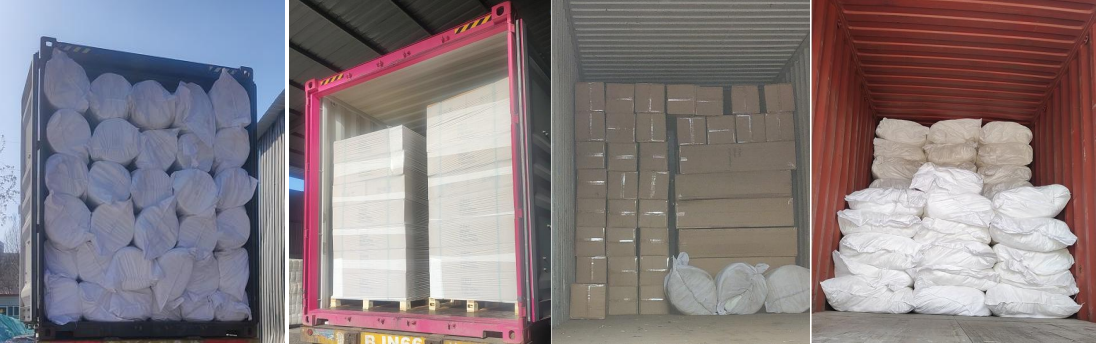
In addition to production lead time, buyers should consider packaging, container loading, export documentation, and transportation arrangements.
Consider OEM and ODM Services
For distributors and wholesalers, customized dimensions, private labeling, packaging, and product documentation can provide additional business value.
Working directly with a ceramic fiber manufacturer that supports OEM and ODM services can also simplify product sourcing and brand development.
5. Why Choose Mindelun for Ceramic Fiber Products?
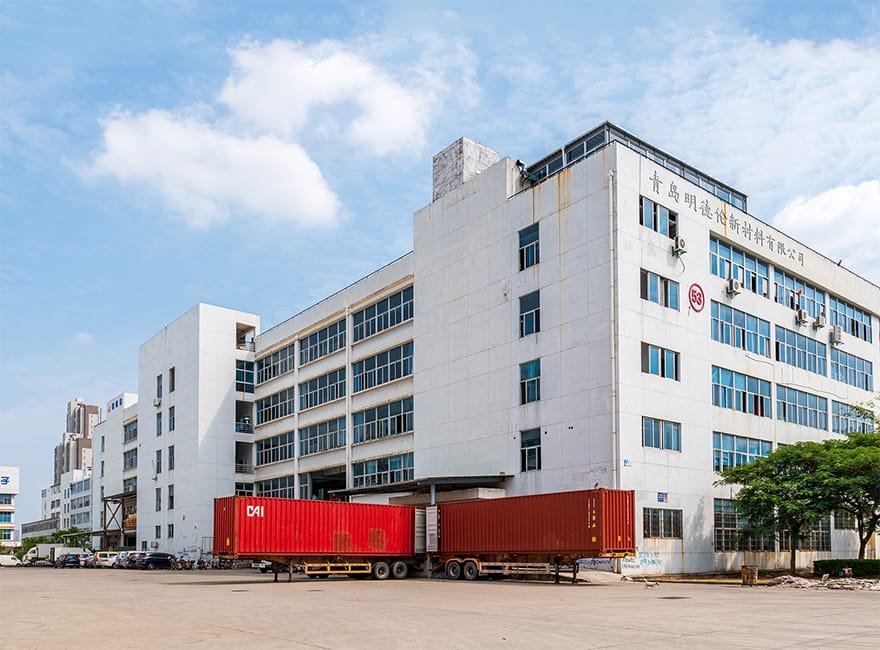
Mindelun specializes in manufacturing and exporting high-temperature insulation materials for international customers.
We focus on providing consistent product quality, competitive factory-direct pricing, and customized insulation solutions.
Complete Product Range
Our main ceramic fiber products include blankets, boards, papers, modules, bulk, ropes, cloth, tape, and vacuum formed shapes.
We also supply calcium silicate products, biosoluble fiber, polycrystalline mullite fiber, rock wool, and other industrial insulation materials.
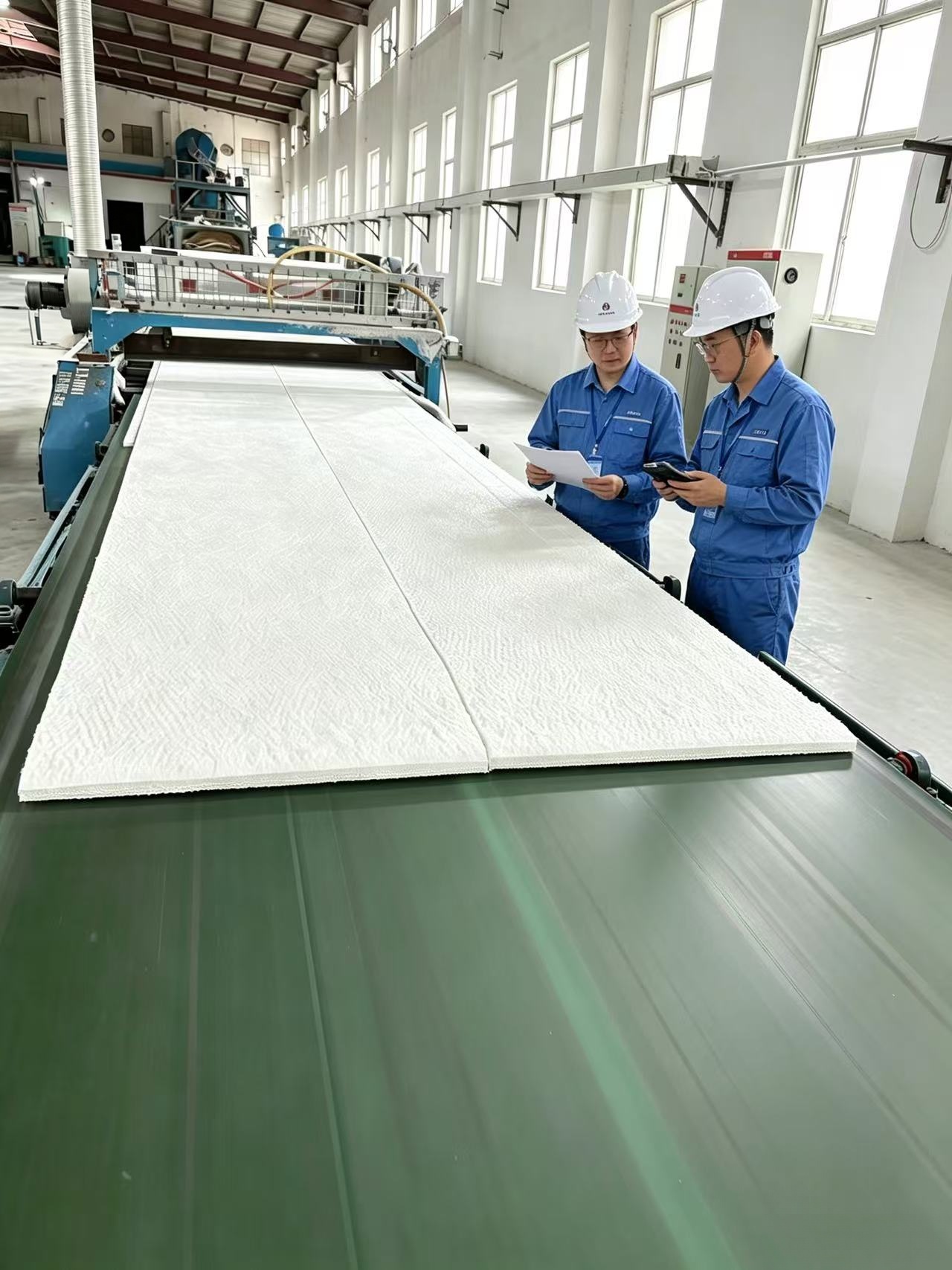
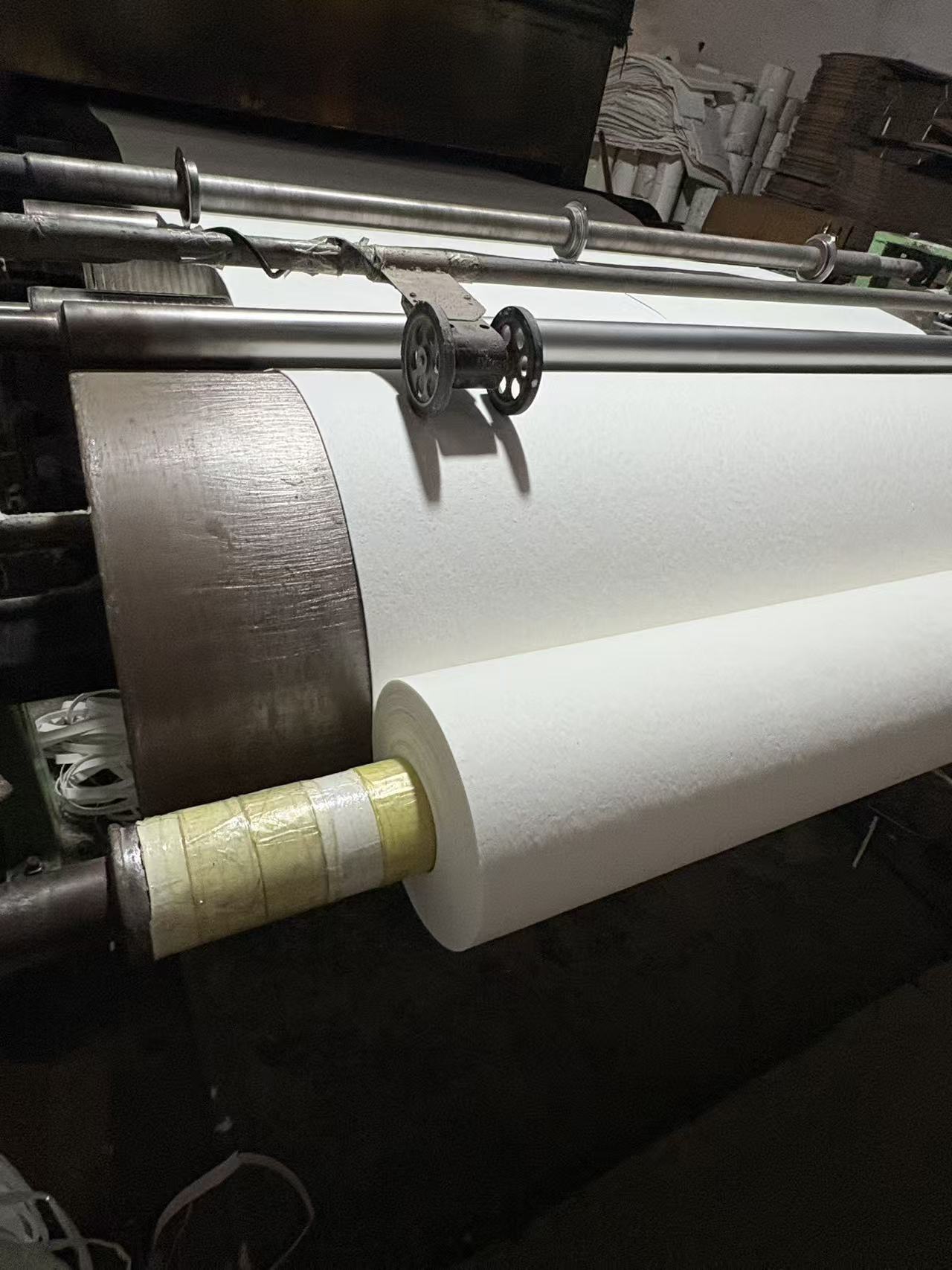
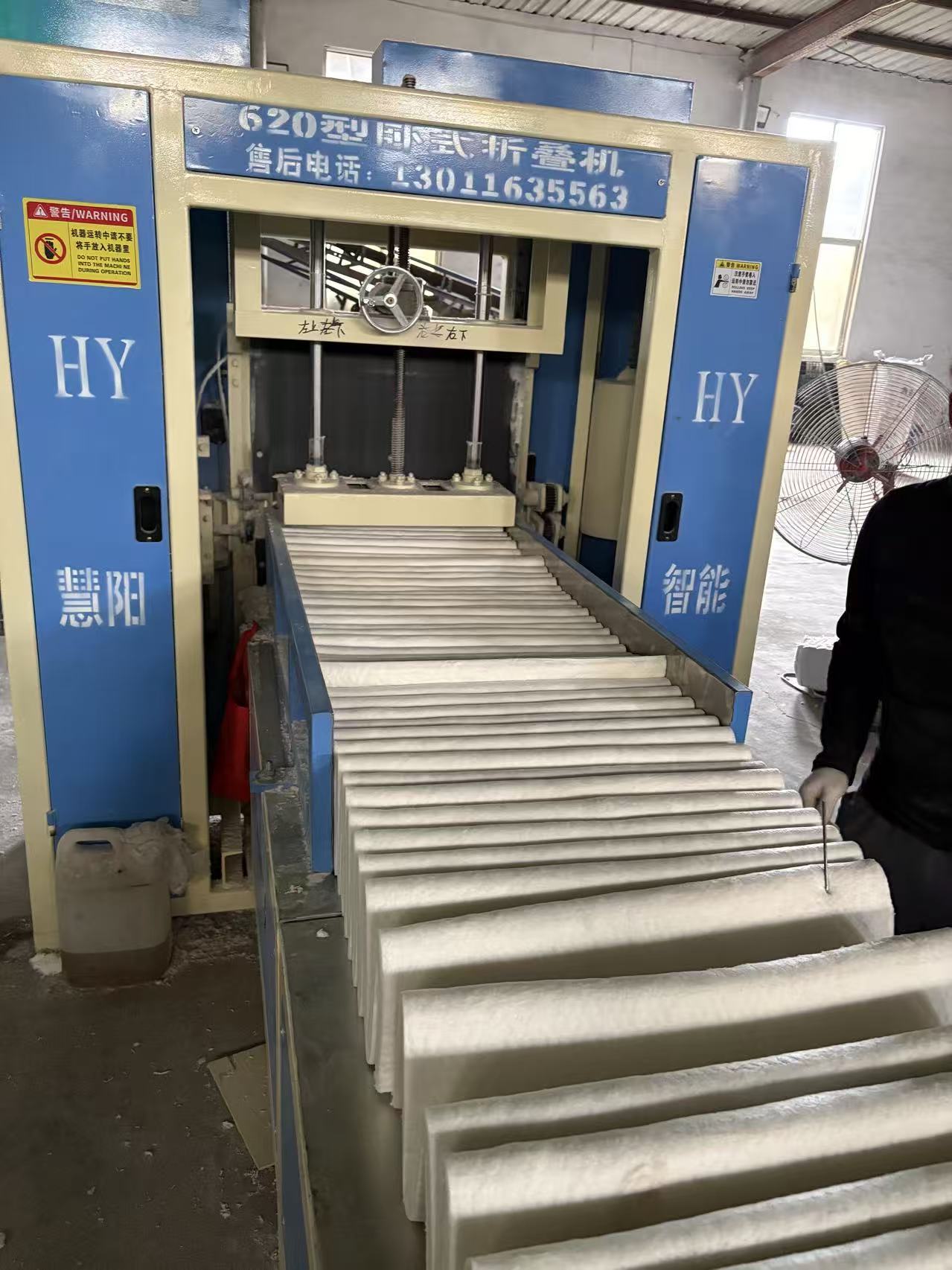
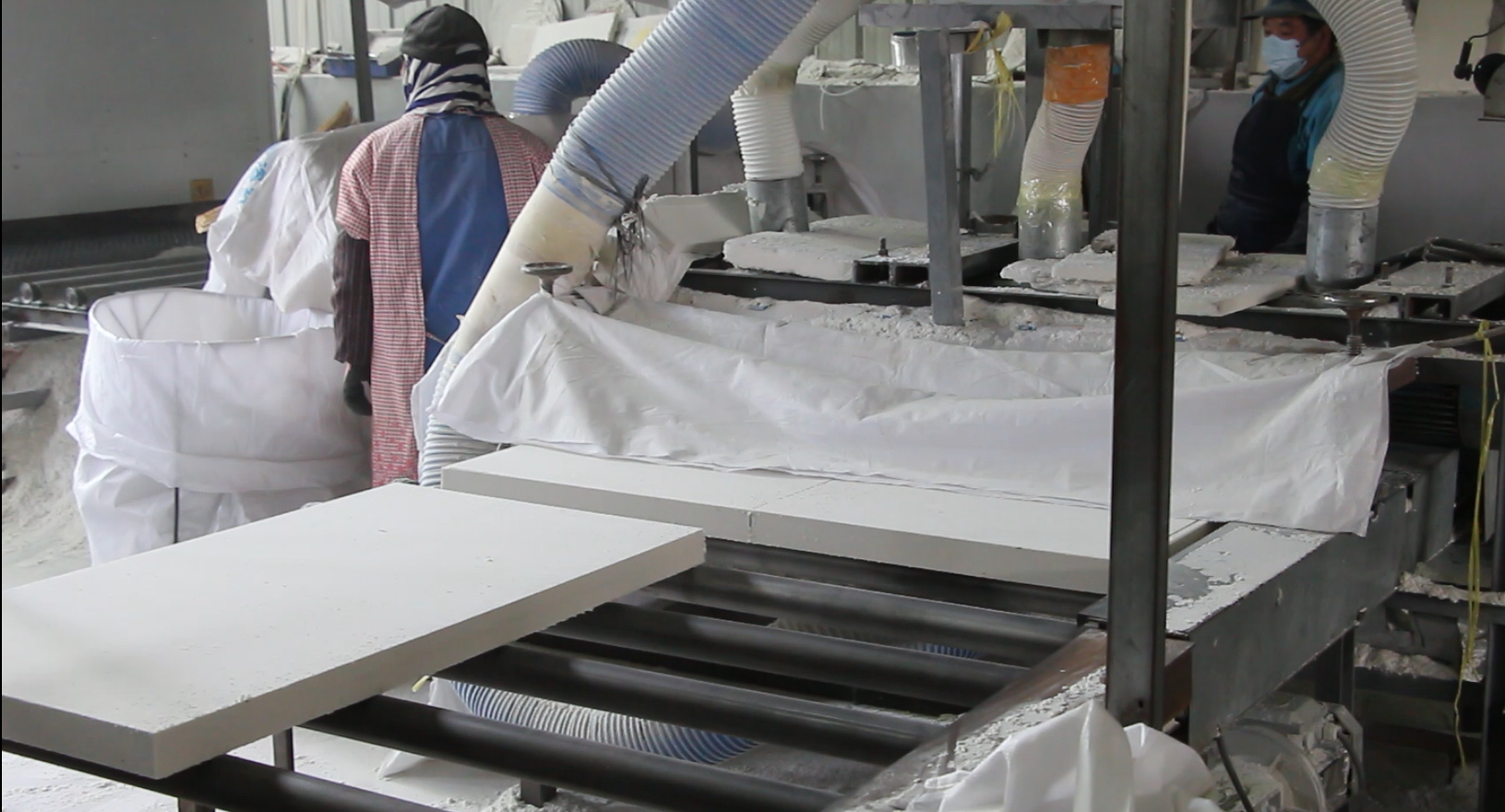
Manufacturing and Quality Control
With our production facilities and established manufacturing processes, we focus on product consistency and reliable order fulfillment.
Our quality control procedures cover important specifications such as density, thickness, dimensions, and thermal performance.
OEM and ODM Customization
We support customized product dimensions, thicknesses, densities, packaging, private labeling, and special-shaped insulation components according to customer requirements.
Flexible Export Services
We support distributors, wholesalers, industrial manufacturers, and project contractors with:
- Pasokan langsung dari pabrik
- Mixed-container orders
- Customized packaging and labeling
- Contoh pesanan
- Export documentation
- International shipping arrangements
For standard specifications, production can often be completed within approximately 15 working days for a typical 40HQ order, subject to product type, quantity, and production schedules.
6. How to Reduce Ceramic Fiber Purchasing Costs
In today’s competitive market, reducing procurement costs does not necessarily mean choosing the cheapest supplier.
International buyers can improve purchasing efficiency through several practical strategies.
1. Select the Correct Temperature Classification
Choose products according to actual operating temperatures and application requirements. Avoid unnecessary over-specification while maintaining an appropriate safety margin.
2. Confirm Density and Thickness Requirements
Excessive density or thickness may increase material costs without providing additional benefits for every application.
3. Consolidate Multiple Products into One Shipment
Purchasing blankets, boards, papers, and other insulation products from one manufacturer can help optimize container utilization and transportation costs.
4. Establish Long-Term Supplier Relationships
Stable cooperation helps improve production planning, product consistency, and order management.
5. Compare Total Procurement Costs
Consider product quality, installation efficiency, transportation expenses, and expected service life instead of comparing only the initial unit price.
At Mindelun, we aim to help customers select suitable insulation materials while controlling overall purchasing costs.
7. Frequently Asked Questions About Ceramic Fiber Products from China
Is China a competitive source for ceramic fiber products?
Yes. China has an established ceramic fiber manufacturing industry, a broad product range, and an integrated supply chain. International buyers can source different high-temperature insulation materials from experienced manufacturers.
How can I find a reliable ceramic fiber manufacturer in China?
Check the manufacturer’s production facilities, technical specifications, quality control procedures, export experience, and ability to support repeat orders. Requesting product samples is also recommended.
Can I purchase different ceramic fiber products in one container?
Yes. Mindelun supports mixed-container orders for multiple insulation products, subject to product compatibility, packaging requirements, and container loading arrangements.
Does Mindelun provide OEM and ODM services?
Yes. We offer customized product dimensions, packaging, private labeling, and special-shaped insulation solutions according to customer requirements.
How long does ceramic fiber production take?
For many standard specifications, production can often be completed within approximately 15 working days for a typical 40HQ order. Actual lead time depends on product specifications and order quantity.
Conclusion: Choose the Right Ceramic Fiber Supplier, Not Just the Lowest Price
China’s ceramic fiber export market continues to evolve in 2026. Increasing price competition, changing manufacturing costs, and higher expectations for product quality are influencing purchasing decisions.
For overseas buyers, choosing the right ceramic fiber supplier means balancing product performance, manufacturing capability, delivery reliability, and overall procurement costs.
As a professional high-temperature insulation manufacturer and exporter, Mindelun is committed to supplying reliable ceramic fiber products and customized insulation solutions for global customers.
Contact Mindelun today to discuss your ceramic fiber requirements and receive a competitive factory-direct quotation.
 Indonesian
 English
 Arabic
 French
 German
 Spanish
 Portuguese
 Russian