
Reinforced Calcium Silicate Board for Industrial Insulation Applications
Industrial equipment often requires insulation materials that provide both thermal protection and mechanical strength. Reinforced calcium silicate is an option for applications where a rigid board or custom-machined component is needed. By incorporating reinforcing fibers into a calcium silicate matrix, the material can be engineered to improve selected mechanical properties while maintaining its intended insulation function.
For industrial buyers, choosing the right reinforced calcium silicate board requires evaluating more than temperature resistance alone. Density, reinforcement type, mechanical loading, operating conditions, and component dimensions all affect material selection.
What Is Reinforced Calcium Silicate Board?
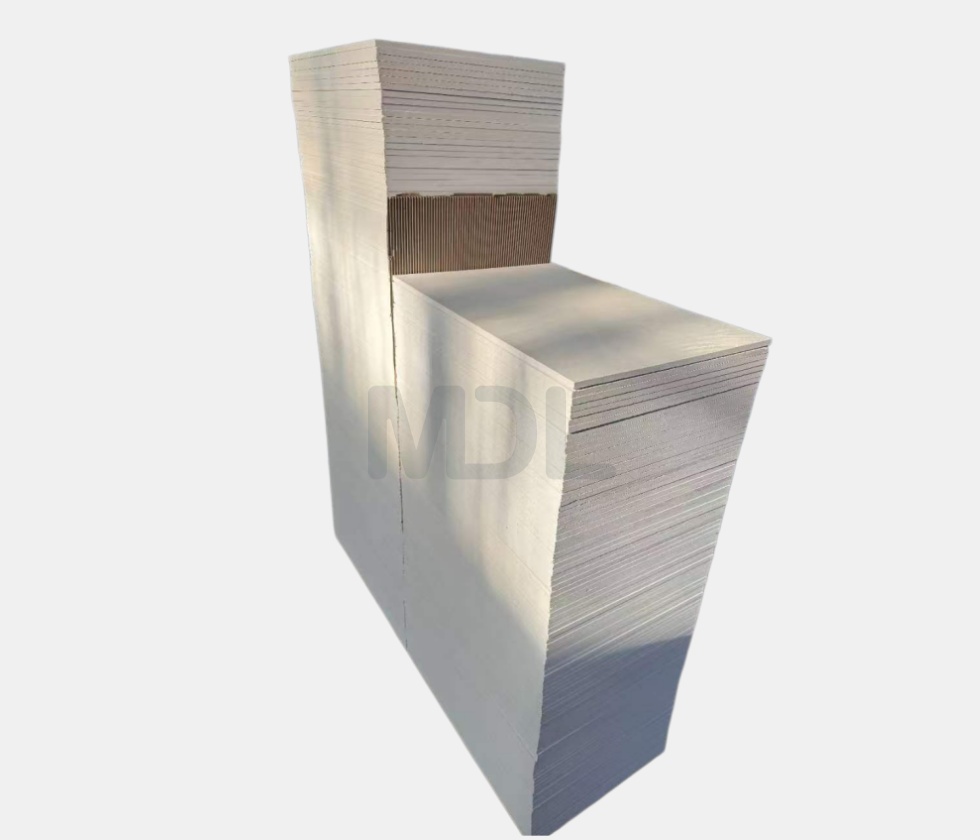
Reinforced calcium silicate board is a rigid material made from a calcium silicate matrix combined with reinforcing fibers. Depending on the formulation, reinforcement may help improve mechanical strength and resistance to cracking.
Different products use different reinforcement systems, including glass fiber and carbon fiber. These materials should not be treated as interchangeable because their mechanical, thermal, and application characteristics may differ.
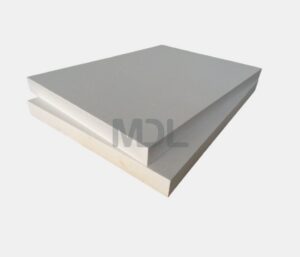
For projects requiring a higher-density material, panneau de silicate de calcium renforcé de fibre de carbone is one option to evaluate for specialized industrial equipment and engineered components.
Key Factors When Selecting Reinforced Calcium Silicate
1. Reinforcement Type
The reinforcement material affects the performance of the finished board. Buyers should confirm whether the product uses carbon fiber, glass fiber, or another reinforcement system and request the corresponding technical data sheet.
2. Densité et résistance mécanique
Density is an important factor when selecting a high density calcium silicate board for industrial applications. However, density alone does not determine strength or suitability. Flexural strength, compressive strength, dimensional stability, and the expected mechanical load should also be considered.
3. Operating Temperature
The appropriate service temperature depends on the product formulation and working environment. Buyers should verify the recommended continuous working temperature, peak temperature, exposure duration, and any temperature-related limitations in the manufacturer’s technical documentation.
4. Dimensions and Machining Requirements
Industrial equipment manufacturers may require specific board thicknesses, cut dimensions, holes, grooves, or other machined features. Providing technical drawings and dimensional tolerances helps the supplier assess manufacturing feasibility and material suitability.
Applications of Reinforced Calcium Silicate Board
Isolation des fours industriels
Reinforced calcium silicate board can be considered for suitable furnace insulation assemblies where a rigid material is required. Selection depends on operating temperature, structural loading, and installation conditions.
En savoir plus sur notre Solutions d'isolation pour fours industriels.
Kilns and Thermal Processing Equipment
Selected reinforced calcium silicate grades may be incorporated into suitable kiln structures, thermal barriers, and equipment insulation systems. The material must meet the project’s thermal and mechanical requirements.
Metal Processing Equipment
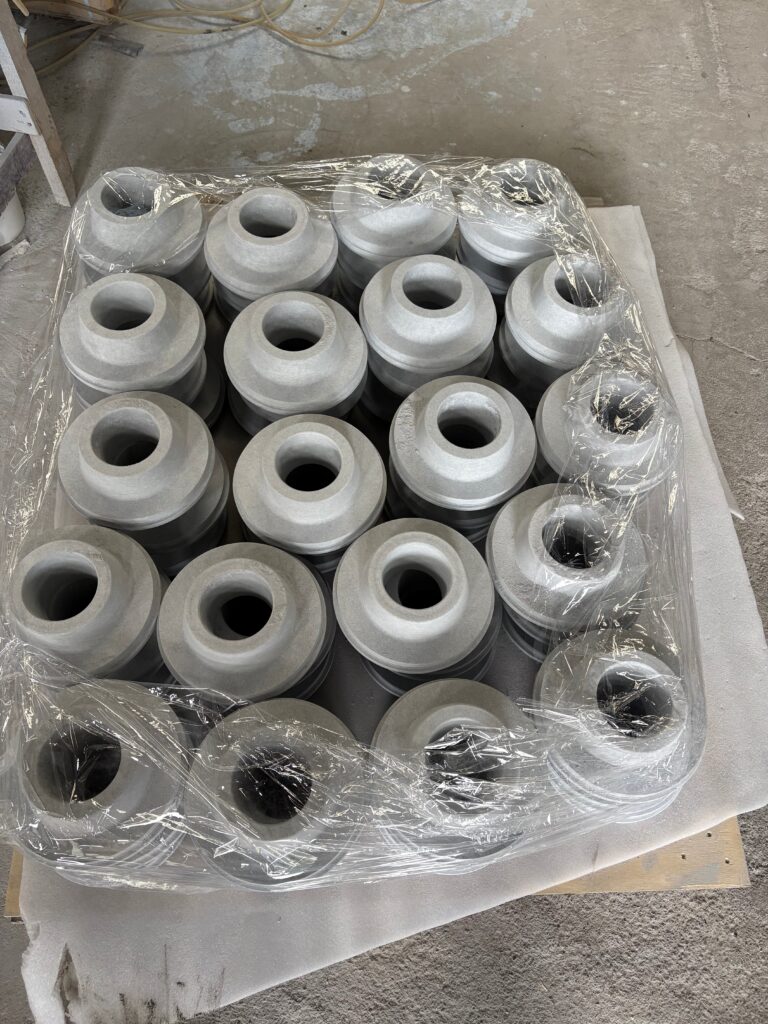
Carbon fiber reinforced calcium silicate components may be considered for specialized metal-processing equipment. Applications involving direct contact with molten aluminum or other molten metals require additional verification of non-wetting performance, chemical compatibility, and thermal shock resistance.
Custom Industrial Components
For equipment manufacturers and engineering contractors, reinforced calcium silicate boards may be processed into plates, blocks, supports, and other components, subject to material properties and machining capabilities.
Mindelun Carbon Fiber Reinforced Calcium Silicate Board
Mindelun supplies carbon fiber reinforced calcium silicate board for selected industrial applications requiring rigid, high-density materials.
The specified product range includes:
- Densité : 750–850 kg/m³
- Épaisseur : 20–120 mm
- Standard board size: 2440 × 1200 mm
- Personnalisation : Subject to technical requirements and production feasibility
These specifications provide a starting point for project evaluation. Actual service temperature, mechanical properties, thermal conductivity, and application suitability should be confirmed using the applicable product technical data sheet.
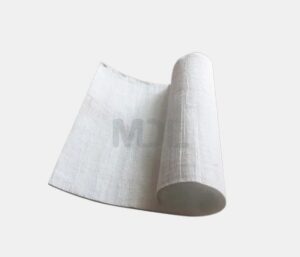
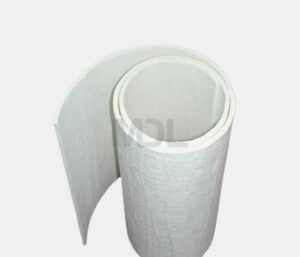
For alternative insulation formats, explore our Panneau en fibre céramique et Couverture en fibre céramique.
How to Source Reinforced Calcium Silicate from a Supplier
When contacting a reinforced calcium silicate board supplier, industrial buyers should provide the following information:
- Required reinforcement type and density
- Board thickness and overall dimensions
- Températures de fonctionnement normales et maximales
- Mechanical loading and installation conditions
- Required machining details and dimensional tolerances
- Order quantity and delivery requirements
Providing these details helps the supplier evaluate the appropriate grade and prepare a more accurate quotation.
Conclusion
Reinforced calcium silicate offers an option for industrial projects requiring rigid insulation materials and engineered components. Selecting the correct reinforcement type, density, dimensions, and temperature grade is essential to achieving reliable performance.
Mindelun supports industrial buyers, distributors, and equipment manufacturers with carbon fiber reinforced calcium silicate board and a range of thermal insulation materials. Contactez notre équipe with your technical requirements to discuss product specifications and supply options.
 French
 English
 Arabic
 German
 Spanish
 Portuguese
 Russian
 Indonesian