How Isolierung aus Keramikfasern Helps Reduce Heat Loss in Industrial Production
Energy efficiency is an important consideration in industrial production, especially for high-temperature equipment such as industrial furnaces, kilns, pipelines, and heating systems. Isolierung aus Keramikfasern is widely used in these applications because of its low thermal conductivity, low heat storage capacity, lightweight structure, and excellent thermal resistance.
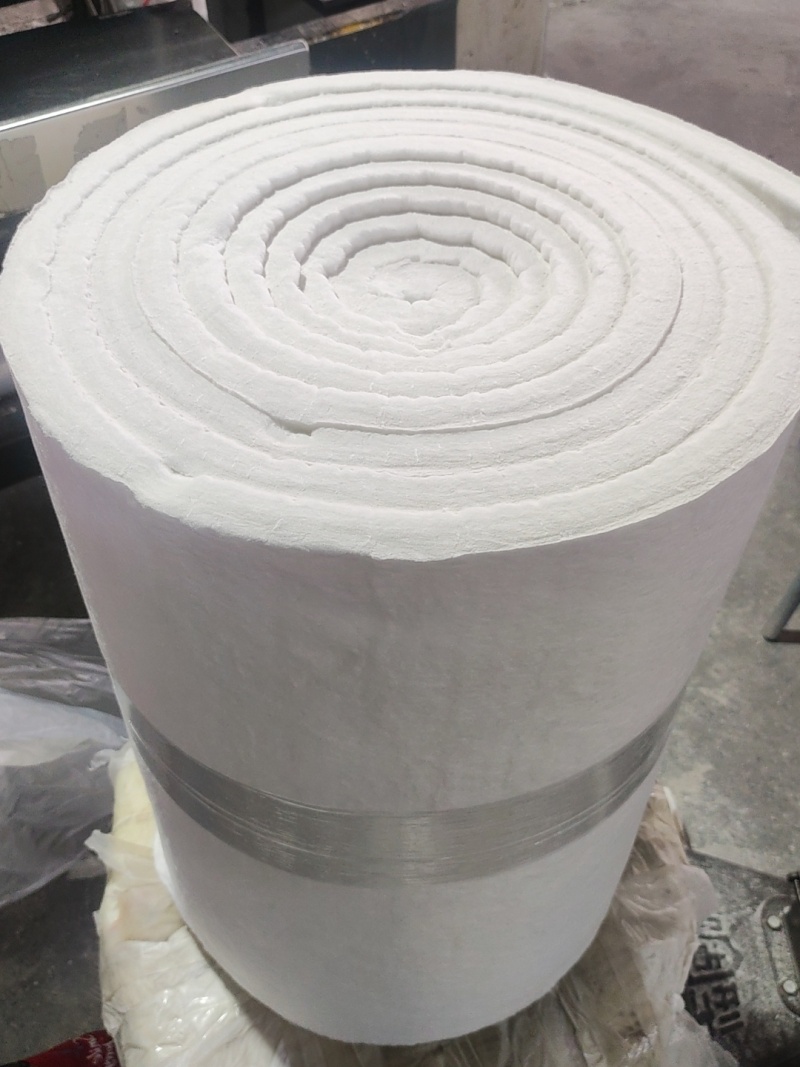
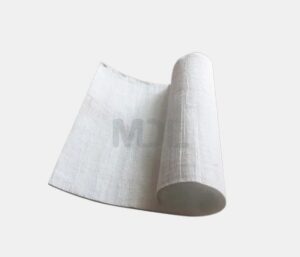
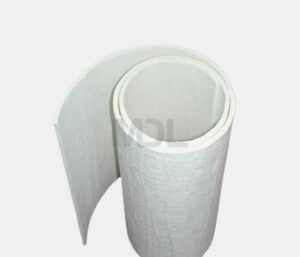
For industrial users looking to reduce heat loss and improve thermal efficiency, properly selected and installed Keramikfasermatten and other ceramic fiber products can provide an effective insulation solution.
Why Does Ceramic Fiber Insulation Save Energy?
The energy-saving performance of ceramic fiber insulation mainly comes from three characteristics: low thermal conductivity, low heat storage, and effective thermal sealing.
The fine fibers form a lightweight structure containing numerous small air spaces, which helps reduce heat transfer through the insulation layer. Compared with traditional heavy refractory materials, ceramic fiber products have a much lower heat capacity, allowing furnaces and thermal equipment to heat up and cool down more quickly.
This makes ceramic fiber insulation blankets particularly suitable for equipment that operates intermittently or requires frequent heating and cooling cycles.
1. Furnace Lining for Lower Heat Storage
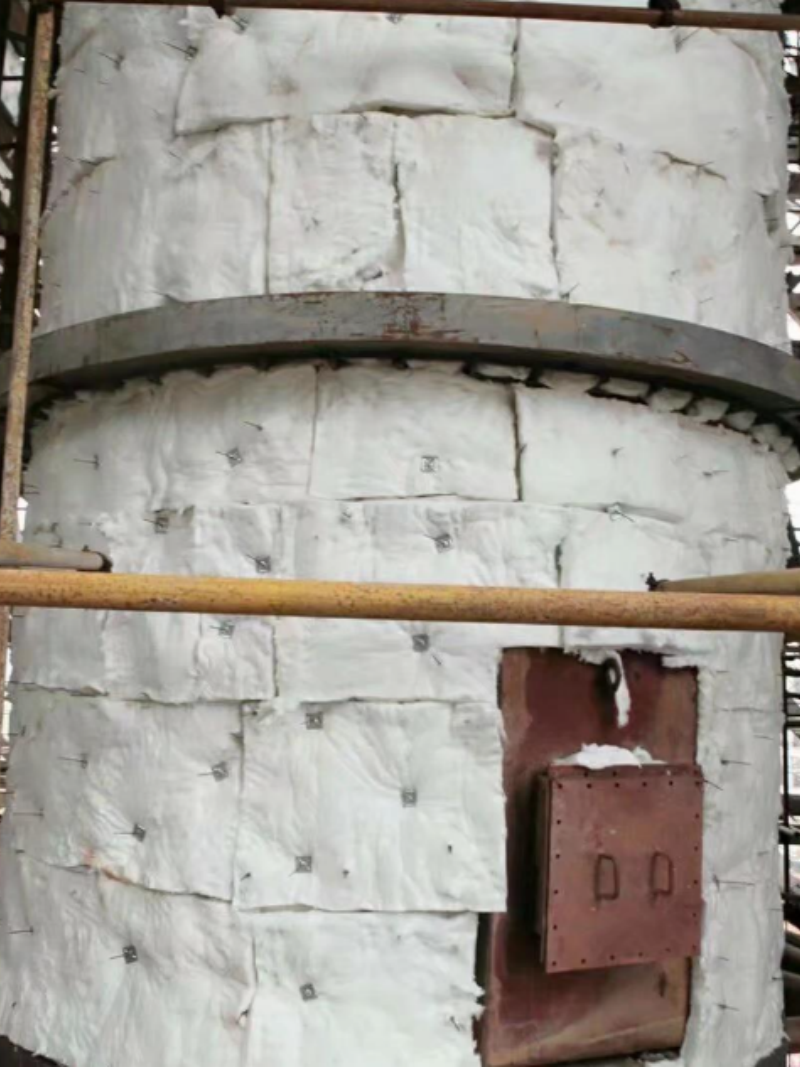
One of the most common applications of Isolierung aus Keramikfasern is as an insulation layer in industrial furnaces and kilns.
Compared with traditional refractory brick linings, ceramic fiber products are lightweight and have much lower heat storage capacity. Less energy is absorbed by the furnace lining during heating, allowing more thermal energy to be used for the actual production process.
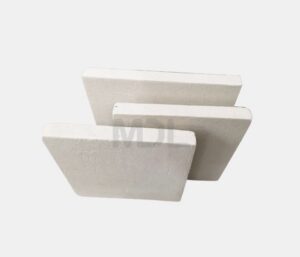
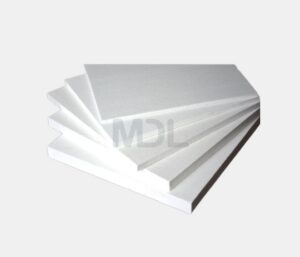
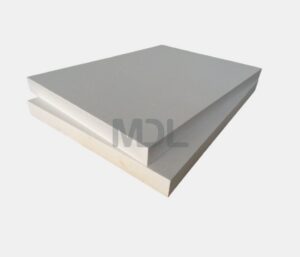
Keramikfasermatte, ceramic fiber board, and ceramic fiber modules can be selected according to furnace temperature, structure, and installation requirements.
This is particularly useful for batch furnaces, heat-treatment equipment, ceramic kilns, and other industrial systems with frequent heating and cooling cycles.
2. Sealing Gaps to Reduce Heat Leakage
Heat can escape through expansion joints, furnace doors, gaps around metal components, and other connection areas.
Ceramic fiber bulk, paper, blanket, and other flexible products can be used to fill or seal these areas. Proper sealing helps reduce unwanted heat leakage and can also improve furnace atmosphere control.
For projects requiring flexible installation, Keramikfasermatten are commonly used because they can be easily cut, shaped, and installed around irregular surfaces.
3. Insulating High-Temperature Pipes and Equipment
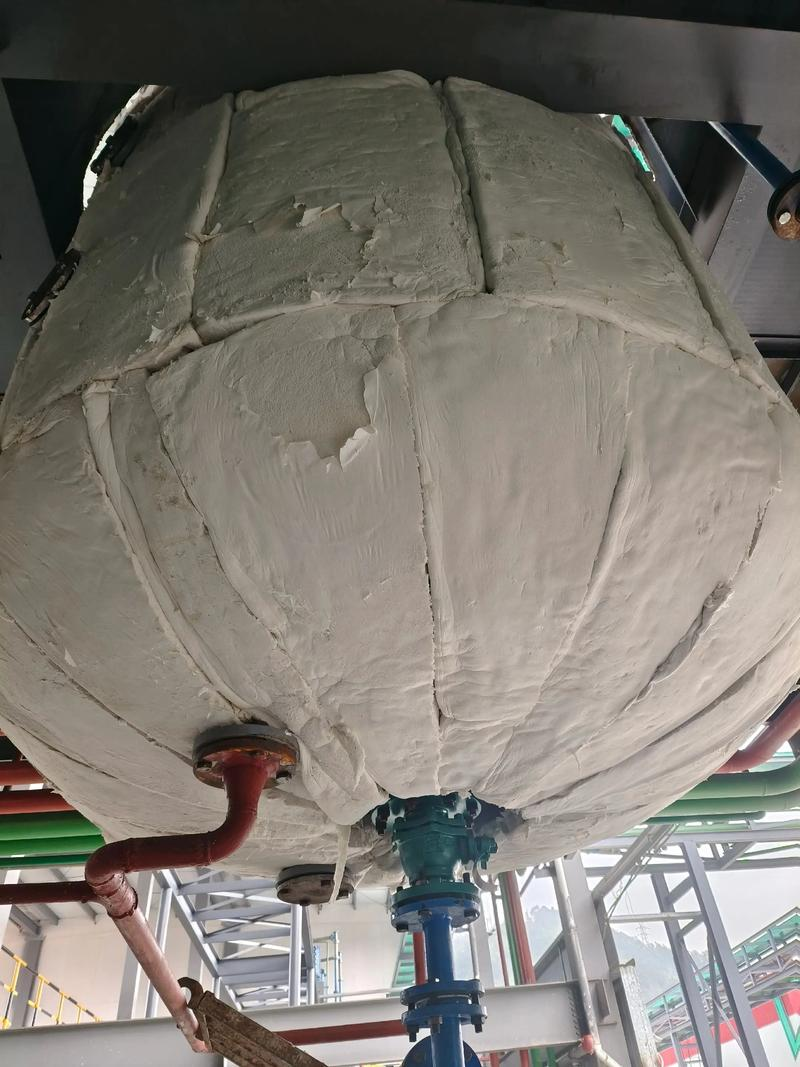
High-temperature pipelines, vessels, heating equipment, and other thermal systems can lose significant amounts of heat through their external surfaces.
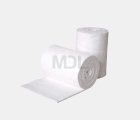
Installing ceramic fiber insulation blankets around suitable high-temperature equipment can reduce surface heat loss and help maintain the required operating temperature.
Depending on the application, ceramic blanket, ceramic fiber board, or other insulation products can be combined to create a suitable multilayer insulation system.
Besides improving thermal efficiency, proper insulation can also reduce the external surface temperature of equipment and provide additional protection for operators.
4. Combining Insulation Materials for Better Thermal Performance
For some industrial applications, a single insulation material may not provide the required thermal performance. A multilayer insulation structure can therefore be designed according to operating temperature, heat-loss requirements, equipment structure, and installation conditions.
For example, Keramikfasermatten can be combined with ceramic fiber board, calcium silicate, or other insulation materials to create a customized thermal insulation system.
The selection of facing materials, surface protection, and installation structure should also be considered when designing insulation for specific industrial equipment.
How to Select the Right Ceramic Fiber Insulation
The performance of an insulation system depends not only on the material itself but also on correct product selection and installation.
When choosing a ceramic fiber insulation blanket, consider the following factors:
- Betriebstemperatur: Select a suitable ceramic fiber grade according to the actual working temperature and provide an appropriate safety margin.
- Dicke: Select the insulation thickness according to the required thermal performance and available installation space.
- Dichte: The appropriate density should be selected according to the application, mechanical requirements, and thermal conditions.
- Installation method: Consider whether the product will be installed as a furnace lining, pipe insulation, equipment insulation, or sealing material.
- Surface protection: For applications exposed to airflow, mechanical wear, or other environmental conditions, suitable surface protection may be required.
Correct installation is equally important. Excessive compression, insufficient fixing, improper joints, or inadequate surface sealing can reduce the long-term performance of the insulation system.
Choosing a Reliable Ceramic Fiber Blanket Supplier
For industrial projects, working with an experienced ceramic fiber blanket supplier can make product selection and project sourcing easier.
Mindelun liefert ceramic fiber blanket, ceramic fiber insulation blanket, ceramic fiber board, ceramic fiber modules, ceramic fiber paper, ceramic fiber cloth, and other high-temperature insulation products.
Als Fachmann ceramic fiber blanket supplier and manufacturer, Mindelun can provide different grades, densities, thicknesses, sizes, and customized insulation solutions according to furnace design, operating temperature, equipment structure, and project requirements.
Fazit
The main energy-saving advantages of Isolierung aus Keramikfasern come from its low thermal conductivity, low heat storage capacity, lightweight structure, and ability to provide effective thermal insulation and sealing.
From furnace linings and high-temperature pipelines to industrial equipment and thermal processing systems, ceramic fiber blankets, ceramic blanket insulation, and other ceramic fiber products can help reduce heat loss and improve thermal efficiency when correctly selected and installed.
Auf der Suche nach einem zuverlässigen ceramic fiber blanket supplier or customized insulation materials for your industrial project? Feel free to contact Mindelun for product selection, technical support, OEM services, and factory-direct supply.
 German
 English
 Arabic
 French
 Spanish
 Portuguese
 Russian
 Indonesian