
أين تُستخدم ألواح سيليكات الكالسيوم؟ 5 استخدامات شائعة
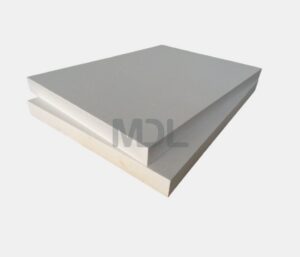
Calcium silicate board is widely used in industrial insulation, building construction, and fire protection. Its rigid structure, thermal insulation properties, and fire resistance make it a practical material for applications requiring stable and durable insulation.
From industrial boilers to building partitions, calcium silicate board serves different purposes depending on its density, thickness, and product grade.
1. عزل المعدات الصناعية
Industrial thermal insulation is one of the most common applications of calcium silicate board. It is used in boilers, furnaces, steam pipelines, and other high-temperature equipment.
Its rigid structure provides dimensional stability and helps reduce heat loss. It is particularly suitable for equipment that requires shaped insulation boards rather than flexible materials.
For industrial furnace projects, different insulation materials can be selected according to operating temperature and equipment structure. Learn more about حلول عزل الأفران الصناعية.
2. Fire Protection Systems
Calcium silicate board is widely used in passive fire protection because of its non-combustible properties. Typical applications include:
- Fire-resistant walls and partitions
- Ceiling protection systems
- Protective enclosures
- Fire-resistant building structures
The actual fire-resistance performance depends on board thickness, density, installation method, and the tested building system.
3. Building and Construction
In building projects, calcium silicate board is used for interior walls, ceilings, partitions, and other construction applications.
Compared with some conventional board materials, it offers good dimensional stability and fire resistance. It can also be cut and processed to meet different construction requirements.
4. Shipbuilding and Marine Applications
Calcium silicate board can also be used in selected marine insulation and fire protection systems, including partitions and equipment protection.
However, marine applications require careful consideration of moisture exposure, fire certification, installation conditions, and applicable industry standards.
5. Industrial Fire and Heat Protection
In industrial facilities, calcium silicate board can provide rigid protection around selected equipment and structures exposed to heat.
Depending on the application, it may be used together with other refractory insulation materials. For example, ألواح الألياف الخزفية are commonly used in furnace linings and other high-temperature insulation systems. Flexible بطانيات من الألياف الخزفية can also be used for furnace walls, pipes, and irregular surfaces.
Calcium Silicate Board vs. Other Insulation Materials
Different insulation materials have different advantages and application conditions.
| Material | الخصائص الرئيسية | Common Applications |
|---|---|---|
| لوح سيليكات الكالسيوم | Rigid, good mechanical strength | Equipment insulation, fire protection |
| لوح من الألياف الخزفية | Lightweight, high-temperature resistance | Furnace linings, hot-face insulation |
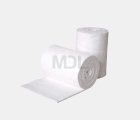
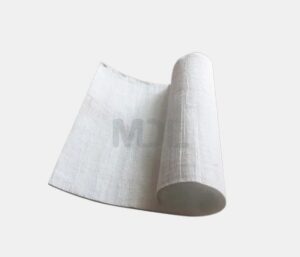
| بطانية من الألياف الخزفية | Flexible, lightweight | Furnace walls, pipes, irregular surfaces |
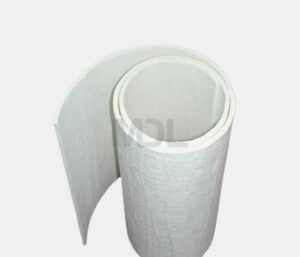
| ورق الألياف الخزفية | Thin, flexible, easy to cut | Gaskets, seals, thermal insulation |
For applications requiring thin insulation or sealing materials, explore ورق الألياف الخزفية.
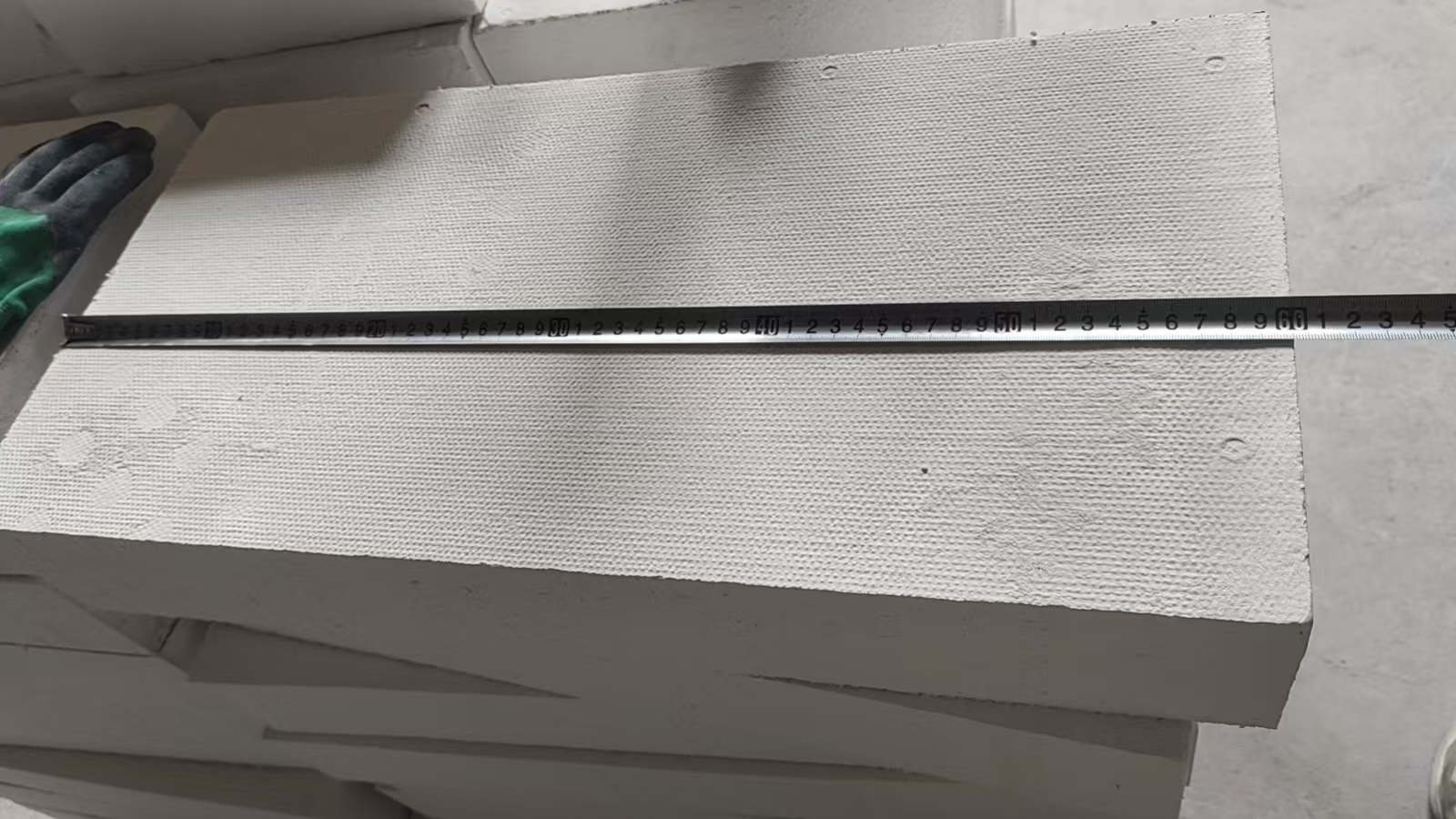
What Should Be Considered When Selecting لوح سيليكات الكالسيوم?
Before choosing calcium silicate board, several factors should be evaluated:
- درجة الحرارة: Confirm the actual operating temperature and suitable product grade.
- الكثافة والمتانة: Match mechanical performance to the installation requirements.
- السماكة: Select the appropriate thickness according to insulation needs.
- التعرض للرطوبة: Consider whether additional moisture protection is necessary.
- Application Standards: Check relevant fire-resistance and industrial requirements.
Not all calcium silicate boards have the same properties. Technical specifications should always be checked before application.
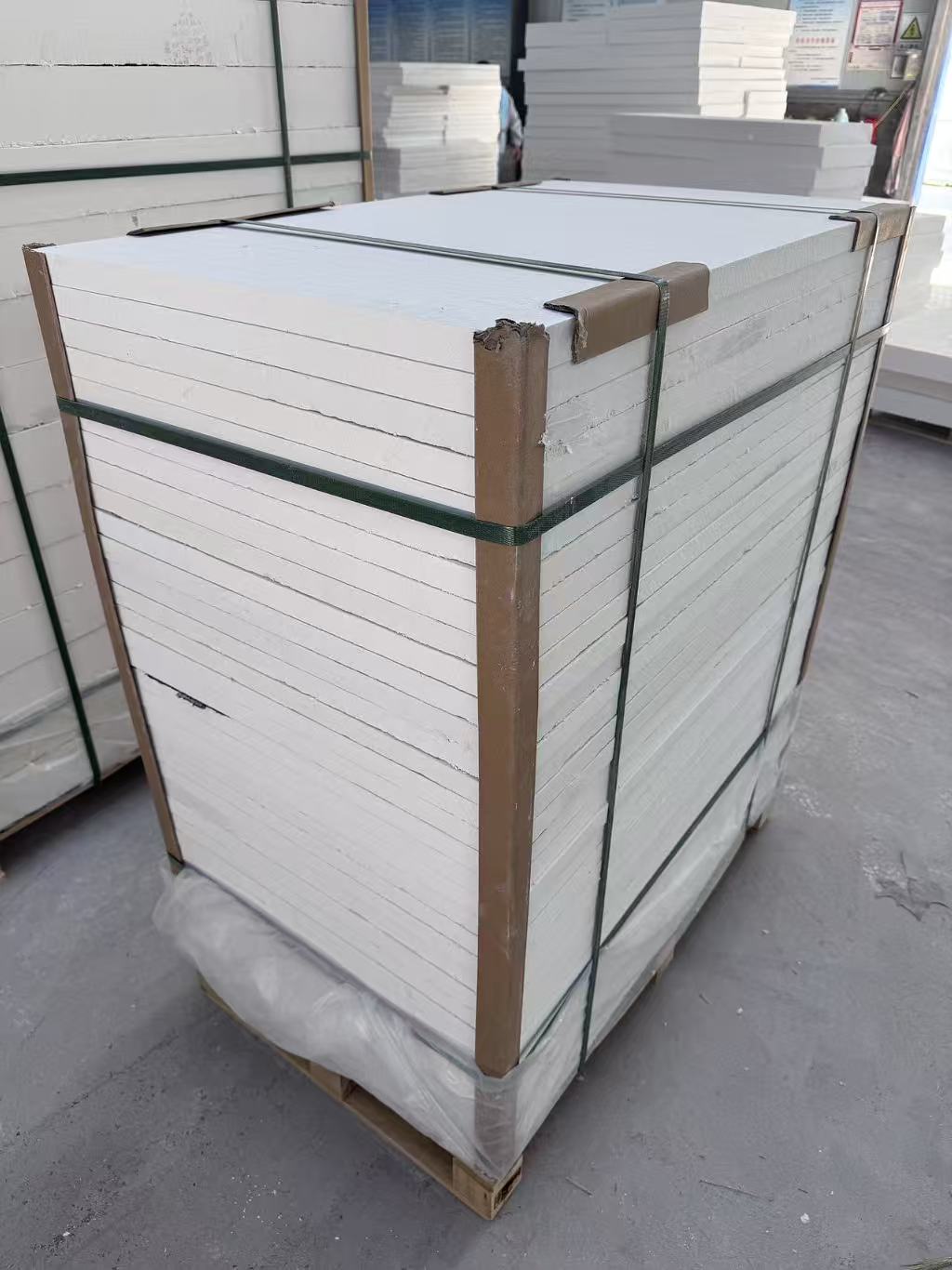
الخلاصة
Calcium silicate board plays an important role in industrial insulation, building construction, and fire protection. Its rigid structure and fire-resistant properties make it suitable for a wide range of applications.
Understanding the working environment and material requirements is essential for selecting the right insulation solution.
 Arabic
 English
 French
 German
 Spanish
 Portuguese
 Russian
 Indonesian