العزل بالألياف الخزفية: الخصائص والتطبيقات وكيفية اختيار بطانية الألياف الخزفية المناسبة
Ceramic fiber insulation is widely used in industrial high-temperature applications due to its excellent thermal insulation performance, lightweight structure, and flexibility. Among various refractory insulation materials, ceramic fiber blanket is one of the most popular solutions for industrial furnaces, kilns, boilers, and petrochemical equipment.
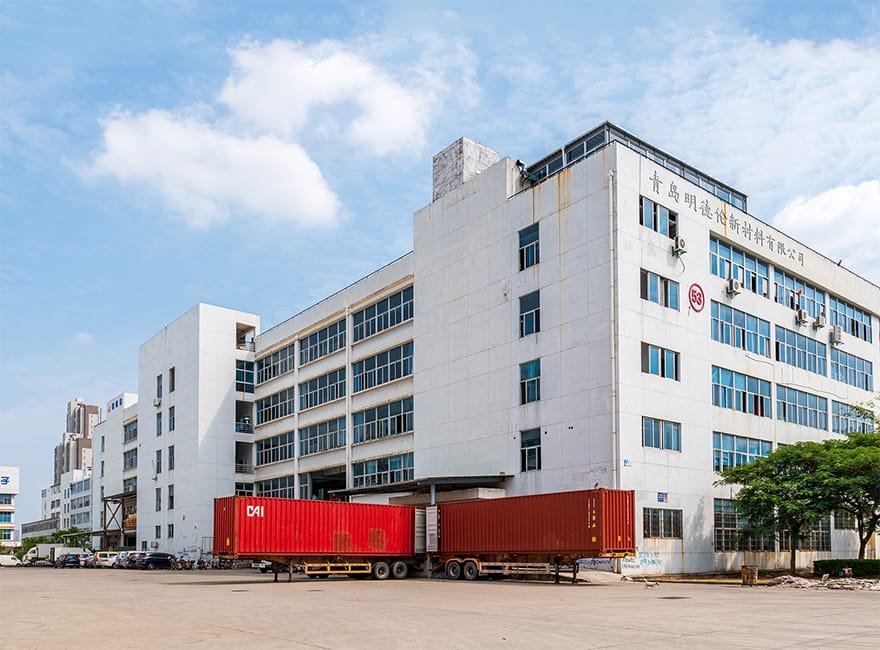
As a professional ceramic fiber blanket manufacturer and supplier, Mindelun provides high-temperature ceramic insulation products in different temperature grades, densities, and thicknesses. Our products help industrial customers reduce heat loss, improve energy efficiency, and optimize insulation costs.
1. What Is Ceramic Fiber Blanket Insulation?
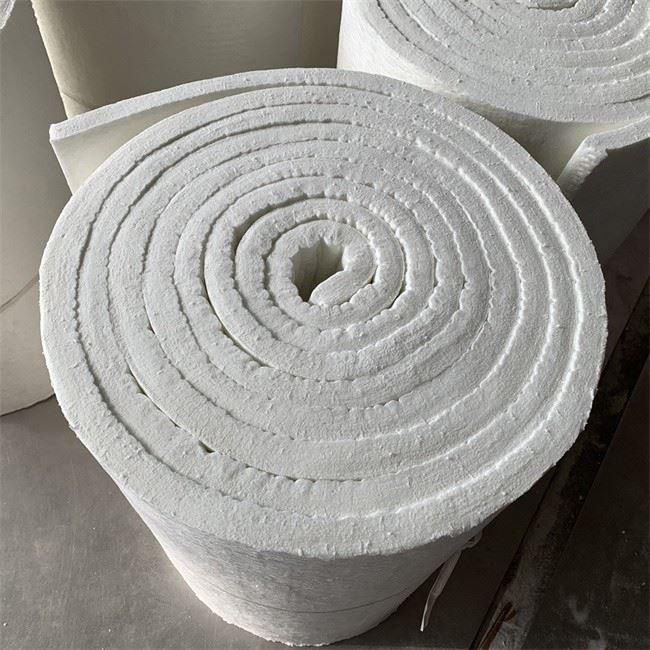
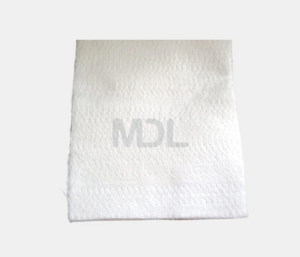
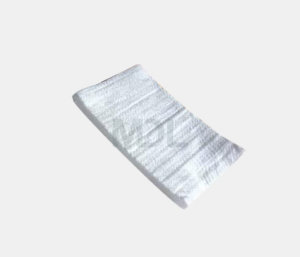
A ceramic fiber blanket is a lightweight and flexible thermal insulation material made from alumina-silica fibers. It is produced through a spinning or blowing process and reinforced by mechanical needling to create a uniform, resilient fiber structure.
Unlike traditional refractory bricks and rigid insulation materials, ceramic insulation blankets are easy to cut, wrap, and install around irregular surfaces. They are widely used as furnace linings, backup insulation, and thermal protection materials.
The main advantages of ceramic fiber insulation include:
- مقاومة درجات الحرارة العالية: Available in different temperature grades for industrial heating applications.
- موصلية حرارية منخفضة: Helps reduce heat transfer and energy consumption.
- Lightweight structure: Reduces the overall weight and heat storage of furnace linings.
- مقاومة الصدمات الحرارية: Suitable for equipment exposed to repeated heating and cooling cycles.
- تركيب مرن: Easy to cut, wrap, and fit around complex equipment.
- Easy maintenance: Damaged insulation sections can be repaired or replaced relatively easily.
These properties make ceramic fiber blanket insulation an effective solution for industrial thermal management.
2. Types and Specifications of Ceramic Fiber Blanket
Ceramic fiber blankets are available in different grades according to fiber composition, manufacturing process, and temperature classification.
Common types include standard, high-purity, high-alumina, and zirconia-containing ceramic fiber blankets. The appropriate grade depends on the operating temperature, atmosphere, and insulation requirements.
Typical Ceramic Fiber Blanket Specifications
| العنصر | Available Specifications |
|---|---|
| درجة حرارة التصنيف | 1050°C / 1260°C / 1400°C / 1430°C |
| الكثافة | 64 / 96 / 128 kg/m³ |
| السماكة | 12.5 / 25 / 50 mm |
| العرض | 610 / 1220 mm |
| الطول | مُصمَّم حسب الطلب |
| اللون | أبيض |
| عملية التصنيع | Spinning or blowing |
| التعزيز | Mechanical needling |
Note: Actual specifications depend on the product grade and manufacturing process. Classification temperature should not be confused with the recommended continuous operating temperature. Actual service temperature depends on chemical composition, operating atmosphere, heat load, and application conditions.
How to Choose the Right Ceramic Fiber Blanket Density?
Density is an important factor when selecting a ceramic blanket. Common options include 64, 96, and 128 kg/m³.
- 64 kg/m³: A lightweight option for applications with relatively low mechanical requirements.
- 96 kg/m³: A balanced choice for general industrial thermal insulation.
- 128 kg/m³: Commonly selected for furnace linings and applications requiring better handling strength and dimensional stability.
Higher density does not always mean better insulation performance. The correct density should be selected according to operating conditions, thermal requirements, installation structure, and budget.
3. Main Applications of Ceramic Fiber Insulation
Ceramic fiber blanket is widely used in industries that require reliable high-temperature insulation and energy efficiency.
الأفران الصناعية
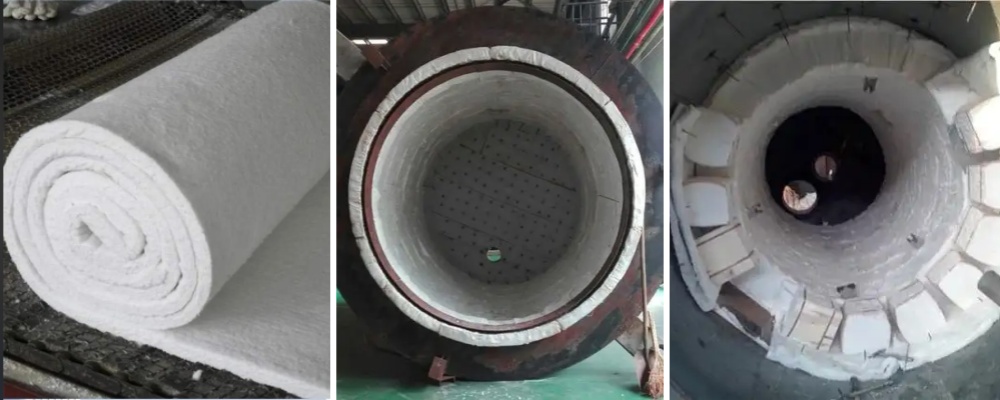
Ceramic fiber blankets are commonly installed in furnace walls, roofs, doors, and backup insulation layers. Their lightweight structure helps reduce furnace heat storage and shorten heating and cooling cycles.
تعرف على المزيد عن حلول عزل الأفران الصناعية.
صناعة البتروكيماويات
In petrochemical plants, ceramic insulation blankets are used for heaters, reactors, pipelines, and other high-temperature equipment. They help minimize heat loss and maintain stable operating temperatures.
توليد الطاقة
Ceramic fiber insulation is suitable for boilers, steam pipelines, ducts, and other thermal equipment in power plants, helping improve thermal efficiency and reduce energy loss.
Steel and Metallurgical Industry
Ceramic fiber blankets are used in heat treatment furnaces, annealing furnaces, and other high-temperature equipment where thermal stability and efficient insulation are essential.
Fire Protection and Thermal Barriers
Ceramic fiber blanket can also be used in certain fire-resistant assemblies, fire doors, and thermal barriers, subject to the required fire testing, certification, and system design.
4. How to Choose a Suitable Ceramic Fiber Blanket for Your Application?
Choosing the right ceramic fiber blanket is essential for achieving reliable insulation performance and controlling purchasing costs. Before placing an order, industrial buyers should consider the following factors.
1. Determine the Operating Temperature
Temperature is the first factor to consider.
Buyers should identify both the normal operating temperature and the maximum temperature during production. Different ceramic fiber blanket grades are designed for different temperature ranges.
Do not select a product based only on its classification temperature. Continuous service temperature, temperature fluctuations, and the actual furnace atmosphere must also be considered.
2. Select the Appropriate Density
Density affects the blanket’s weight, handling strength, and insulation structure.
For general industrial applications, 96 kg/m³ and 128 kg/m³ are common choices. Higher density blankets may provide better handling strength and dimensional stability in suitable applications.
However, the best density depends on the actual installation conditions rather than density alone.
3. Choose the Correct Thickness
Thickness directly affects thermal resistance and the space required for installation.
Common ceramic fiber blanket thicknesses include 12.5 mm, 25 mm, and 50 mm.
For applications requiring greater insulation performance, multiple layers can be installed to achieve the required total insulation thickness.
The final thickness should be determined according to heat loss calculations, surface temperature requirements, and available installation space.
4. Consider the Installation Environment
Different working environments require different insulation solutions.
- Furnace walls and roofs: Require suitable thermal stability and reliable fixing systems.
- Industrial pipelines: Flexible blankets can be wrapped around curved surfaces and pipes.
- High gas velocity areas: May require protective layers or additional fixing systems to prevent fiber erosion.
- Chemical exposure environments: Require consideration of fiber compatibility with the operating atmosphere.
Understanding the installation environment helps avoid selecting unsuitable insulation materials.
5. Compare Thermal Conductivity and Shrinkage
When comparing ceramic fiber blanket suppliers, buyers should request technical data sheets and pay attention to:
- Thermal conductivity at different mean temperatures.
- Linear shrinkage under specified test conditions.
- Density and dimensional tolerances.
- Fiber composition and classification temperature.
These parameters help evaluate the insulation performance and dimensional stability of different products.
6. Choose a Reliable Ceramic Fiber Blanket Manufacturer
A reliable ceramic fiber blanket manufacturer should provide consistent product quality, accurate technical specifications, professional support, and stable delivery.
For distributors, contractors, and industrial end users, customized dimensions, OEM packaging, private labeling, and mixed-container loading can also help reduce purchasing and logistics costs.
Before placing a bulk order, buyers are encouraged to confirm product specifications, request samples when necessary, and review the manufacturer’s quality control procedures.
5. Why Choose Mindelun Ceramic Fiber Blanket?
Mindelun specializes in manufacturing and supplying ceramic fiber insulation materials for global industrial customers.
Our ceramic fiber blanket products are available in different temperature grades, densities, and thicknesses to meet various industrial insulation requirements.
Our Advantages:
- Multiple Temperature Grades: Ceramic fiber blanket options for different industrial temperature requirements, including 1050°C and 1260°C products.
- مواصفات مرنة: Common densities of 64, 96, and 128 kg/m³, with customized thicknesses and dimensions.
- مراقبة الجودة: Strict production and quality inspection procedures to ensure consistent product specifications.
- خدمات تصنيع المعدات الأصلية (OEM) وتصميم وتصنيع المنتجات (ODM): Customized packaging, product labels, and specifications for distributors and brand owners.
- التوريد المباشر من المصنع: Competitive pricing for wholesalers, contractors, and industrial buyers.
- Flexible Export Packaging: Support for samples, small orders, customized packing, and full-container shipments.
استكشف Ceramic Fiber Blanket Products to learn more about available specifications and insulation solutions.
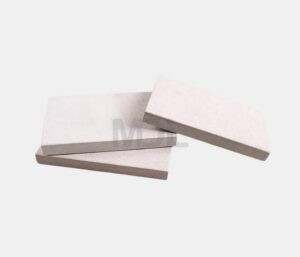
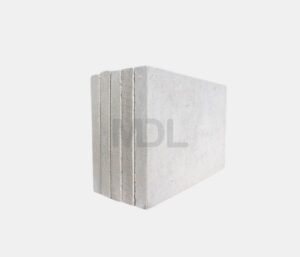
We also supply complementary products such as لوح من الألياف الخزفية و ورق الألياف الخزفية for different industrial insulation requirements.
Whether you need ceramic fiber blanket for furnace lining, pipeline insulation, or industrial thermal protection, Mindelun can provide suitable ceramic insulation solutions according to your project requirements.
6. Frequently Asked Questions About Ceramic Fiber Blanket
Q1: What is the difference between ceramic fiber blanket and ceramic insulation blanket?
These terms generally refer to the same type of flexible insulation product. Ceramic fiber blanket emphasizes its fiber composition, while ceramic insulation blanket highlights its thermal insulation function.
Q2: What density is best for ceramic fiber blanket?
Common densities include 64, 96, and 128 kg/m³. The appropriate density depends on operating temperature, installation conditions, mechanical requirements, and insulation design.
Q3: Can ceramic fiber blanket be used for continuous high-temperature insulation?
Yes. Ceramic fiber blankets are designed for high-temperature applications. However, the recommended continuous operating temperature depends on the specific product grade, atmosphere, and service conditions. Buyers should consult the manufacturer’s technical data before selection.
Q4: Is ceramic fiber blanket suitable for furnace insulation?
Yes. It is widely used for furnace walls, roofs, doors, and backup insulation because of its low thermal conductivity, lightweight structure, and flexibility.
Q5: How do I choose a reliable ceramic fiber blanket supplier?
Check the manufacturer’s production capabilities, technical specifications, quality control, customization options, and export experience. Requesting samples and technical data sheets before placing a bulk order is also recommended.
Q6: Can بطانيات من الألياف الخزفية هل يمكن تخصيصها؟
Yes. Ceramic fiber blankets can be supplied in different densities, thicknesses, widths, lengths, and packaging options according to project requirements. OEM and private-label services may also be available.
الخلاصة
Ceramic fiber insulation plays an important role in modern industrial thermal management. With its lightweight structure, low thermal conductivity, and high-temperature resistance, ceramic fiber blanket provides an effective solution for reducing heat loss and improving industrial energy efficiency.
Selecting the right ceramic insulation blanket requires careful consideration of operating temperature, density, thickness, thermal conductivity, and installation conditions.
As an experienced ceramic fiber blanket manufacturer and supplier, Mindelun is committed to providing reliable high-temperature insulation materials and customized solutions for global distributors, contractors, and industrial customers.
اتصل بـ «مينديلون» today to discuss your ceramic fiber blanket requirements and get a competitive factory-direct quotation.
 Arabic
 English
 French
 German
 Spanish
 Portuguese
 Russian
 Indonesian