
AES مقابل RCF مقابل PCW: أي من ألياف العزل المقاومة للحرارة العالية هي الأفضل لاستخدامك؟
Introduction
Choosing the right high-temperature insulation fiber is important for improving furnace efficiency, reducing heat loss, and extending equipment service life.
AES, RCF, and PCW are three major categories of high-temperature insulation fibers. Although they are all used in industrial thermal insulation, they differ in chemical composition, fiber structure, manufacturing process, temperature capability, and regulatory classification.
For furnace manufacturers, insulation contractors, distributors, and industrial buyers, understanding these differences can help avoid incorrect material selection and unnecessary purchasing costs.
In this guide, Mindelun compares AES, RCF, and PCW fibers, explains their typical applications, and provides practical advice for selecting the right insulation material.
1. What Is AES Fiber?
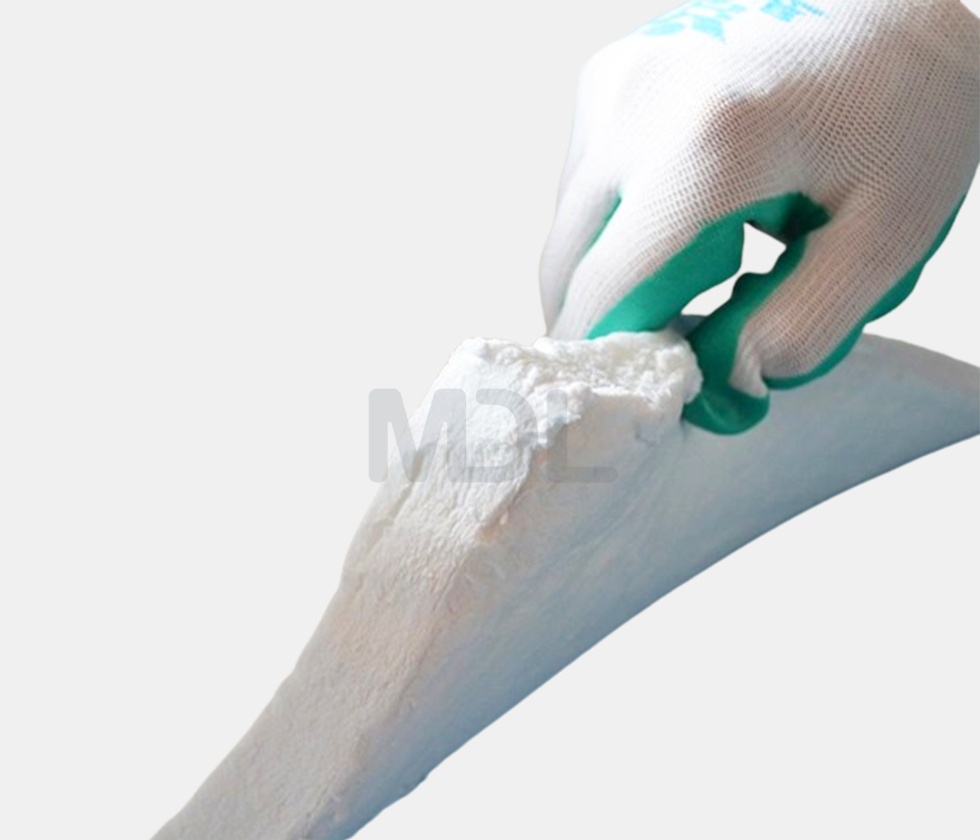
AES stands for Alkaline Earth Silicate fiber. It is an amorphous high-temperature insulation fiber generally manufactured from silica, calcium oxide, and magnesium oxide through a melting and fiber-forming process.
AES fibers are designed to provide good thermal insulation and low biopersistence. Certain AES products can qualify for exemption from carcinogen classification under applicable regulations when they meet the required chemical and toxicological testing criteria.
Main Characteristics:
- موصلية حرارية منخفضة.
- Good thermal stability and insulation performance.
- Low biopersistence for qualifying products.
- هيكل خفيف الوزن ومرن.
- Suitable for selected industrial and domestic heating applications.
Typical Applications:
- Industrial heating equipment.
- Boiler and pipeline insulation.
- Domestic heating appliances.
- Furnace and kiln backup insulation.
- Fire protection systems.
AES fibers are often selected when low-biopersistence characteristics are an important purchasing consideration. However, buyers should always verify the product’s SDS, test documentation, and applicable regulatory status.
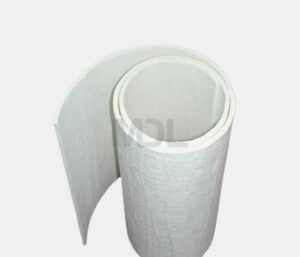
Explore Mindelun’s بطانية من الألياف الخزفية القابلة للذوبان بيولوجيًا for more information about AES insulation products.
2. What Is RCF (Refractory Ceramic Fiber)?
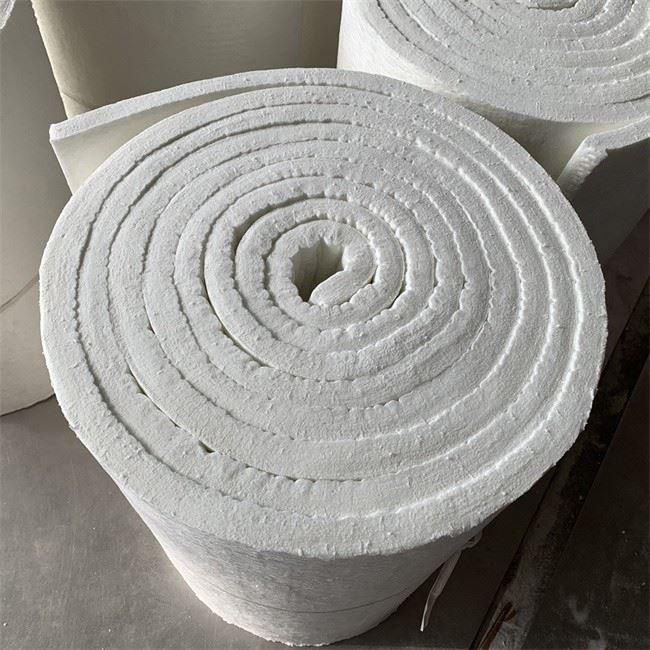
RCF, also known as Refractory Ceramic Fiber or Alumino-Silicate Wool (ASW), is generally manufactured by melting alumina and silica-based raw materials and converting the melt into fibers through blowing or spinning processes.
RCF has been widely used in industrial high-temperature insulation because of its low thermal conductivity, low heat storage, thermal shock resistance, and established manufacturing technology.
Main Characteristics:
- أداء عزل حراري ممتاز.
- Low heat storage and good thermal shock resistance.
- هيكل خفيف الوزن ومرن.
- Good chemical stability in suitable operating environments.
- Available in different temperature grades and product forms.
Typical Applications:
- Industrial furnaces and kilns.
- Steel and metallurgy equipment.
- Petrochemical heating systems.
- Ceramic kilns and heat treatment furnaces.
- Boiler and thermal processing equipment.
- Furnace doors, expansion joints, and backup linings.
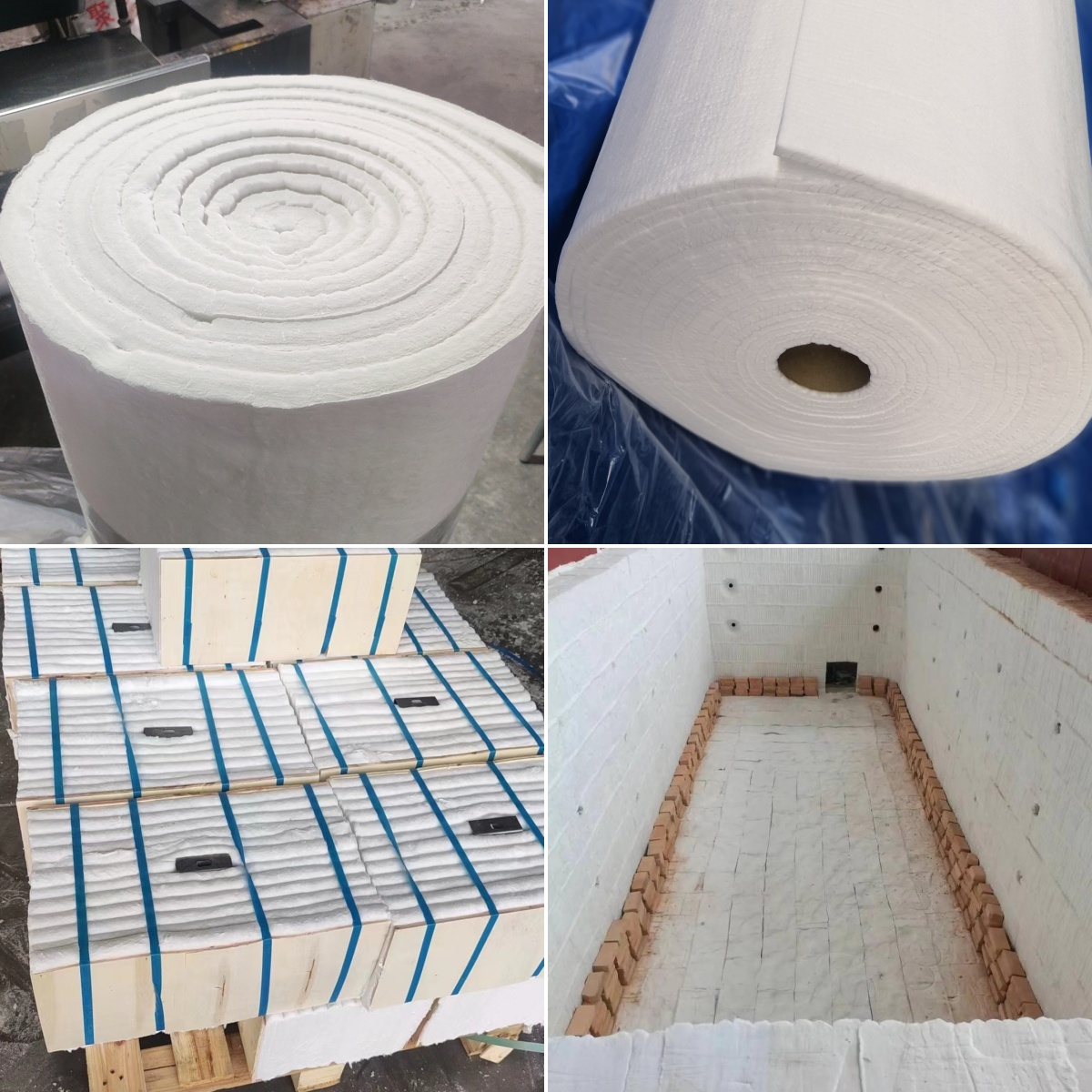
RCF is available in different forms to meet various installation requirements:
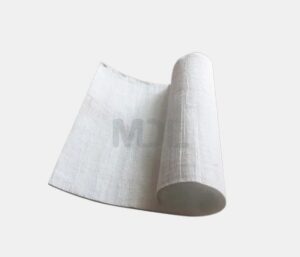
- بطانية من الألياف الخزفية – Flexible insulation for furnace linings and equipment.
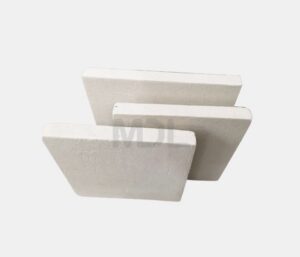
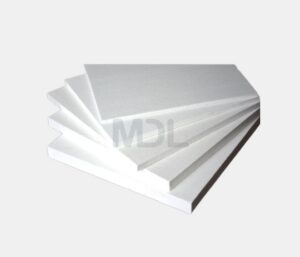
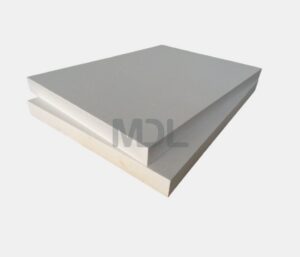
- لوح من الألياف الخزفية – Rigid insulation for furnace walls, doors, and equipment.
- ورق الألياف الخزفية – Thin insulation for gaskets, seals, and thermal barriers.
- وحدات الألياف الخزفية – Prefabricated insulation systems for industrial furnace linings.
Important Safety Consideration:
RCF is classified as a carcinogenic substance under the EU CLP Regulation. Proper handling procedures, dust control, personal protective equipment, and compliance with local occupational safety regulations are essential during installation, maintenance, and removal.
3. What Is PCW (Polycrystalline Wool)?
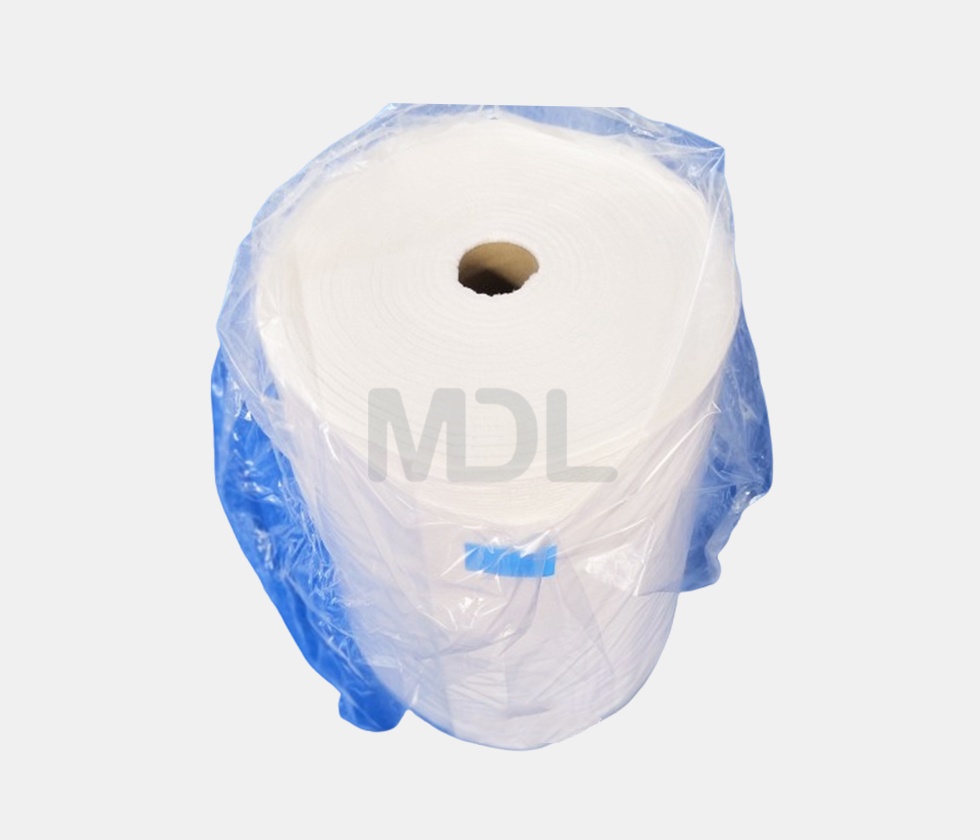
PCW stands for Polycrystalline Wool. It is an advanced high-temperature insulation fiber generally produced through a sol-gel process followed by high-temperature heat treatment.
PCW typically contains a high proportion of alumina, with silica as another major component. Its polycrystalline structure provides excellent thermal stability and makes it suitable for demanding high-temperature applications.
Main Characteristics:
- Excellent high-temperature stability.
- Good dimensional stability at elevated temperatures.
- موصلية حرارية منخفضة.
- High alumina content.
- Suitable for specialized industrial furnace applications.
Typical Applications:
- Glass furnace crowns and regenerators.
- High-temperature industrial furnaces.
- Aluminum melting and holding furnaces.
- Advanced thermal processing equipment.
- Specialized high-temperature engineering applications.
Compared with conventional RCF, PCW is generally considered for applications requiring higher operating temperatures and improved thermal stability.
تقدم شركة «ميندلون» عزل من ألياف الموليت متعددة البلورات for specialized high-temperature applications. Product forms and available temperature grades should be confirmed according to project requirements.
4. AES vs RCF vs PCW: Main Differences
The following table summarizes the general characteristics of these three insulation fiber categories.
| العقارات | AES Fiber | RCF Ceramic Fiber | PCW Fiber |
|---|---|---|---|
| Full Name | Alkaline Earth Silicate | Refractory Ceramic Fiber | الصوف متعدد البلورات |
| التركيب الرئيسي | SiO₂, CaO, MgO | Al₂O₃, SiO₂ | Mainly Al₂O₃ and SiO₂ |
| Fiber Structure | Amorphous | Amorphous | Polycrystalline |
| عملية التصنيع | Melting and fiber formation | Melting and fiber formation | Sol-gel and heat treatment |
| Typical Temperature Range* | 600–1400°C | 800–1400°C | 600–1800°C |
| الميزة الرئيسية | Low biopersistence for qualifying grades | Proven industrial performance and cost-effectiveness | استقرار ممتاز في درجات الحرارة العالية |
| التطبيقات النموذجية | Heating appliances and industrial equipment | Furnaces, kilns, and petrochemical equipment | Specialized high-temperature furnaces |
| Regulatory Considerations | Product-specific assessment | Subject to specific regulatory classification | Product-specific safety assessment |
Temperature ranges are general material-family references, not guaranteed continuous working temperatures. Actual performance depends on product grade, chemical composition, furnace atmosphere, installation design, and operating conditions.
5. Which Insulation Fiber Should You Choose?
There is no single insulation fiber suitable for every industrial application. The right choice depends on operating temperature, furnace atmosphere, service life expectations, safety requirements, and total project cost.
Choose AES Fiber When:
- Low-biopersistence characteristics are an important requirement.
- The selected product meets the required regulatory criteria.
- Operating temperatures are within the manufacturer’s recommended range.
- Lightweight and flexible insulation is needed.
Choose RCF When:
- Conventional industrial furnace insulation is required.
- Good thermal insulation and thermal shock resistance are important.
- A cost-effective and established insulation material is preferred.
- The selected grade meets the actual operating conditions and safety requirements.
Choose PCW When:
- The application involves very high operating temperatures.
- Excellent thermal stability is required.
- Low shrinkage and dimensional stability are important.
- The project requires specialized high-temperature insulation.
For demanding furnace applications, material selection should be based on technical specifications rather than classification temperature alone.
6. Six Factors to Consider Before Purchasing High-Temperature Fiber
Comparing insulation fibers only by their maximum temperature ratings may lead to incorrect purchasing decisions.
Before requesting a quotation, buyers should evaluate the following factors.
1. Actual Operating Temperature
Confirm the normal operating temperature, maximum temperature, and temperature fluctuations. Classification temperature should not be treated as the continuous working temperature.
2. Furnace Atmosphere
Oxidizing, reducing, and chemically aggressive environments may affect insulation performance differently. Check material compatibility with the actual operating atmosphere.
3. Thermal Shrinkage
Permanent linear shrinkage is an important indicator of dimensional stability. Compare test results using the same testing temperature, holding time, and method.
4. Product Density and Structure
Blankets, boards, modules, and bulk fibers have different mechanical and installation characteristics. Select the product form and density according to the insulation design.
5. Safety and Regulatory Requirements
Review the latest SDS, fiber classification, applicable local regulations, and relevant test documentation before purchasing or installing the material.
6. Total Purchasing Cost
The lowest initial price does not always mean the lowest project cost. Consider thermal performance, service life, installation labor, replacement frequency, and transportation expenses.
7. Mindelun High-Temperature Insulation Solutions
Mindelun supplies a range of high-temperature insulation materials for industrial furnaces, kilns, petrochemical equipment, and thermal processing applications.
تشمل مجموعة منتجاتنا ما يلي:
- بطانية من الألياف الخزفية
- لوح من الألياف الخزفية
- ورق الألياف الخزفية
- وحدات الألياف الخزفية
- Biosoluble Ceramic Fiber
- عزل من ألياف الموليت متعددة البلورات
We support industrial distributors, furnace manufacturers, insulation contractors, and project buyers with:
- Different temperature grades and product densities.
- Customized dimensions and product specifications.
- OEM and ODM services.
- Factory-direct supply and export packaging.
- Technical documentation and product selection support.
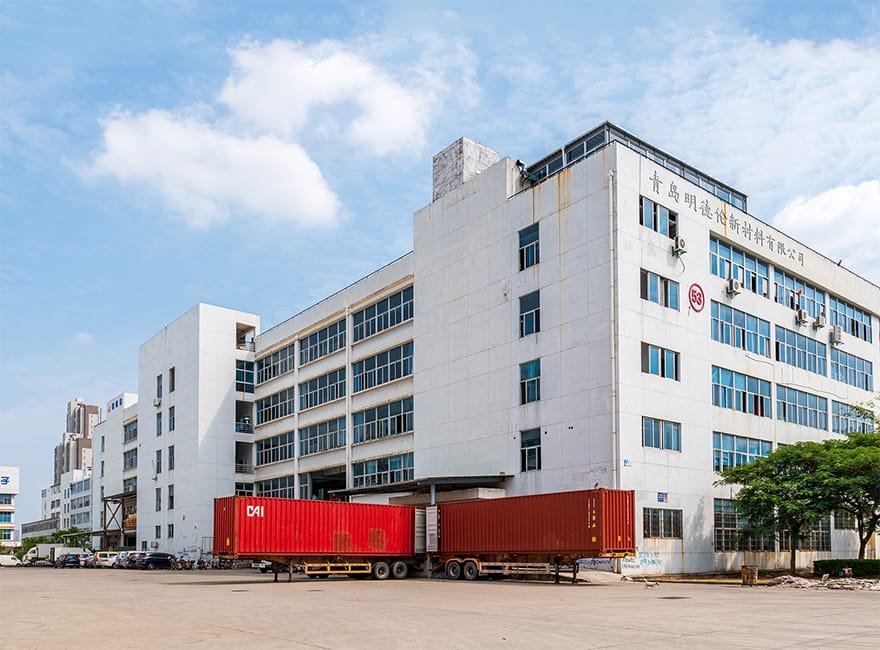
With multiple production lines and customized manufacturing capabilities, Mindelun helps customers source suitable insulation materials for different industrial applications.
استكشف حلول عزل الأفران الصناعية أو اتصل بـ «ميندلون» for product information and quotations.
FAQs About AES, RCF, and PCW Fibers
1. What is the main difference between AES, RCF, and PCW?
The main differences are chemical composition, fiber structure, manufacturing process, temperature capability, and regulatory classification. AES is an alkaline earth silicate fiber, RCF is an alumino-silicate refractory fiber, and PCW is a polycrystalline alumina-silicate fiber.
2. Is PCW better than RCF?
PCW generally offers better thermal stability for very high-temperature applications. However, RCF remains a practical and cost-effective choice for many conventional industrial furnaces. The best option depends on actual operating conditions and project requirements.
3. Is AES fiber safer than RCF?
Certain AES products can qualify for exemption from carcinogen classification under applicable regulations when they meet the required testing criteria. RCF has a different regulatory classification in several markets. Buyers should review the specific product’s SDS and supporting documentation.
4. What is the temperature range of AES, RCF, and PCW?
As general material-family references, AES is commonly used in the 600–1400°C range, RCF in the 800–1400°C range, and PCW in the 600–1800°C range. These ranges do not represent guaranteed continuous operating temperatures for every product.
5. Can RCF be used at 1400°C?
Some RCF products have a classification temperature of 1400°C, but this does not mean they can operate continuously at 1400°C. The recommended working temperature is generally lower and must be confirmed with the manufacturer’s technical datasheet.
6. When should I choose PCW instead of RCF?
PCW is worth considering when the application requires very high-temperature stability, low shrinkage, and reliable performance under demanding thermal conditions. For many conventional industrial furnace linings, RCF may provide a more economical solution.
7. What information is needed to select the right insulation fiber?
The most useful information includes operating temperature, maximum temperature, furnace atmosphere, required product form, density, thickness, installation method, and service life expectations.
اتصل بـ «مينديلون»
Looking for reliable high-temperature insulation materials for your industrial project?
Contact Mindelun to discuss your application and find a suitable insulation solution.
 Arabic
 English
 French
 German
 Spanish
 Portuguese
 Russian
 Indonesian